By Jessica Lien
Growing up in Turkey, Ece Demir-Lira had a front row seat to her mother’s elementary classroom. For 35 years, her mother taught the same groups of children from first through fifth grades, and Demir-Lira would see those cohorts again even as a high schooler. Watching the same children over many years—some racing ahead, others quietly falling behind—planted the question that still drives her work.
By age 13, she was already telling people she wanted to be a psychologist “to understand why kids differ,” a conviction shaped by hearing her mother puzzle over students who were clearly bright but struggled with academics. Later, as a psychology student, she helped her mother recognize one such child’s dyslexia, opening the door to support that changed his academic path.
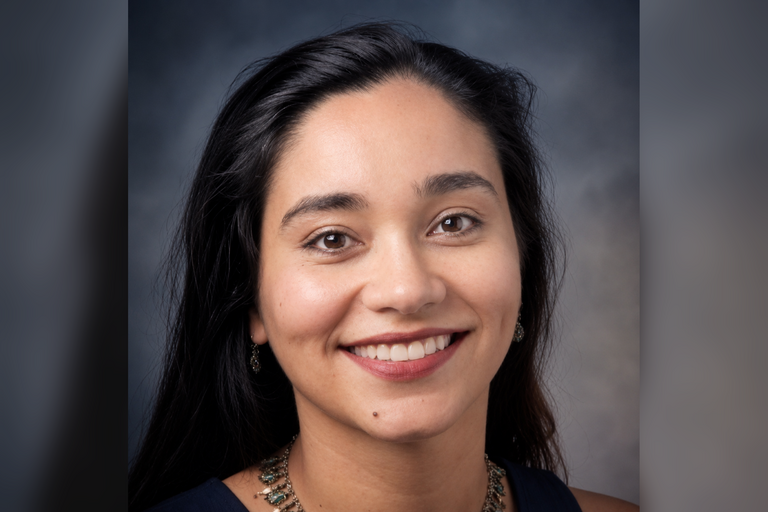
As an assistant professor in the Department of Psychological and Brain Sciences, Demir-Lira’s research extends that classroom mystery into the lab and the brain scanner, asking at scale what her mother once asked about individual students: what is happening in children’s environments and brains that explains these very different trajectories?
Choosing the right approach
Demir-Lira resists a simple equation in which the solution is that more parent involvement alone automatically produces better results.
“I don’t think it’s the dosage,” Demir-Lira said. “It’s a system that interacts.”
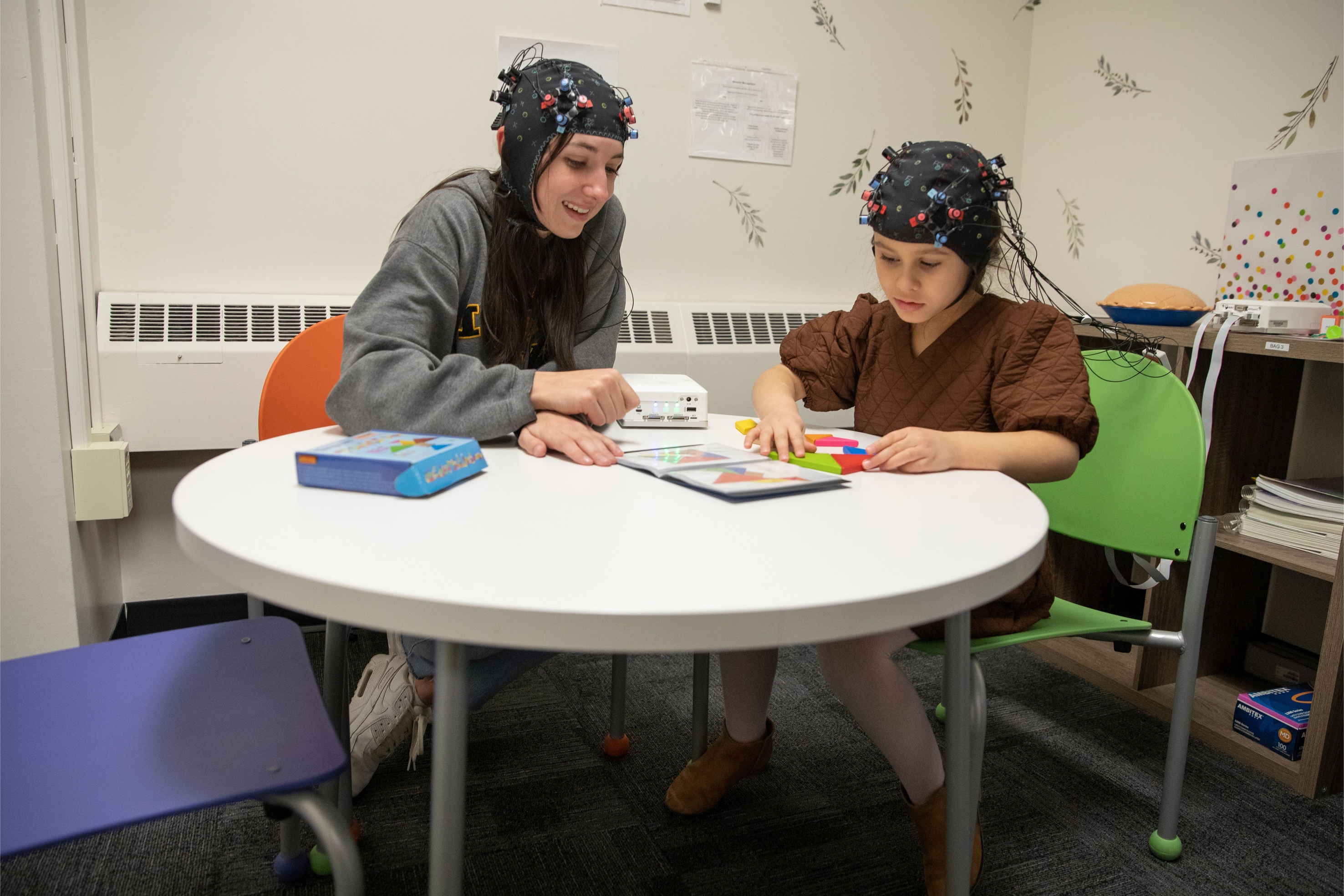
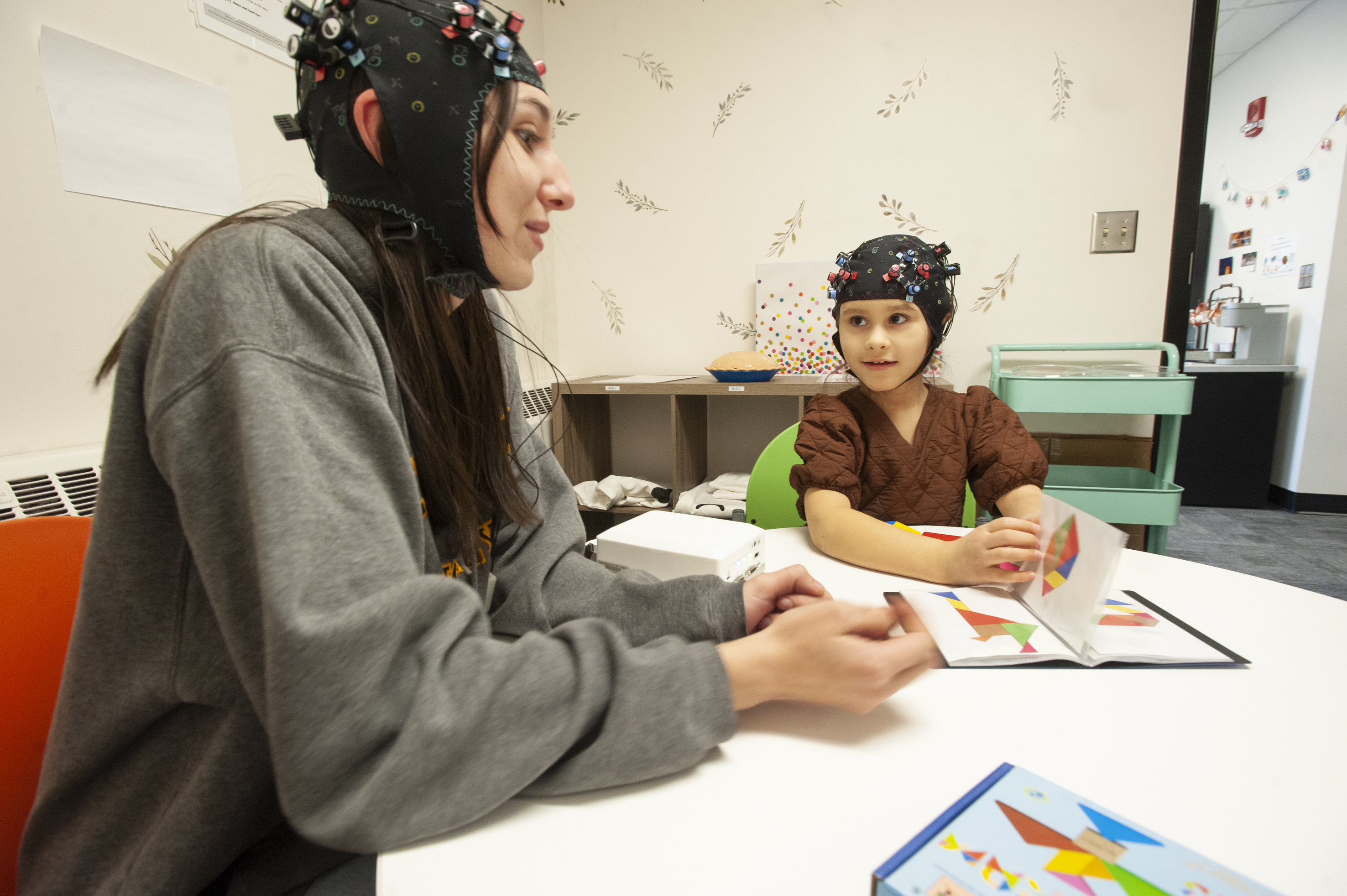
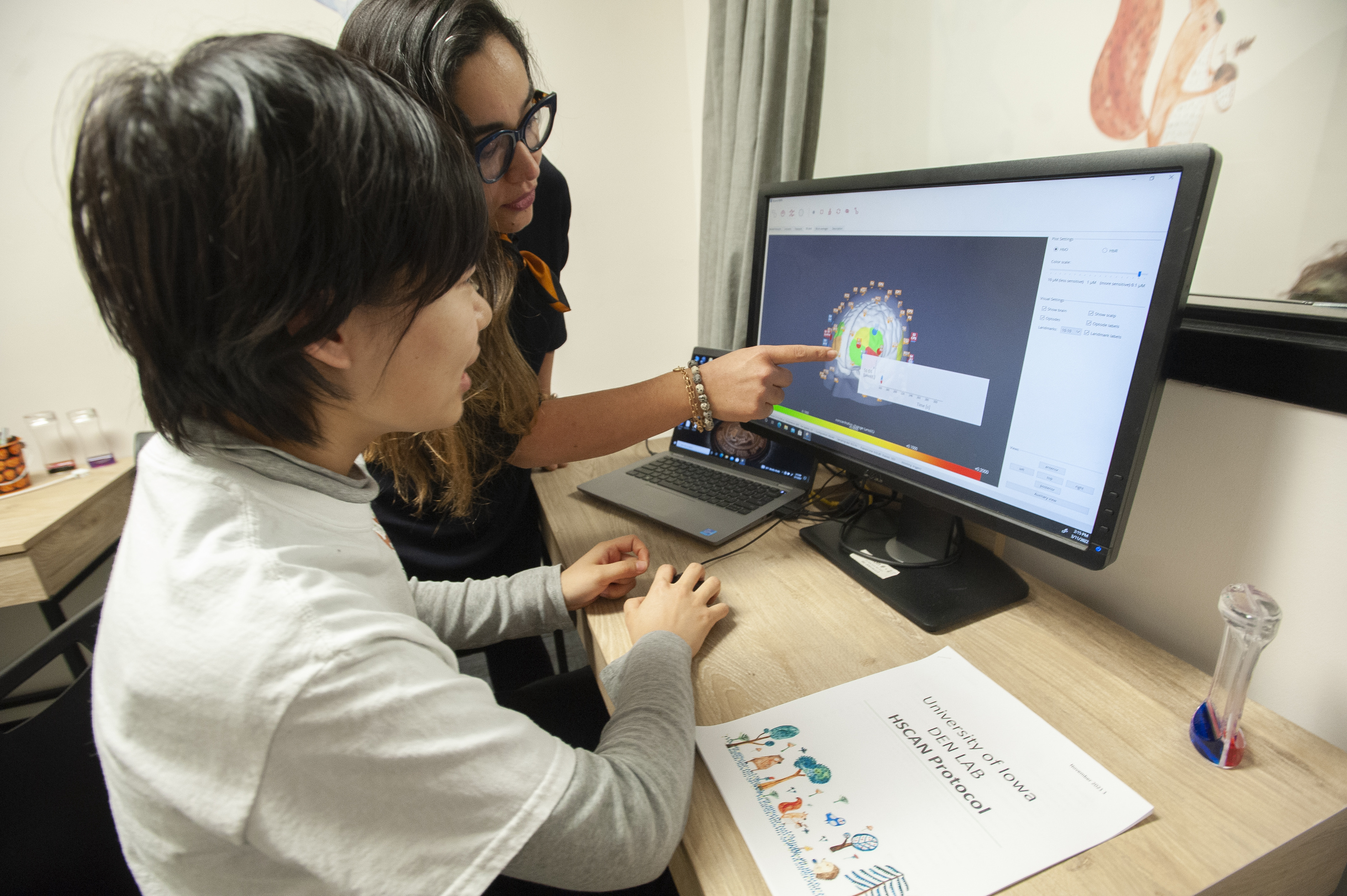
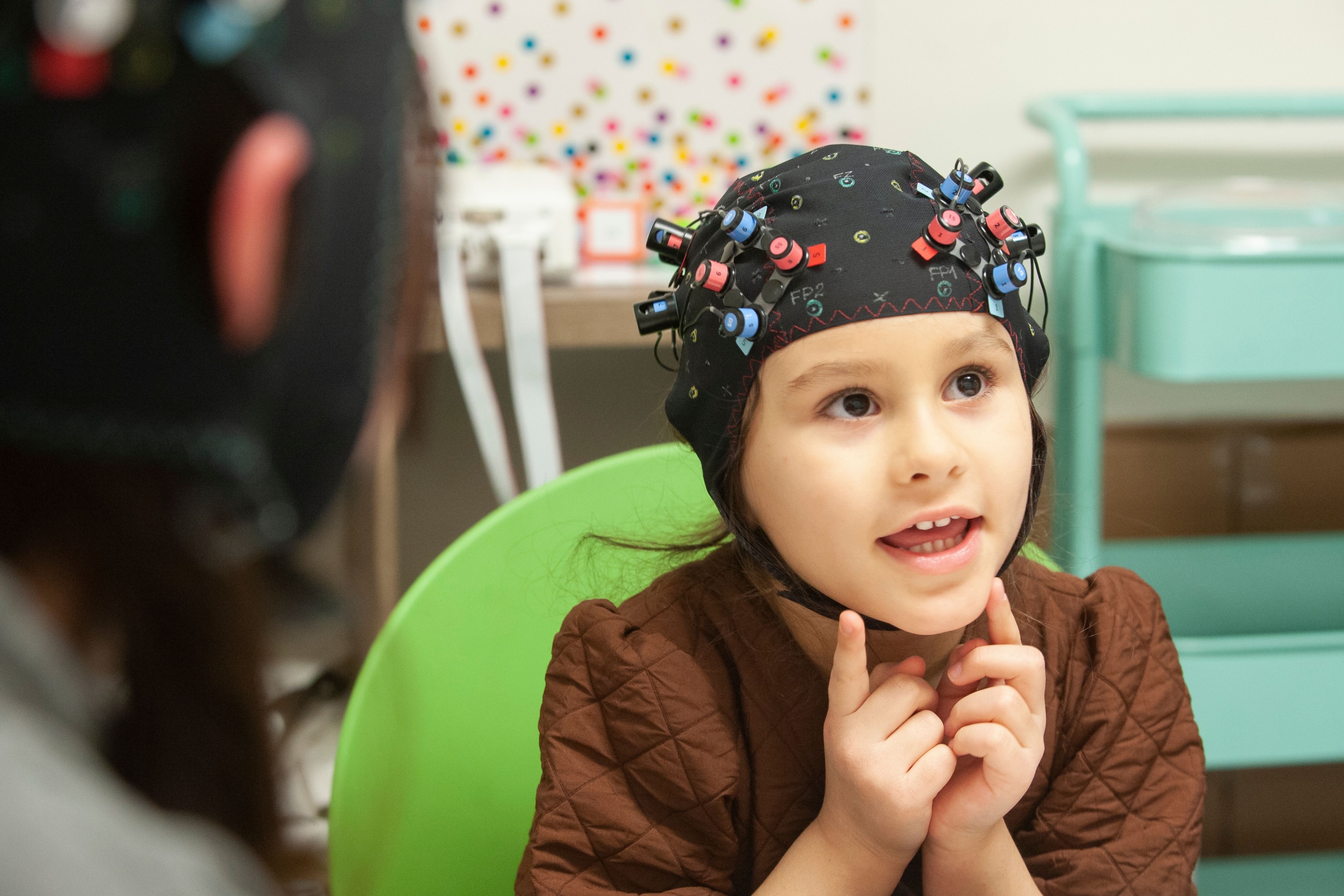
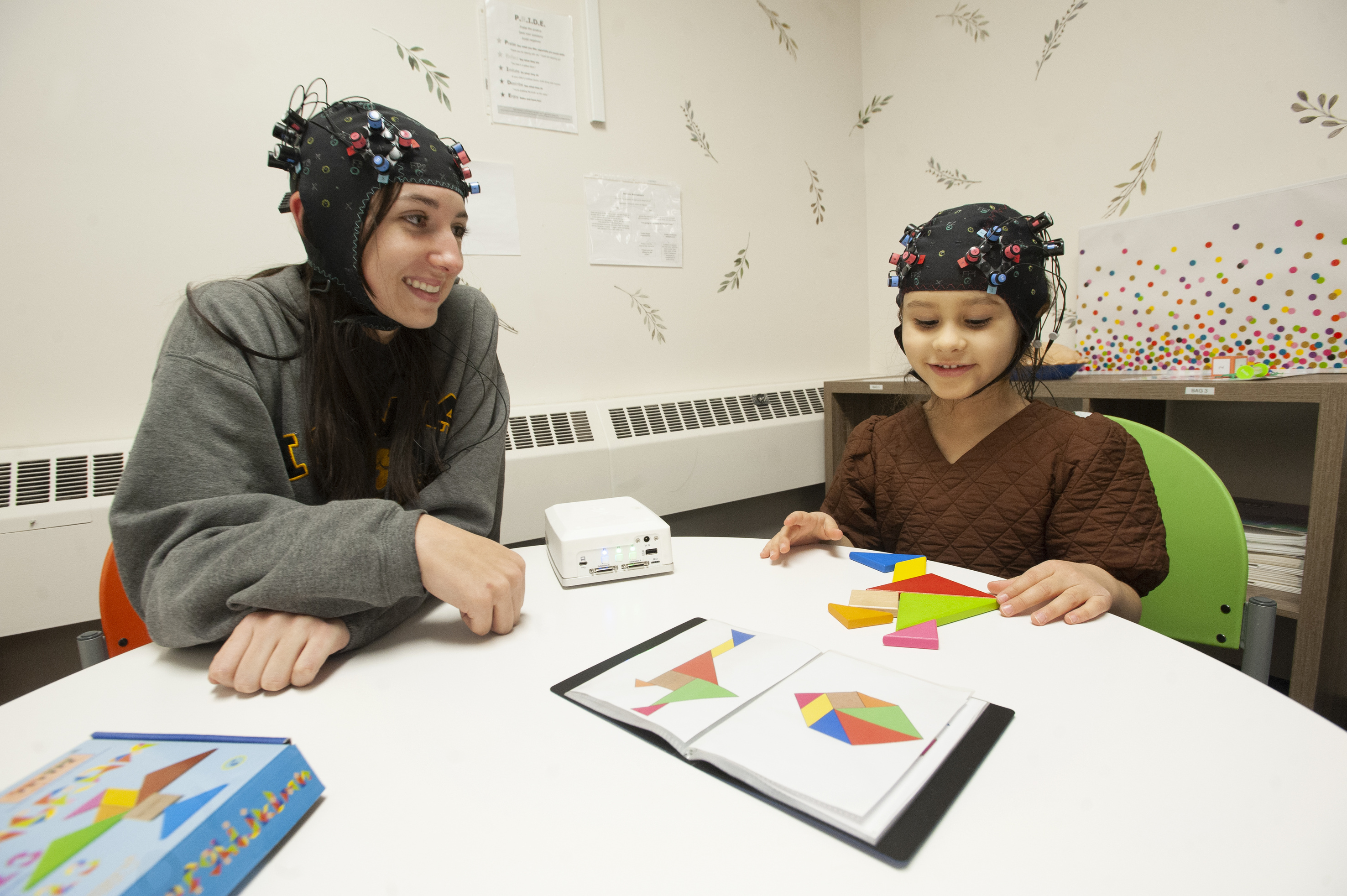
To investigate that system, Demir-Lira uses a neuroimaging technique called hyperscanning, which allows researchers to measure the mother's and child's brain activity simultaneously while they interact. Hyperscanning lets her team examine children's brains during learning as it often happens: through exchanges with the people around them. She combines the scan with a detailed behavioral description of the interaction for a fuller picture.
“What happens when a parent praises their child? It doesn’t help all the time,” Demir-Lira said. “Learning happens in ordinary back-and-forth with kids and the people that take care of them. Those moments in the kitchen when you’re baking a cake and measuring the ingredients, helping in the garden—those are the moments for teaching,” she said.
Demir-Lira also studies resilience, or why some children thrive despite facing disadvantages. One study found that lower-income children who did well in early math leaned more on visual and spatial brain systems, while wealthier peers leaned more on verbal systems.
The finding raises another question: could recognizing differences like these eventually help parents and educators better match support to a child's experiences and learning strategies, rather than assuming one approach works for everyone?
Better matched support
Demir-Lira describes the University of Iowa Stead Family Children’s Hospital's neonatology unit as having a strong history of helping preterm babies survive and return home to their families. What happens when those children reach school?
Supported by a $1.7 million grant from the National Institutes of Health, Demir-Lira is following children born preterm from preschool through first grade. The project combines brain imaging and biomedical measures with information about parent-child interactions and the child’s environment.
Demir-Lira hopes what her team learns can eventually lead to earlier, better-matched support for those children who struggle.
A more complete human
Demir-Lira's research also shapes how she sees her students. Just as she resists explaining a child's behaviors as a result of any single factor, she resists reducing a student to a grade or research assignment.
When a student says they are “not a math person,” for example, Demir-Lira doesn’t simply correct the belief. She asks where it came from.
“I ask them about their past experiences in math. You see them as a more complete human. I encourage them. With the right support, they can do this,” Demir-Lira said.
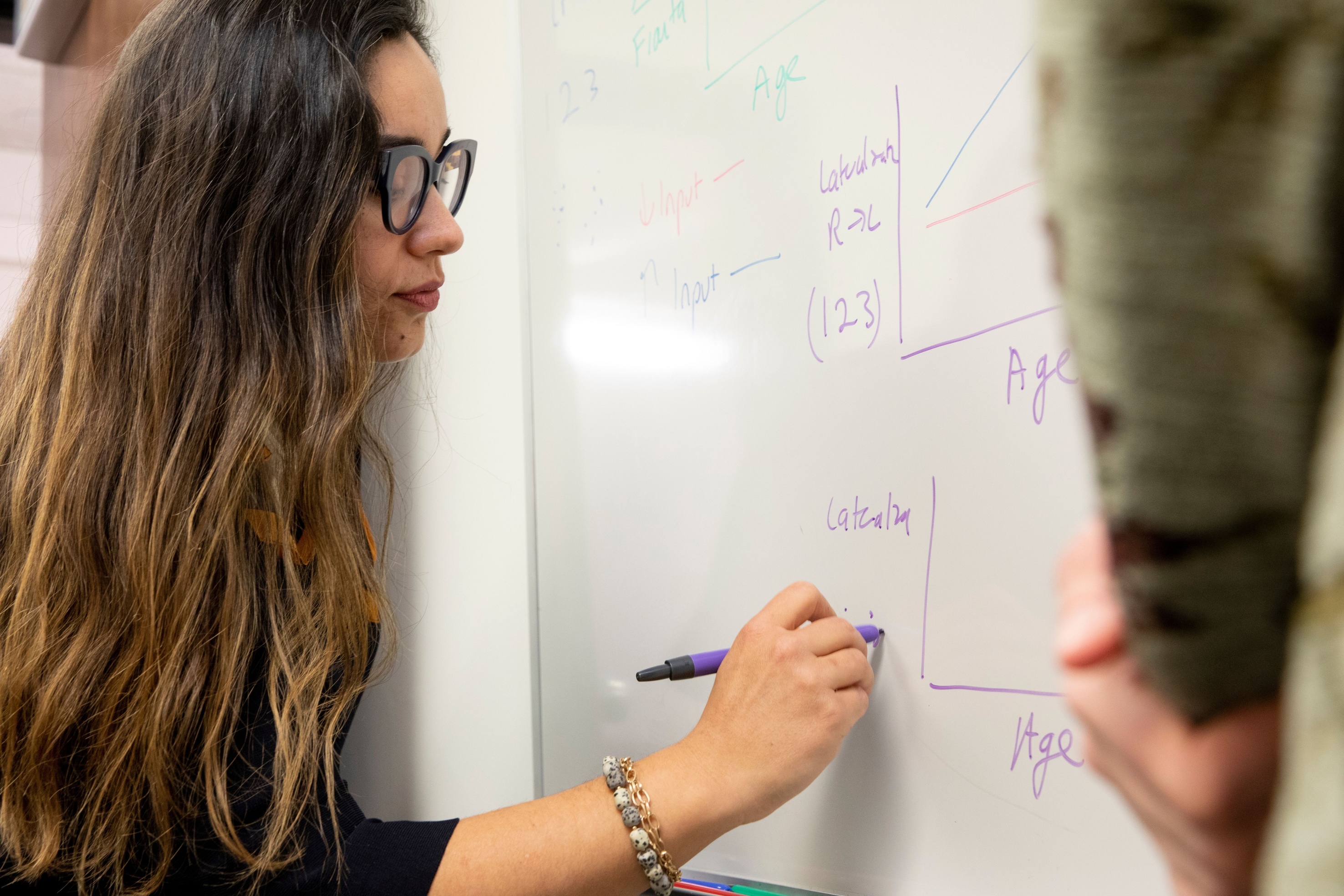
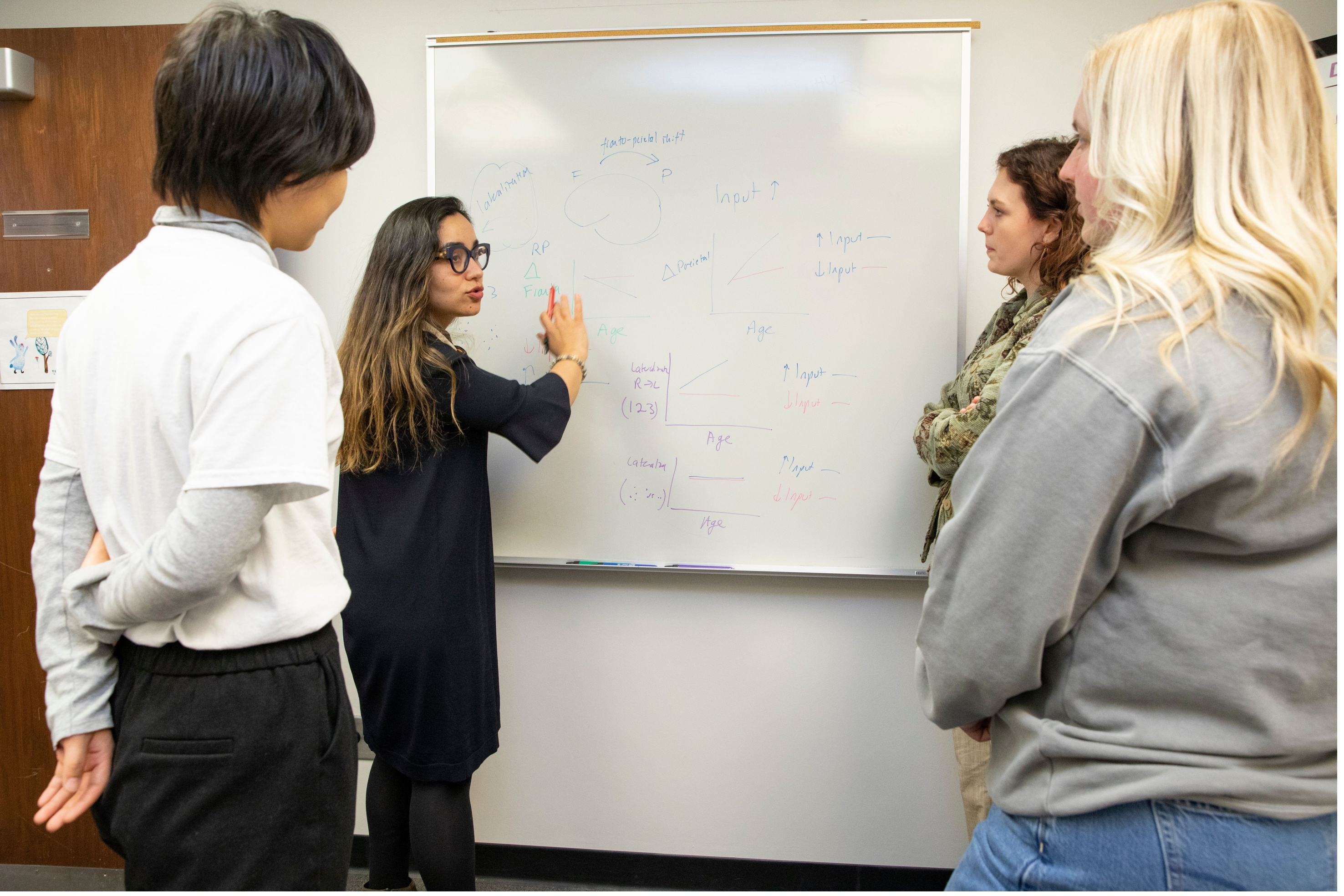
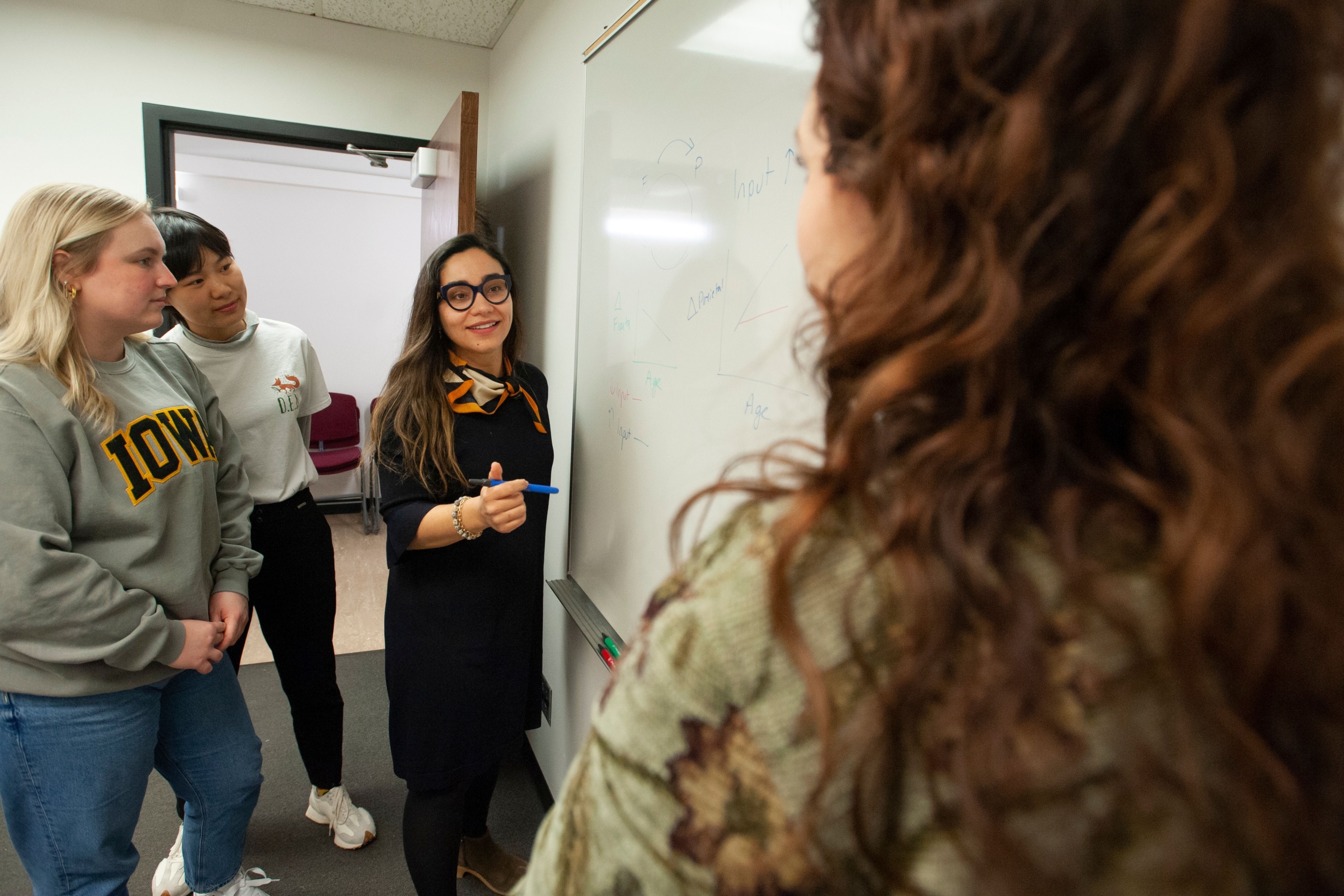
She takes a similar approach in her lab. Students begin by learning specific research skills, but over time, Demir-Lira pushes them to ask their own questions and contribute ideas. Her first doctoral student, for example, encouraged her to consider the role of caregivers’ mental health in parent-child interactions. This opened a research focus that Demir-Lira continues to pursue.
For Demir-Lira, each new question reveals another chance to understand what children need to reach their potential.