By Jessica Lien
For Nicholas Brown, Egypt is as much about ordinary people as it is pyramids and the storied tombs of kings.
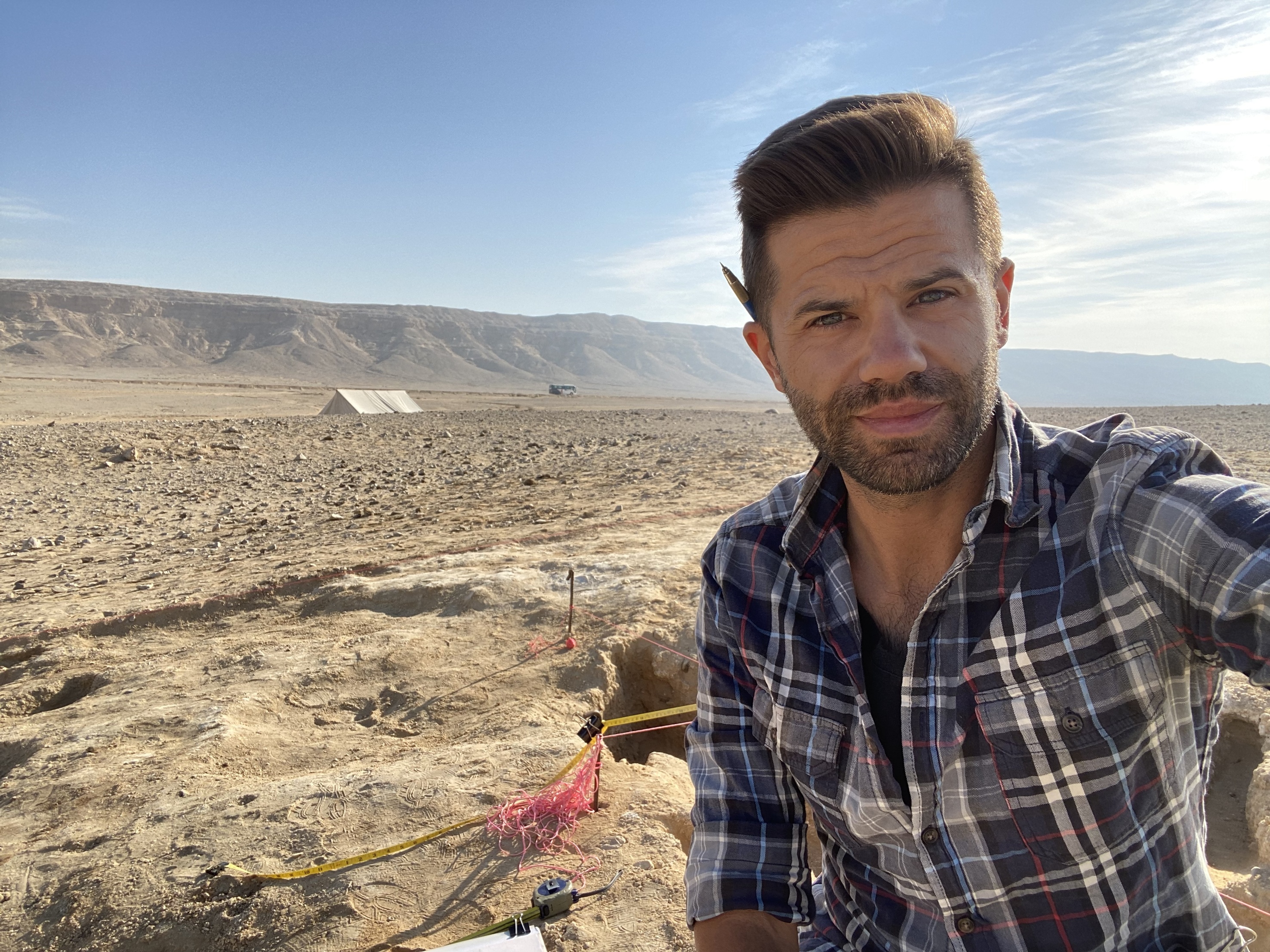
As an assistant professor of Egyptology in the Department of Classics and Religious Studies, Brown describes himself as a social historian. His research uses archaeology and written records to understand how ancient Egyptians lived outside the royal courts that dominate popular images of the period.
"I'm interested in studying not the greatness of civilizations, but rather the daily lived experiences of people in the ancient world, and I'm realizing that humans have not changed for 5,000 plus years," said Brown. "We have pretty much the same emotions and conflicts, and everything in between."
Common people, relatable problems
Surviving texts from ancient Egypt range from love poems to court records to neighbors accusing each other over stolen property or a disputed boundary line.
Brown's favorite example is Paneb, a foreman in the workers' village of Deir el-Medina, remembered by history as something of a villain.
"He supposedly would sit on the walls of this village he lived at and throw bricks at people who walked by," Brown said. "He was the bad boy of ancient Egypt. He even entered the tomb of Seti II and sat on the king’s sarcophagus as an act of arrogant rebellion!"
But there is a catch. Much of Paneb's reputation comes from Papyrus Salt 124, a complaint written by Amennakht, a rival who believed Paneb had taken a job that rightfully belonged to him.
As a social historian, Brown considers what a source says, who wrote it, and what that person stood to gain.
Sustainable archaeology
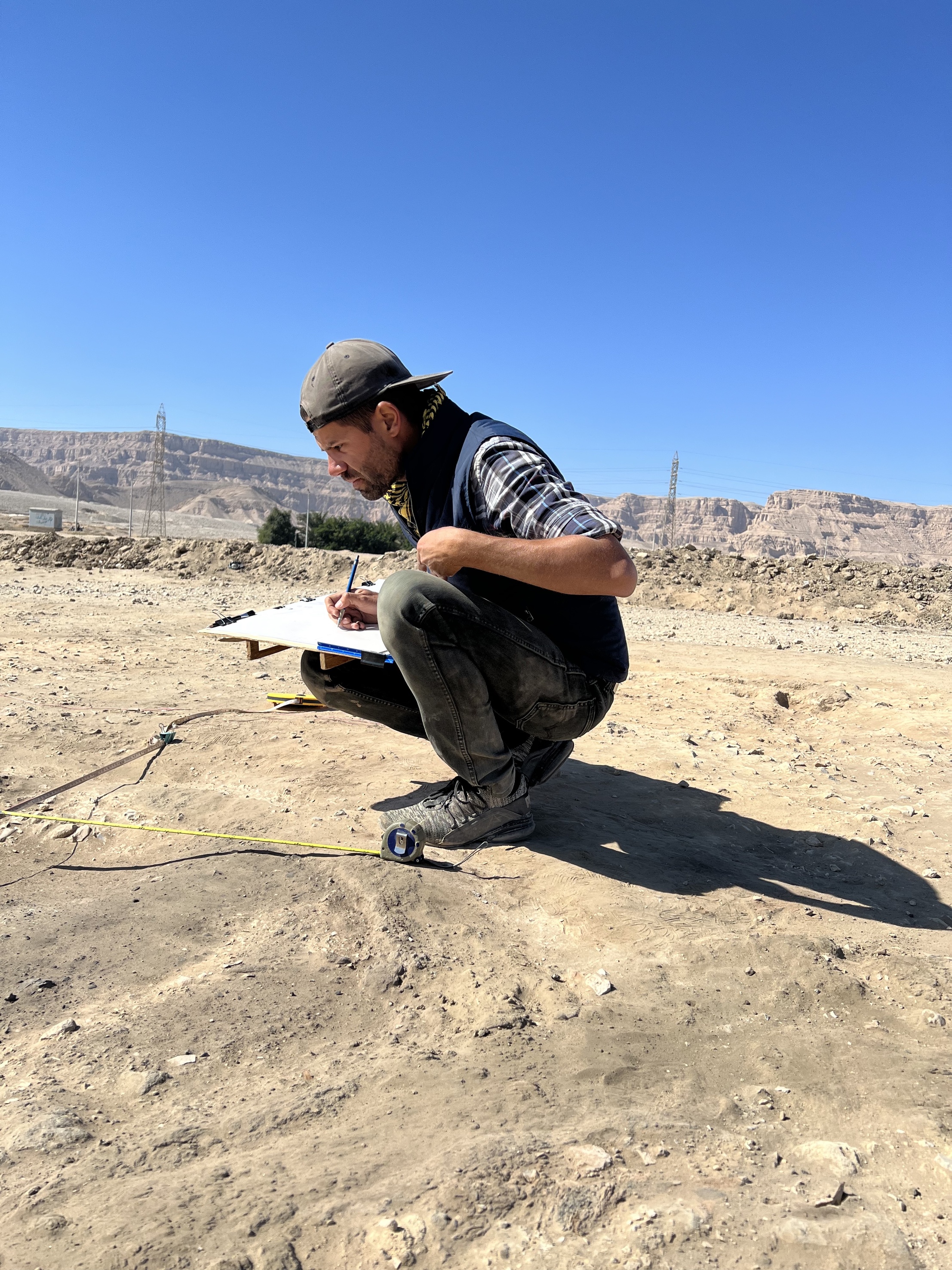
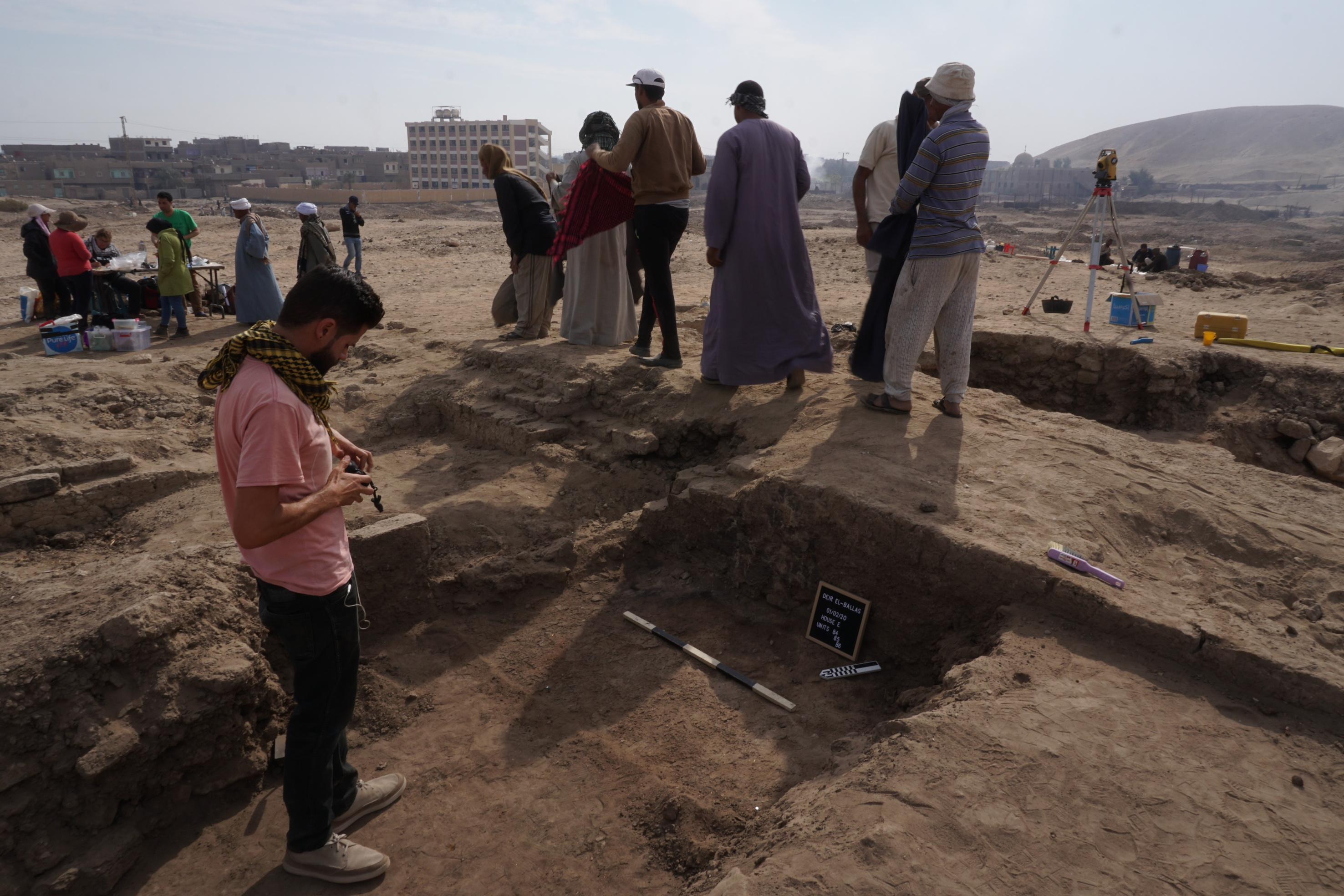
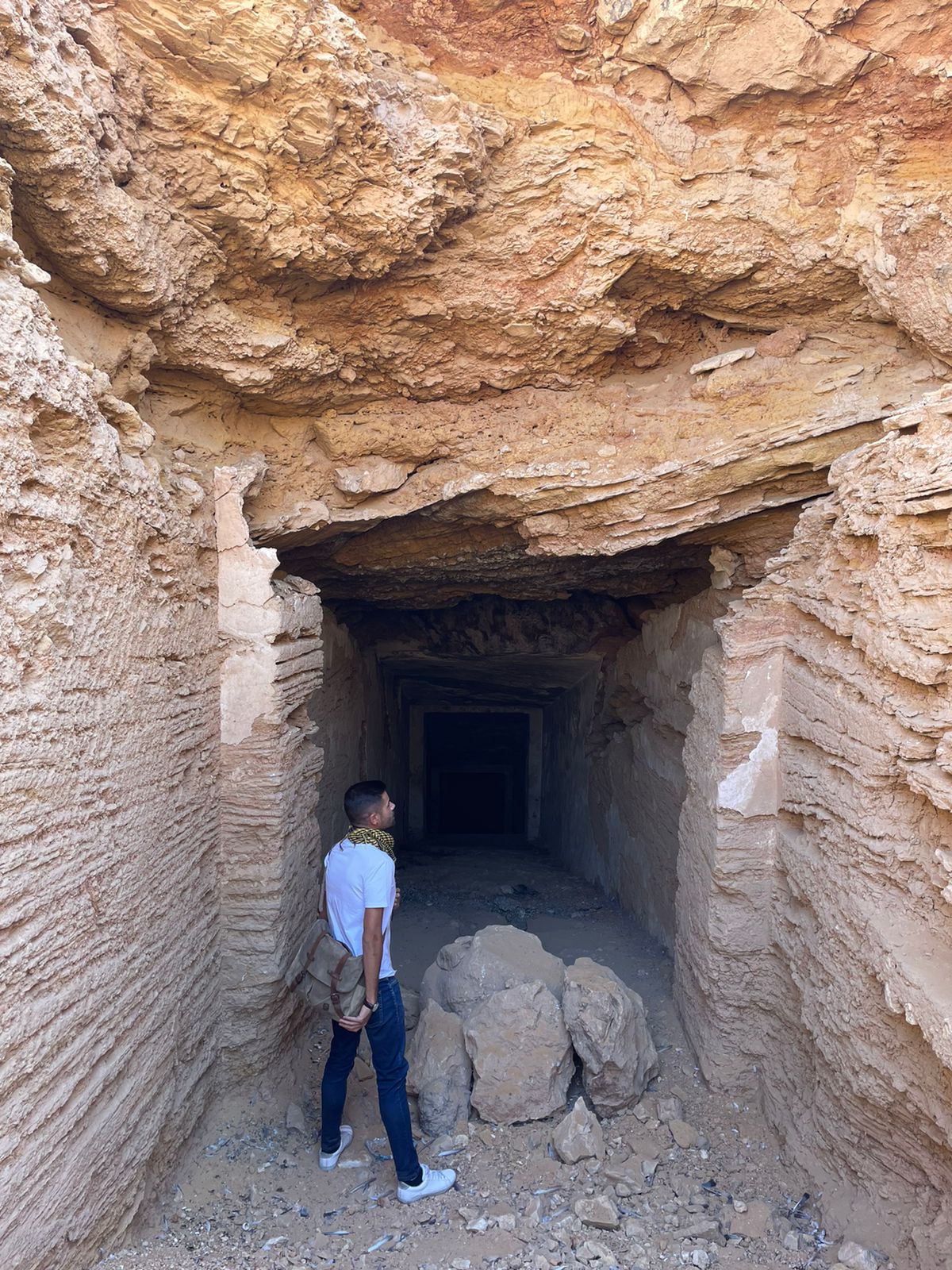
At Deir el-Ballas, a site in Egypt where Brown directs an expedition, archaeologists are returning to a royal palace and settlement first excavated in 1900. His team is also reexamining the tomb of Thutmose IV in the Valley of the Kings. Rather than assuming those sites yielded everything they had to offer when first explored a century ago, Brown brings current methods of discovery and different questions to evidence already uncovered.

The approach is called sustainable archaeology.
"We've got this wealth of data already available," Brown said. "Let's take advantage of that."
During fieldwork at a cemetery that had been heavily looted, Brown encountered a burial that had escaped the disturbance around it.
As he excavated, the span of 3,500 years dawned on him. The last people to interact with the person buried there had likely been family members placing them in the grave.
"It hit me," Brown said. "They were intact—I was the first person in over 3,500 years to actually interact with this person. Their family would have put them in the grave the day they died, covered them over, and then 3,500 years later, I'm the next person to come along to have this moment with them."
The discovery has stayed with him: "I want to repeat that moment, again and again, when I'm out in the field," Brown said.
Bringing students to Egypt
Brown's fascination with Egypt began in childhood, but traveling there for an excavation as a student at age 20 deepened his interest in both its ancient history and the responsibility of preserving its cultural heritage.
At Iowa, he wants students to have that same kind of access to Egyptology as a living field, not just a subject in a textbook. Brown brings students on excavation fieldwork in Egypt when he can, and involves others through the nonprofit fund that supports his projects, giving them a role in research.
"I'm where I'm at today because of the generosity and time of mentors and teachers that I had," Brown said. "It's definitely my mantra to pay it forward and give students that chance as well."
Based in the Department of Classics and Religious Studies, Brown sees room to bring Egyptology into a broader conversation about ancient religions and cultures.
"I'm so excited and so looking forward to bringing that passion and that enthusiasm to the University of Iowa," Brown said, "and hopefully pass that on to all of my students."