By Jessica Lien
This coming academic year, the University of Iowa College of Liberal Arts and Sciences is bringing together two departments that have long helped students understand the ancient world and its lasting influence.
The new Department of Classics and Religious Studies combines academic programs whose faculty have collaborated for years through shared teaching, research, and intellectual interests. The new department will also house the Certificate in Jewish Studies and the Certificate in Museum Studies.
By joining Classics and Religious Studies into a single department, the college is strengthening both units while creating new opportunities for interdisciplinary learning, scholarship, and public engagement.
The timing is especially meaningful. During the 2026-2027 academic year, Religious Studies will celebrate its 100th anniversary at the University of Iowa—a milestone that highlights a century of examining the beliefs, traditions, and cultures that have shaped human history.
Although the administrative structure is changing, students will continue to find the same distinctive programs and close faculty mentorship that have defined both departments.
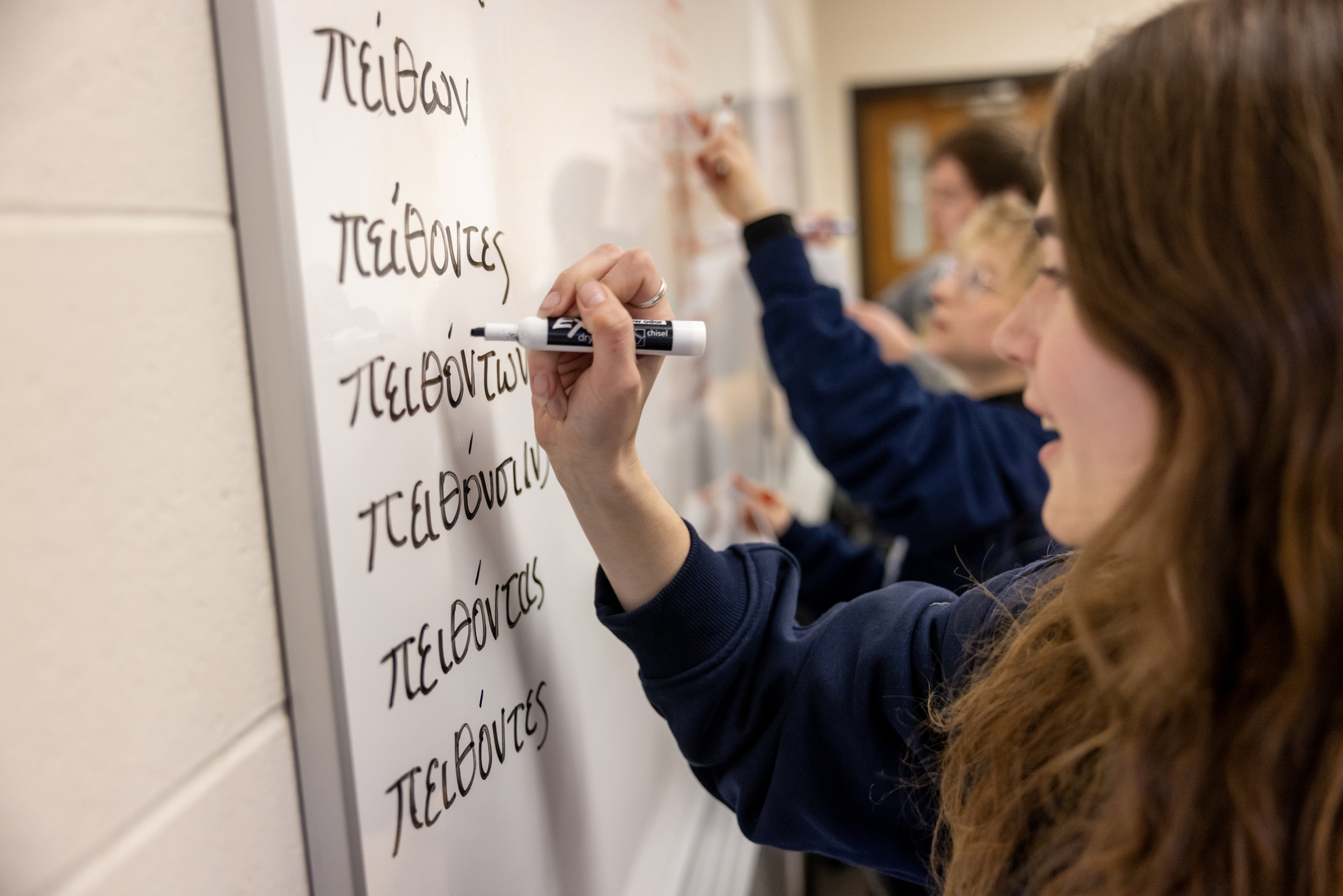
Classics explores Greco-Roman languages, literature, history, and cultures, and expands our understanding of the ancient world, while Religious Studies examines religious traditions across cultures and throughout history.

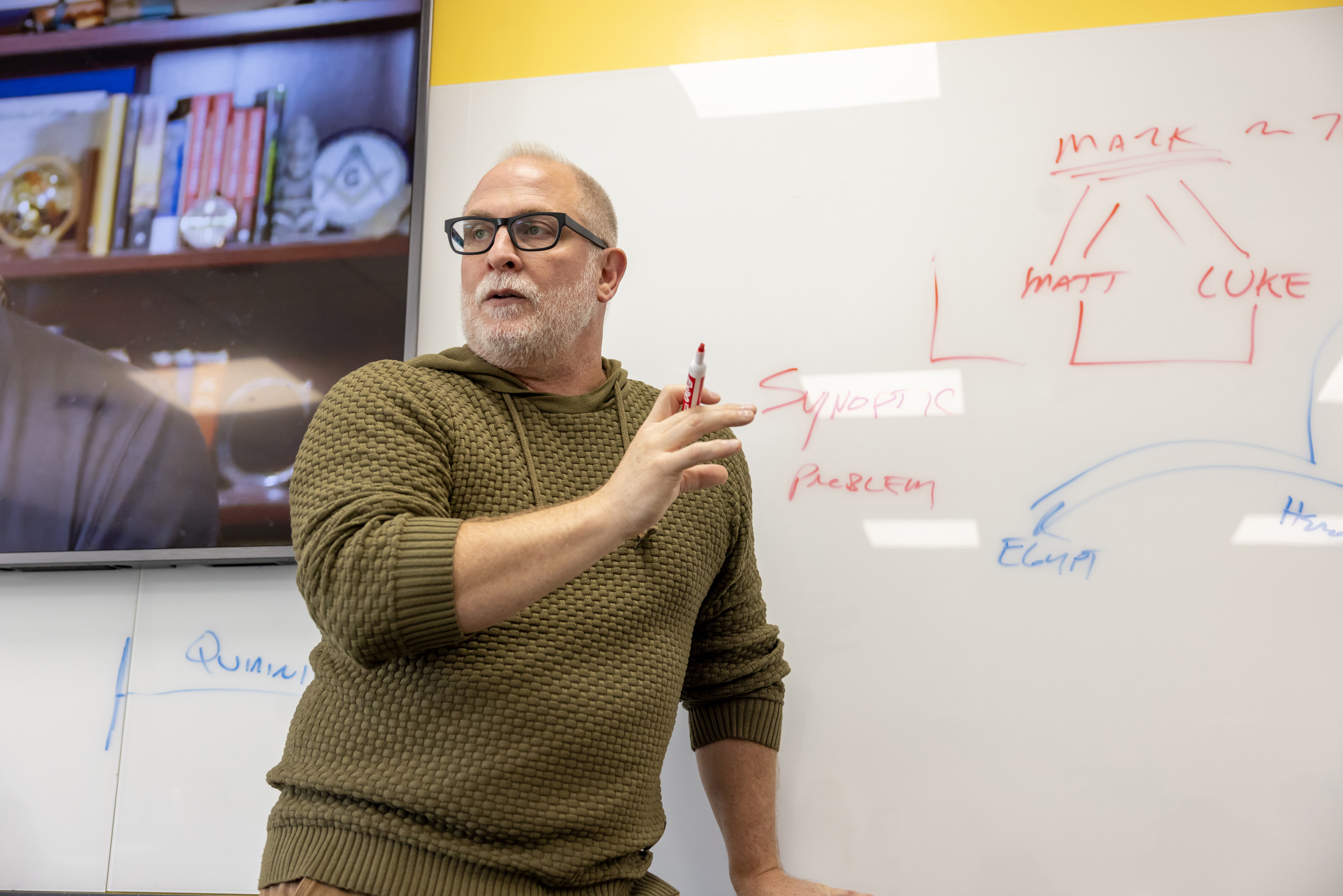
Together, the disciplines frequently intersect, offering complementary perspectives on ancient civilizations, philosophy, literature, politics, archaeology, and cultural identity.
"The questions our faculty and students ask often cross disciplinary boundaries," said Paul Dilley, professor and chair of the new Department of Classics and Religious Studies. "By bringing these programs together, we're creating even more opportunities for collaboration while preserving the strengths and identities that have made each department successful. Students will benefit from a broader academic community and new ways to connect ideas across fields."
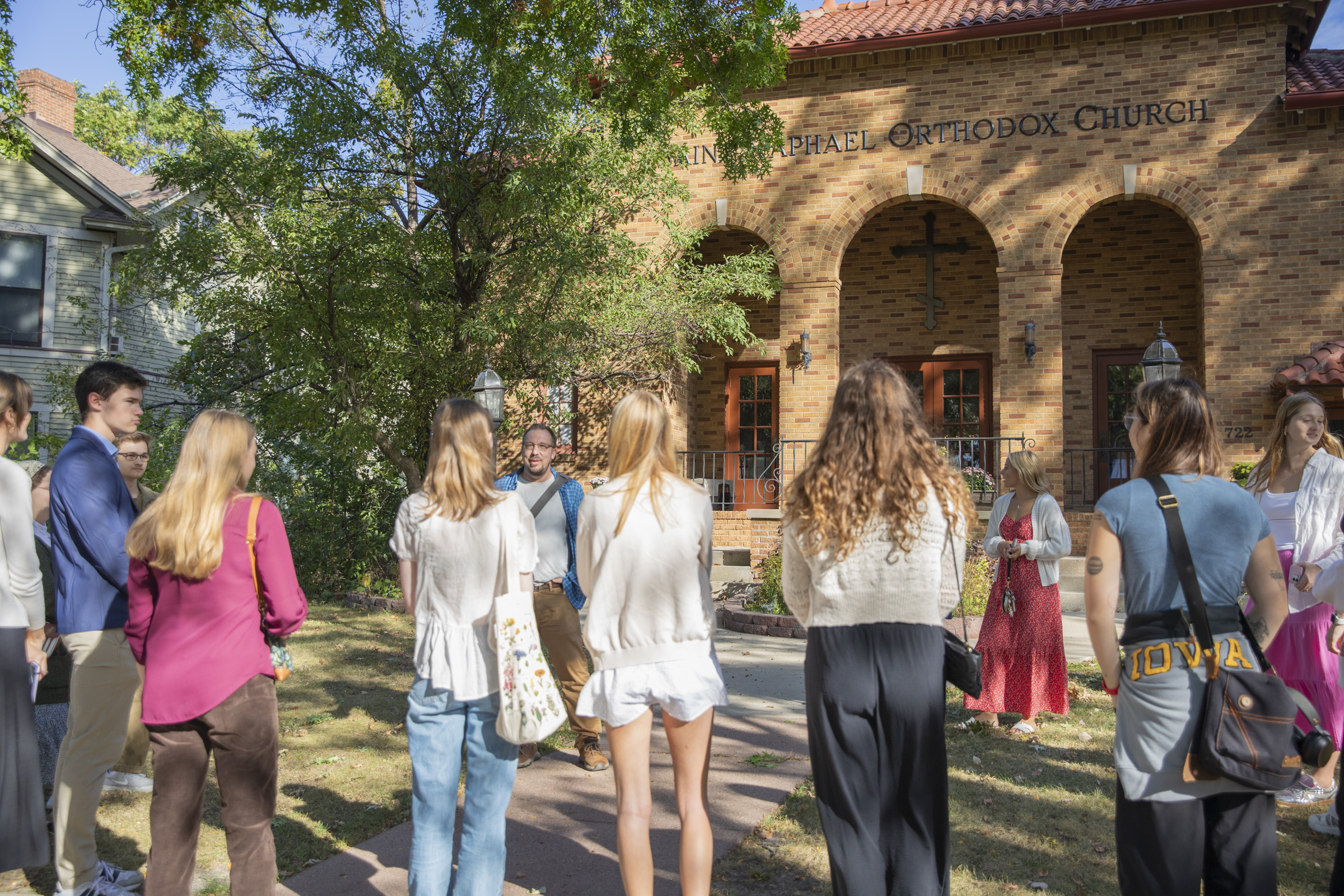
The new department reflects collaborations already taking place in classrooms and research.
Faculty members have long worked across disciplinary lines on topics ranging from the ancient Mediterranean world to the development of religious traditions, languages, texts, and cultures. Housing those conversations within one department will make it easier to develop new courses, expand interdisciplinary research, and create additional opportunities for students to engage with faculty expertise.
For students, the merger means access to a wider network of faculty mentors whose teaching spans thousands of years of human history and cultures around the globe.
Whether studying ancient languages, archaeology, sacred texts, philosophy, or the role of religion in contemporary society, students will continue to receive the individualized attention that has long distinguished both programs while benefiting from expanded academic connections.
"The humanities are strongest when they invite students to see connections across cultures, histories, and ways of thinking," said Roland Racevskis, associate dean for the arts and humanities in CLAS. "This new department builds on the natural relationship between these disciplines and positions them to continue attracting outstanding students and faculty while advancing innovative teaching and scholarship."
As Religious Studies marks its centennial year, the merged department represents both a celebration of its history and an investment in its future.
By bringing together two departments with shared intellectual traditions, CLAS is creating a stronger academic home—one that will continue helping students explore some of humanity's oldest questions while preparing them to think critically about the world today.