Algebra Seminar - Edo Biluar; University of Iowa Department of Mathematics
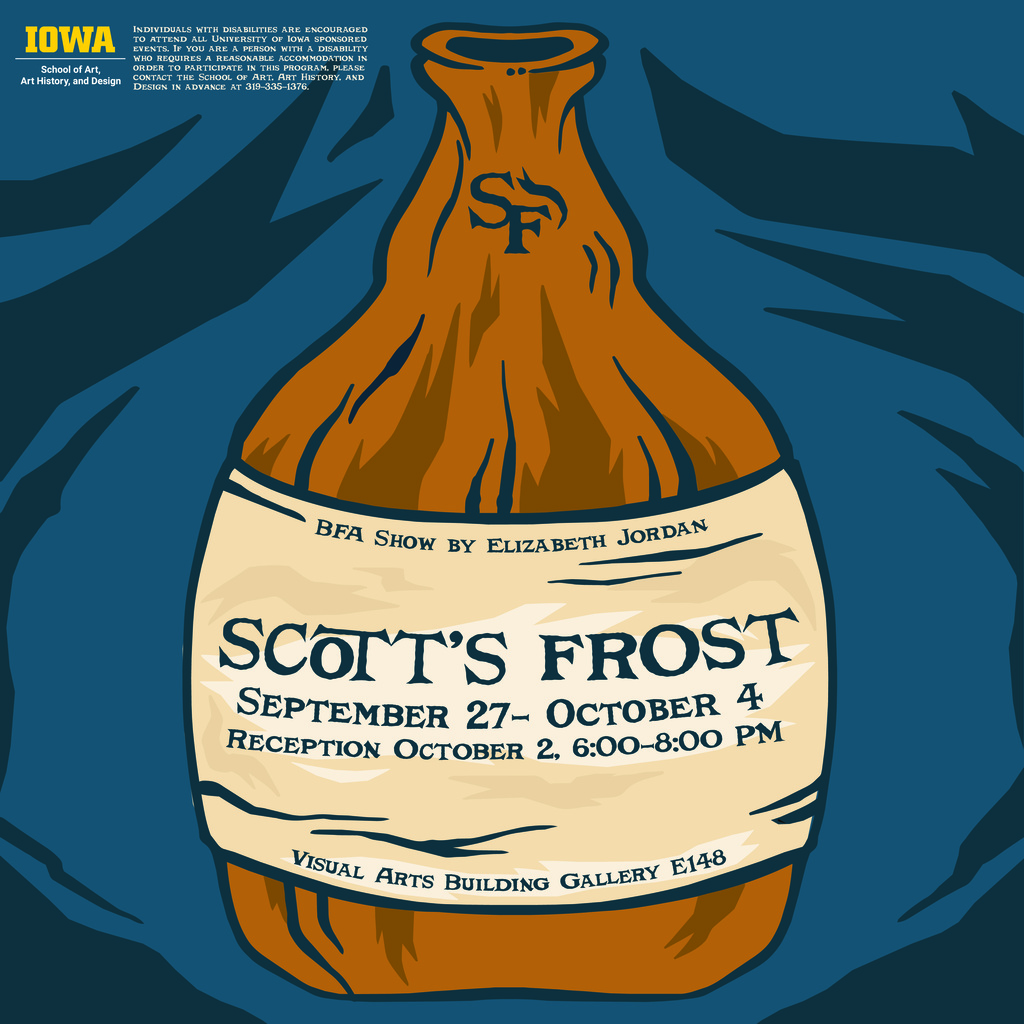
Scott's Frost - Elizabeth Jordan BFA Exhibition - School of Art, Art History, and Design
SEES:7000 Colloquium - Michael Sori (Purdue) - "Igneous crusts on the Moon and Mars from gravity and topography"
SEES:7000 Colloquium - Thursday, 10/1/26, 3:30pm, 255 MacBride Hall
SEES:7000 Colloquium - Michael Sori, Purdue
Talk: "Igneous crusts on the Moon and Mars from gravity and topography"
Volcanic and other igneous rocks provide a window into a planet’s thermal history. Here, I will discuss how orbital geophysical measurements taken from NASA spacecraft give us insight into igneous crusts and the early geophysical history of the Moon and Mars. At the Moon, the extreme precision of gravity and...

Chinese Corner Fall '26
Scott's Frost - Elizabeth Jordan BFA Exhibition - School of Art, Art History, and Design
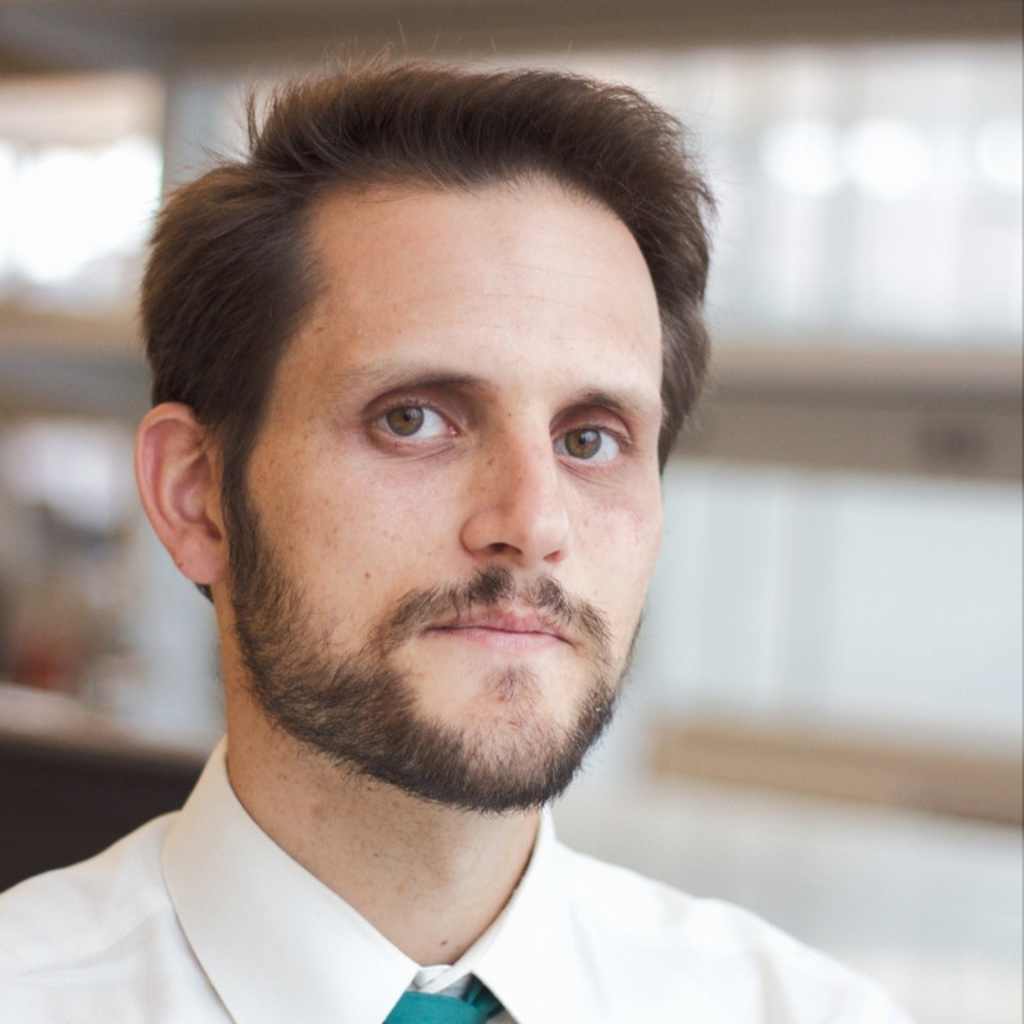
Andrew Goldman: "'Hearing As': Neural Correlates of Interpretation in Studies of Harmonic Prediction"

Art & Write Night
Join the long, rich, historical tradition of artists creating in our spaces.
Professional, aspiring, and amateur artists alike, make our museum your muse. The return of this popular program series welcomes guests into the Museum of Natural History's magical gallery spaces after-hours to work on sketching or writing projects with other campus and community artists.
Tell a friend, grab a notebook, and join us on the first Friday of each month. We'll provide a new inspo prompt for each session and...
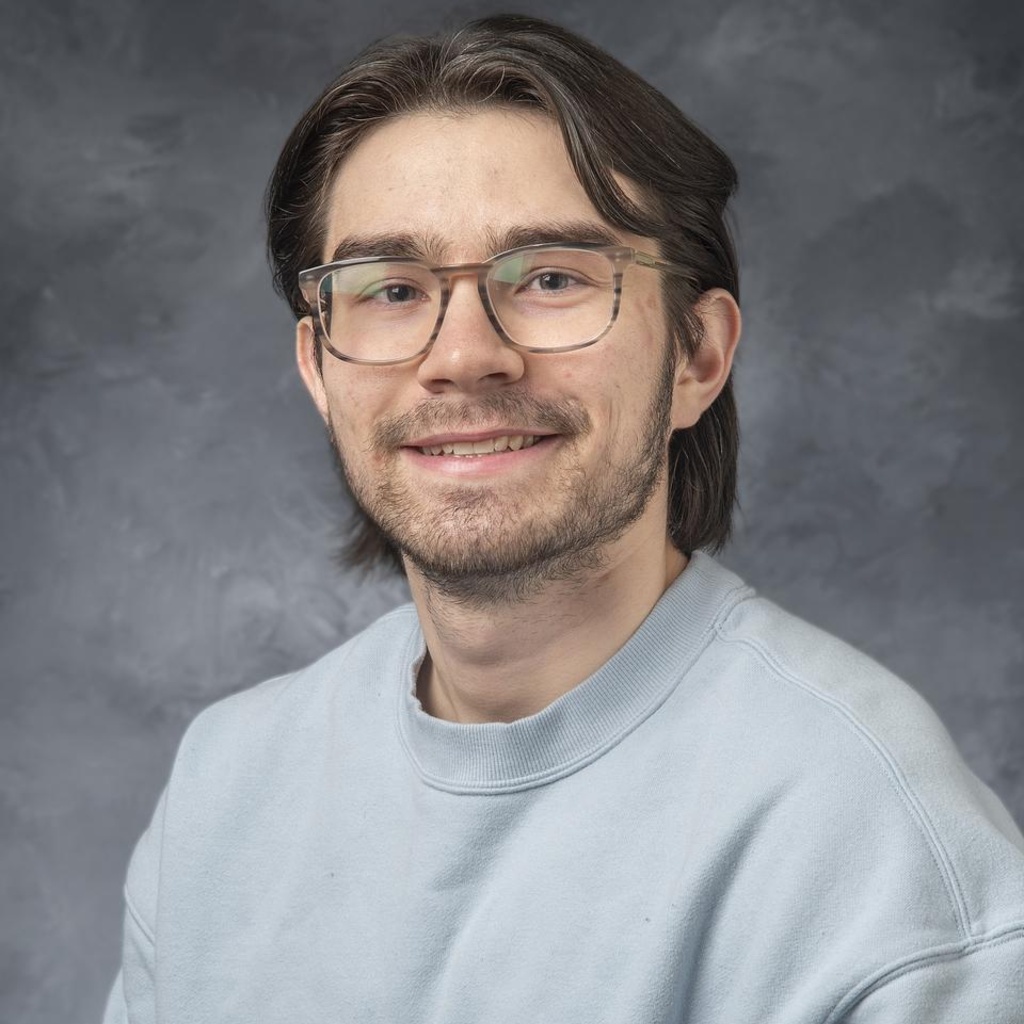
Math Bio Seminar - Bradley Duda; University of Iowa Department of Mathematics
BMB Research Workshop
The Department of Biochemistry and Molecular Biology holds research workshops featuring internal speakers on Tuesdays, 12:30-1:20pm. For Fall 2026, these will occur in 1117 MERF. Presentation titles are not publicly available due to the use of unpublished research. Individuals interested in attending workshops or being added to the email list should contact the office at biochem@uiowa.edu.
Aug. 25: CANCELED
Sept. 1: CANCELED
Sept. 8: RESERVED
Sept. 15: Steve Guzman, PhD, Postdoc Fellow, Biomedical...
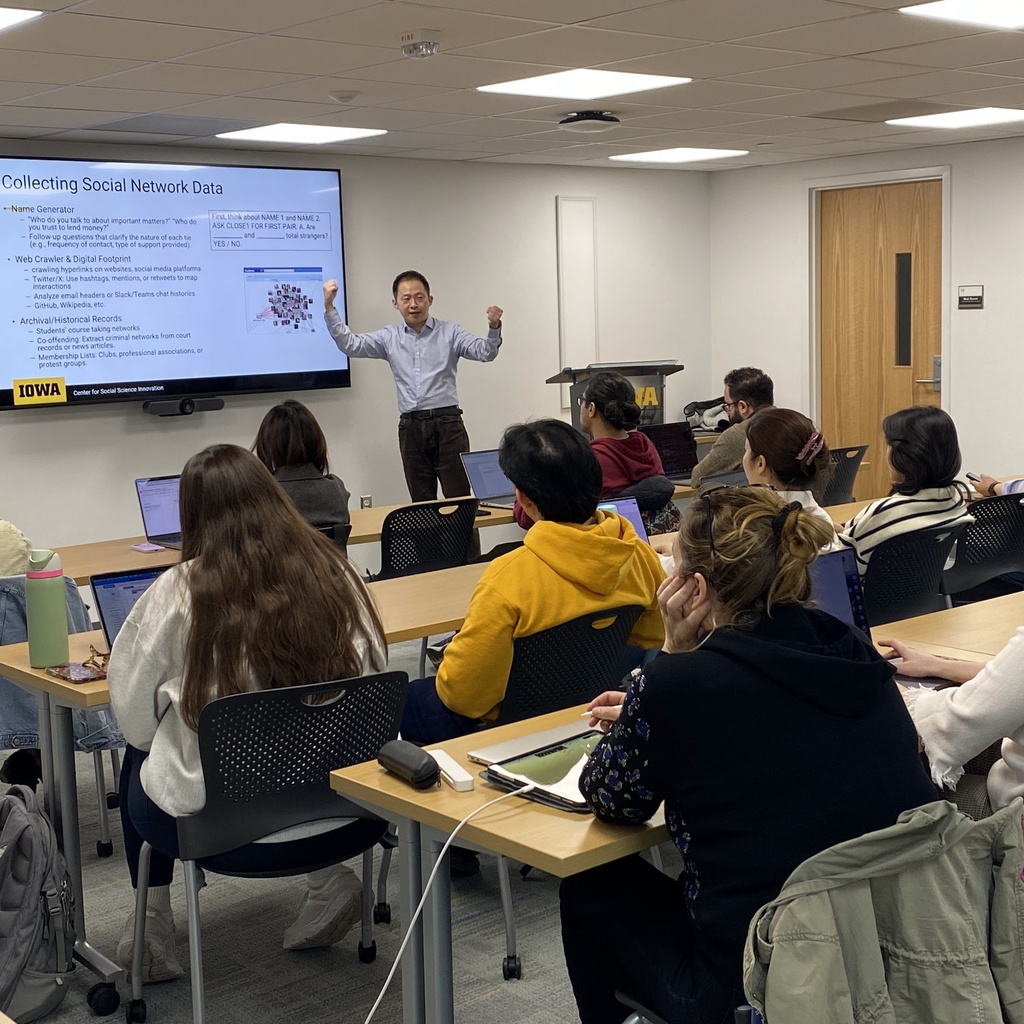
Intermediate Spatial Data Science and GeoAI with Dr. Caglar Koylu
This workshop introduces concepts and methods in spatial statistics and GeoAI for analyzing such patterns and relationships. Participants will learn about spatial dependence, where nearby observations tend to be related, and spatial heterogeneity and non-stationarity, where relationships between variables vary across space. Through a hands-on case study, participants will use mapping and spatial statistical methods to identify these patterns.
The workshop will also introduce XGBoost as a machine-learning approach for modeling complex and nonlinear relationships and use SHAP (Shapley Additive Explanations) to interpret how different variables contribute to model predictions in the social, environmental, and health sciences.
Analyses will be conducted in Python using Google Colab. Some familiarity with quantitative data analysis and spatial data science is encouraged. Prior experience with machine learning or programming is not required.