By Samantha Miller
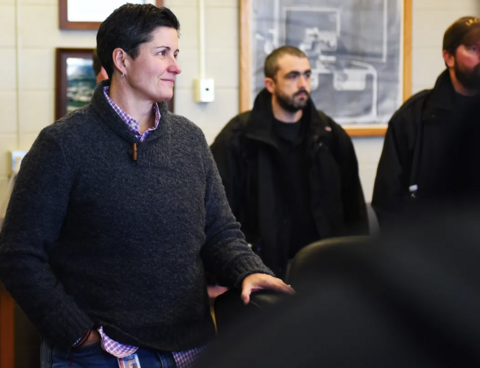
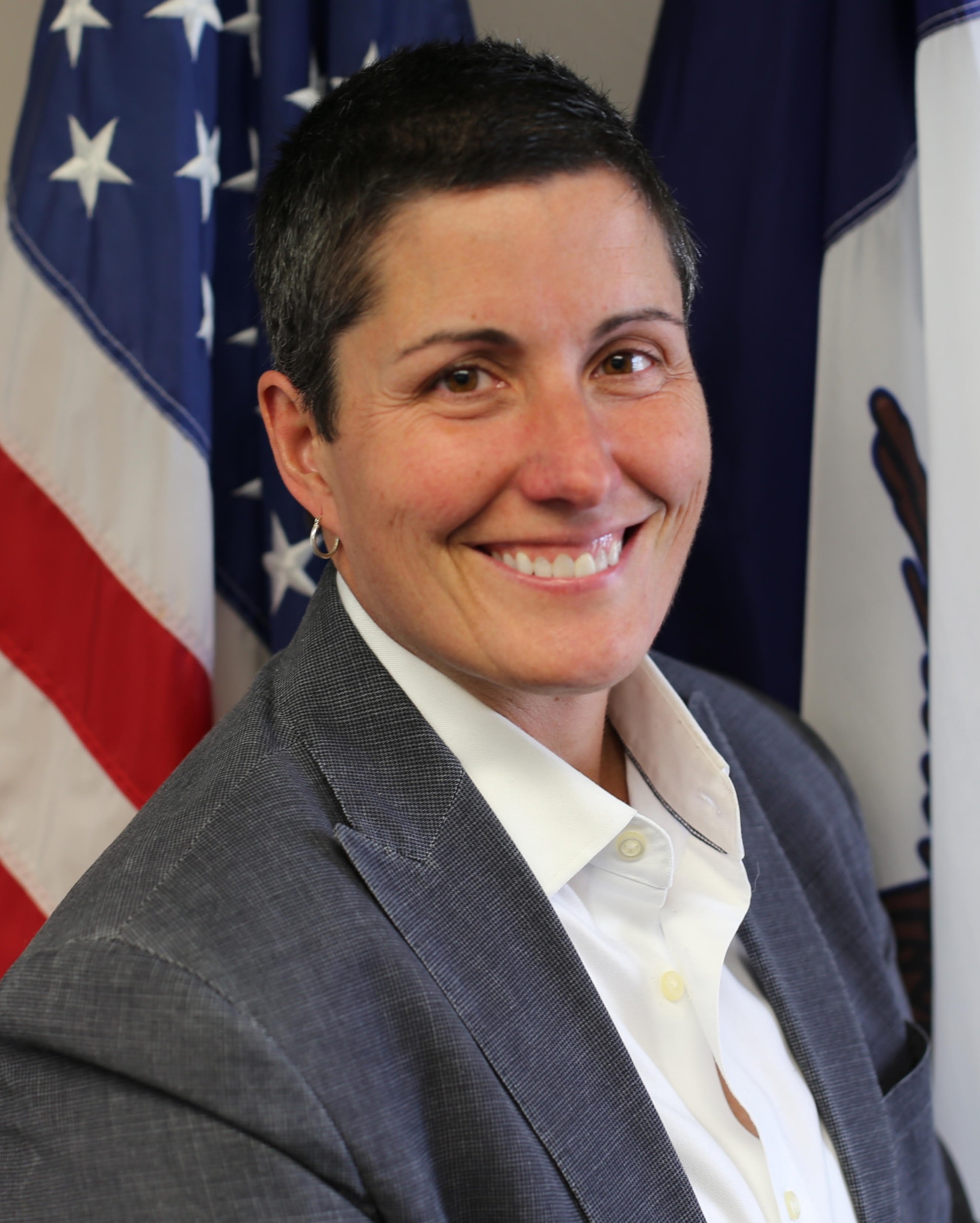
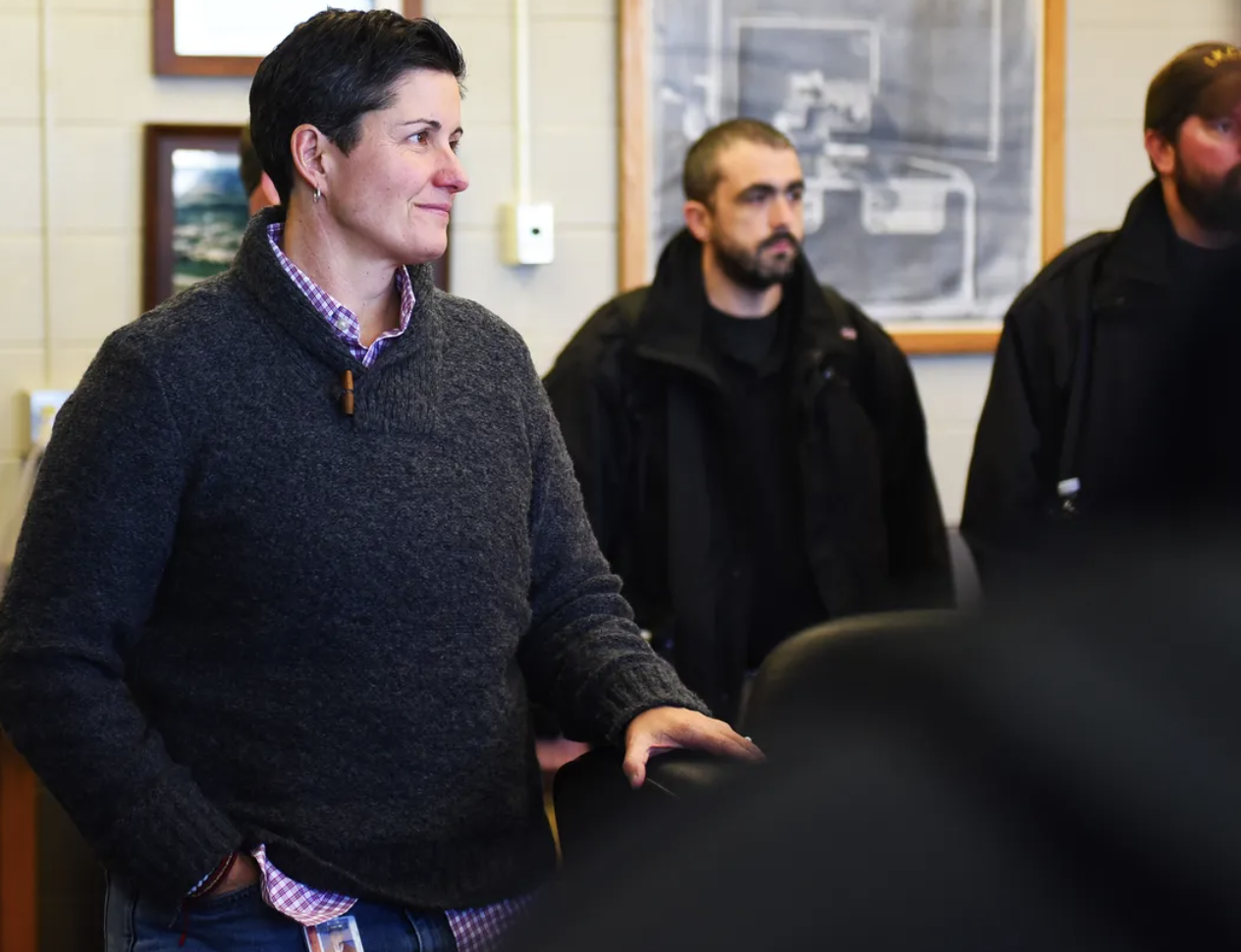
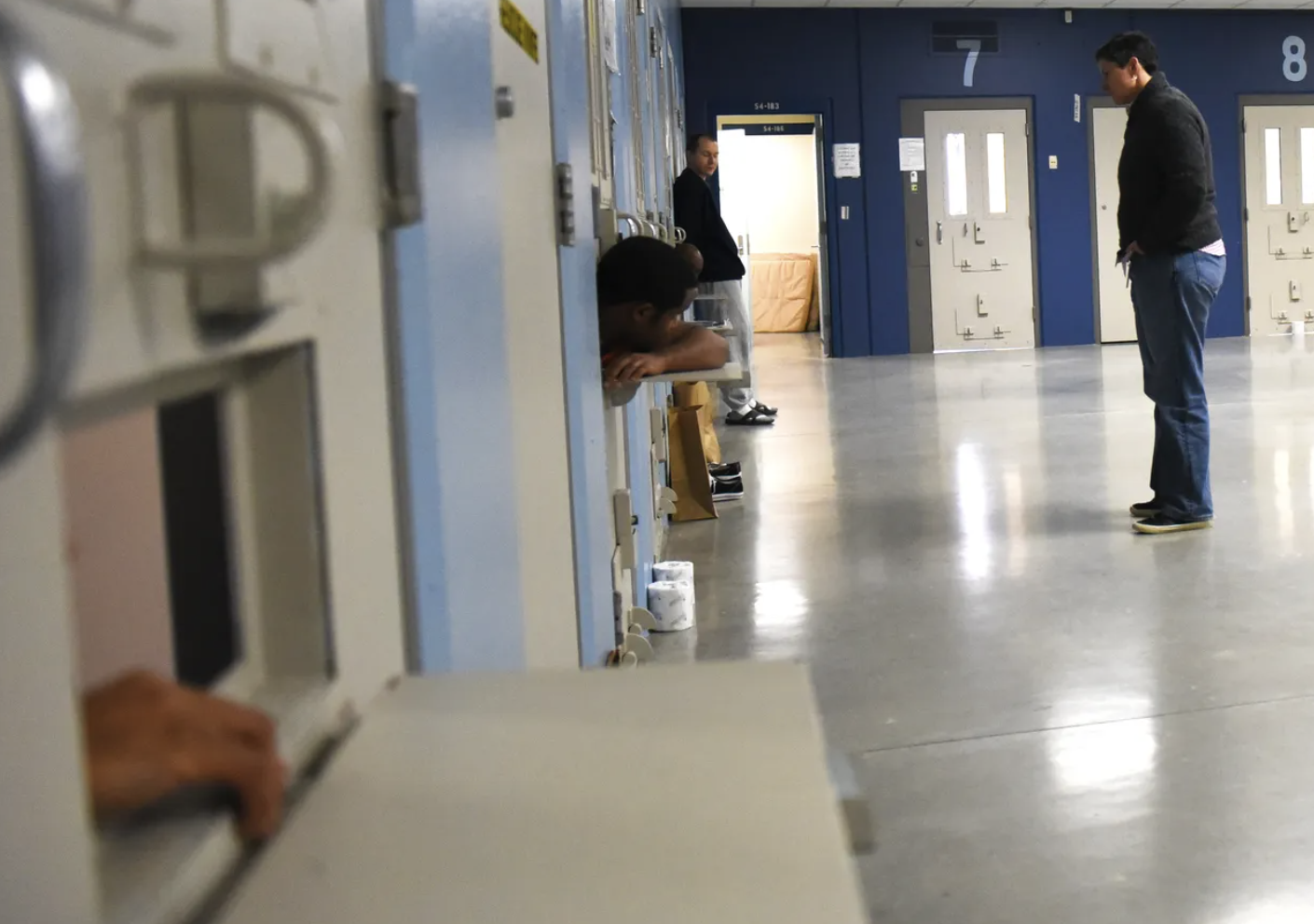
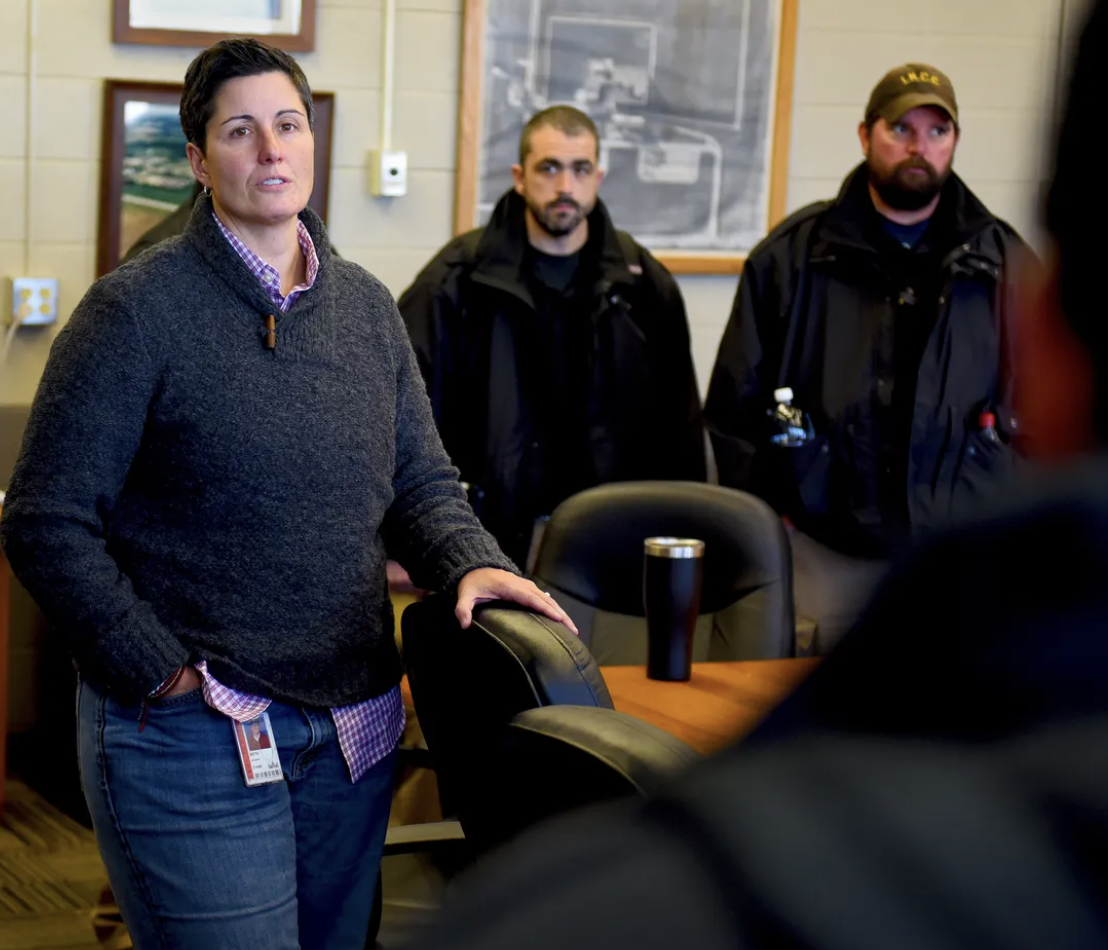
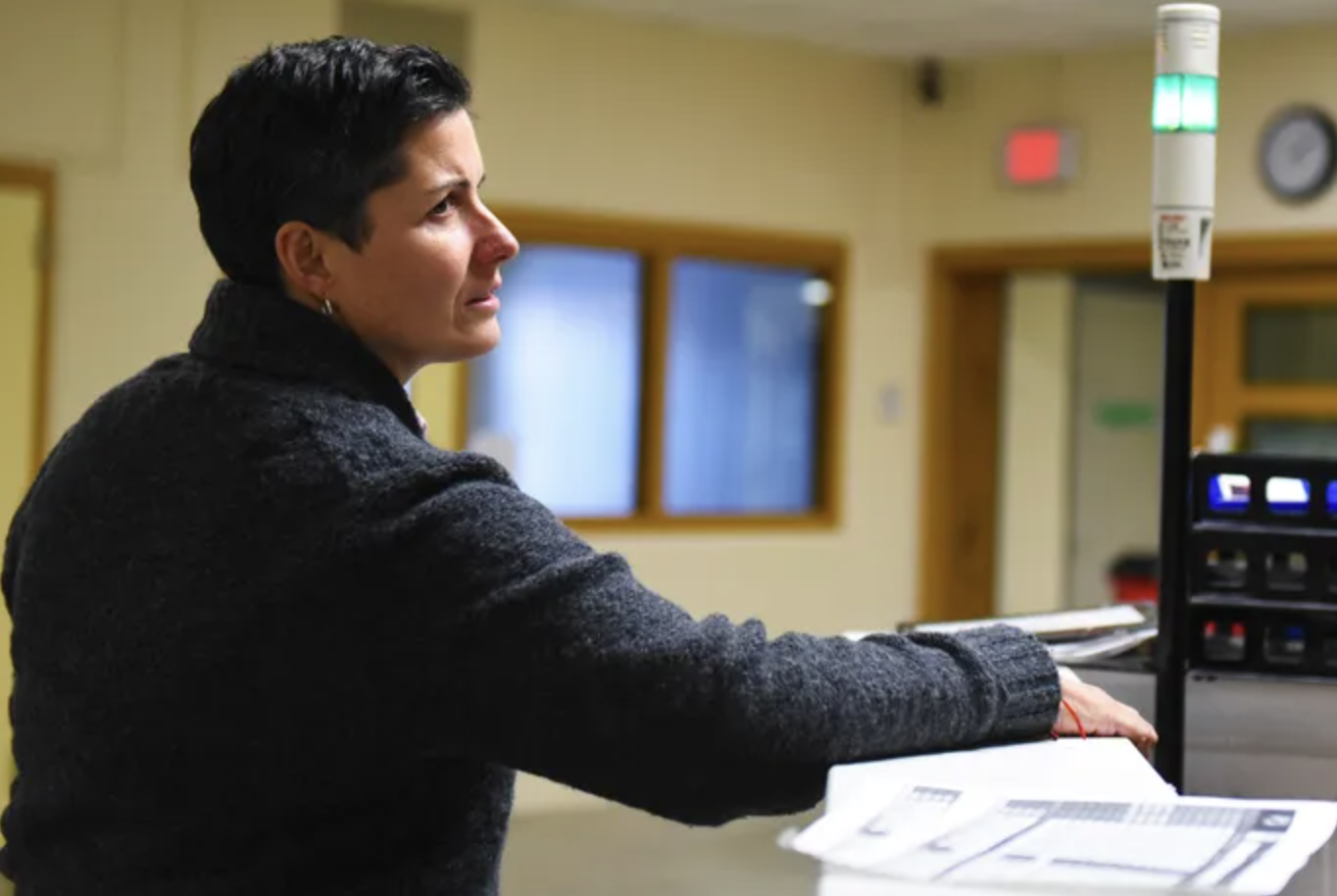
There’s no such thing as a typical day for Beth Skinner. One morning might find her reviewing risk-assessment data; by afternoon, she could be talking with staff or an incarcerated individual. As director of the Iowa Department of Corrections, Skinner moves between data, policy, people, and the realities of life inside Iowa’s correctional system.
"I've been working for the department for over 25 years," she said, "and I can tell you with certainty I've never had the same day twice."
It's a big, complicated job, but Skinner approaches her work through a specific lens: she's a social worker. Skinner sees corrections as a balance between accountability and rehabilitation. Accountability and security are essential, she said, but so is understanding and addressing the factors that contribute to criminal behavior.
"We don't warehouse people," she said. "We target what caused them to come to us to begin with."
That philosophy is more than a statement about corrections. It reflects the education and experiences that shaped Skinner's career, and the path that took her from a University of Iowa social work internship to leading Iowa's correctional system.
From LAPD hopeful to a career in corrections
Skinner didn't set out to lead a state agency. After graduating from Iowa in 1997 with a bachelor's degree in psychology and a minor in biology, she moved to Los Angeles to train with the LAPD, planning a career in law enforcement.
Life had other plans, leading her to Atlanta to help her father with his business before eventually returning to Iowa City. Looking to strengthen her undergraduate grade-point average and explore her options, she began taking classes at Iowa, including courses in social work. "I just fell in love with everything that social work was," she said.
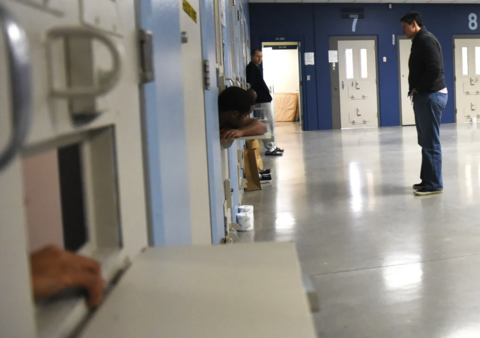
She hadn't given up on law enforcement. She had simply discovered that she wanted social work to be part of it, too. As part of a social work course, Skinner needed to complete just 12 hours of practicum experience. She chose probation and parole in the Sixth Judicial District.
The required hours came and went; Skinner stayed.
She continued as an intern, gained additional experience in residential corrections and eventually was hired, the start of a path that would take her from intern to director.
"What's unique about the work we do in corrections is that it's part law enforcement and it's part social work—it's rehabilitation," she said. "We have to hold people accountable, but we also have to treat people—the reason why they came to us to begin with."
Building the tools to lead
Skinner earned her Master of Social Work from Iowa in 2006 and her PhD in 2010. She also stayed connected to the School of Social Work, serving as a teaching assistant and later as an adjunct professor, where she created a course on social work in the criminal justice system.
Skinner credits CLAS Dean Sara Sanders, who is also a social work faculty member, with encouraging her to pursue a PhD when she wasn't convinced she could do it and helping her persist through moments when she wanted to quit.
"I can tell you I could go to anyone in the School of Social Work, to any professor, and ask for help, and they would immediately be responsive and say, 'What do you need?'" she said. "I felt like I was part of a family."
For Skinner, the value of her Iowa education was in combining social work theory with opportunities to apply it in the field. Her MSW gave her a foundation in social work philosophy and policy; her PhD added the ability to understand and apply research.
"It's definitely put me in the position I am today to have an agency that's very evidence-based, very data-driven."
Leading corrections through a social work lens
That combination of social work and research shapes how Skinner thinks about the people who enter Iowa's correctional system.
She points out that most people incarcerated in Iowa will eventually return to their communities. That makes rehabilitation not an alternative to accountability, but an essential part of it.
"I am in a unique position where, as a director, I work with my team, talk about the vision and mission and say, 'We have to treat these people because the majority of them are coming out [of incarceration],'" she said. Skinner said Iowa's recidivism rate is at a 10-year low, and credits the department's staff and sustained focus on evidence and research.
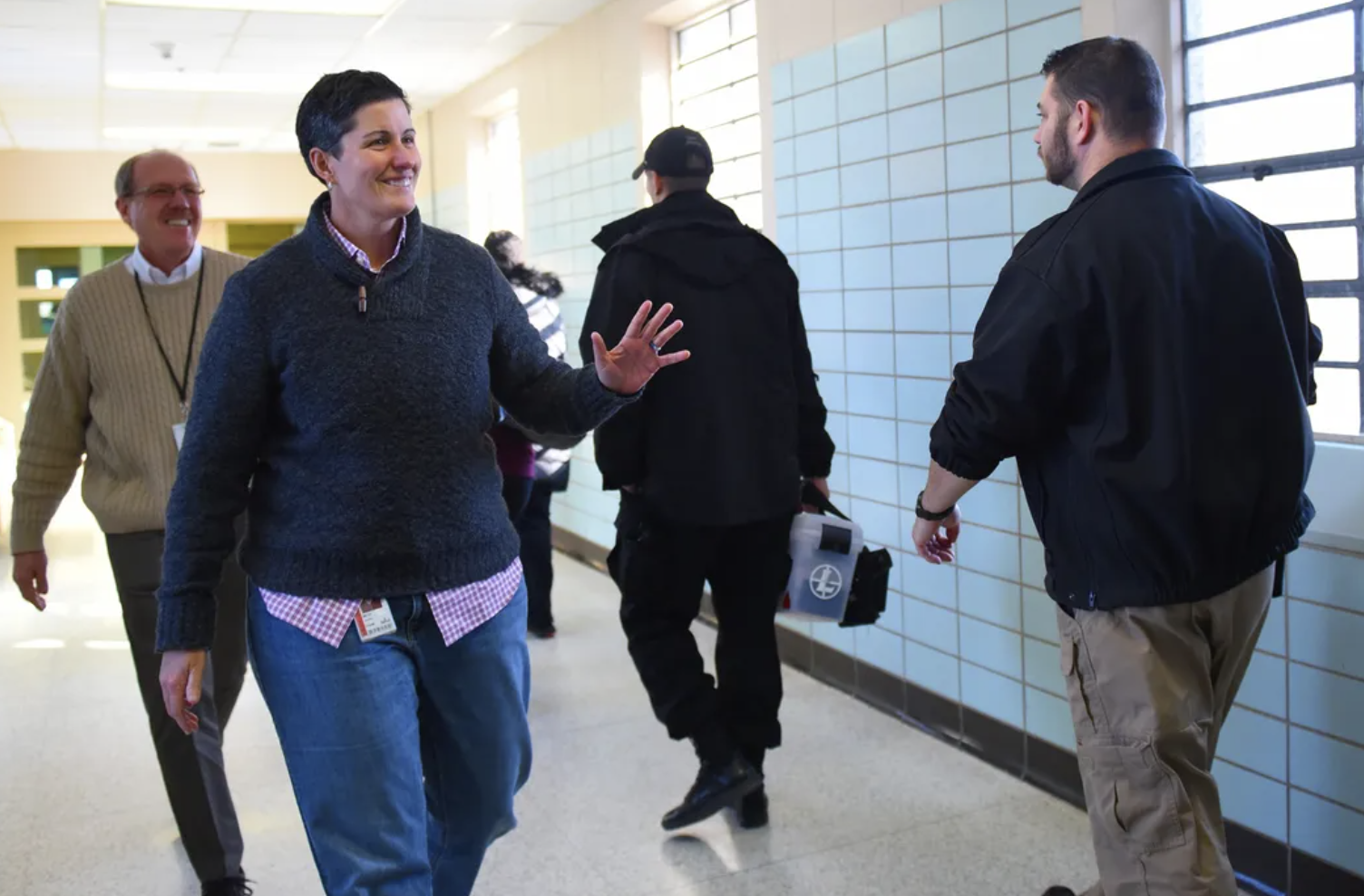
That same focus on people extends to how Skinner leads her own staff. In recent years, she has focused on building a culture around five core values—courage, trust, flexibility, innovation, and professional development—and introducing concepts like psychological safety into a field where such ideas are rarely discussed. Staff are encouraged to speak up, take risks, and "fail forward" rather than fear mistakes, creating what Skinner calls a learning organization. It's another example of how the people-centered perspective she developed through social work continues to shape how she leads.
A career that expands what social work can be
Skinner's career also challenges the idea that social work has a single destination. She sees opportunities throughout criminal justice—in corrections, courts, jails, and policy—as well as across government.
"There's such a big place for social workers in this field of criminal justice," she said. "We need those voices; we need that experience to keep things balanced."
"I tell people it's a broad field, and there are so many opportunities that the degree will give you," Skinner said. "And it's going to be a lens that's going to help and improve the community."
Unknown photographer: Photo courtesy of Beth Skinner