By Samantha Miller
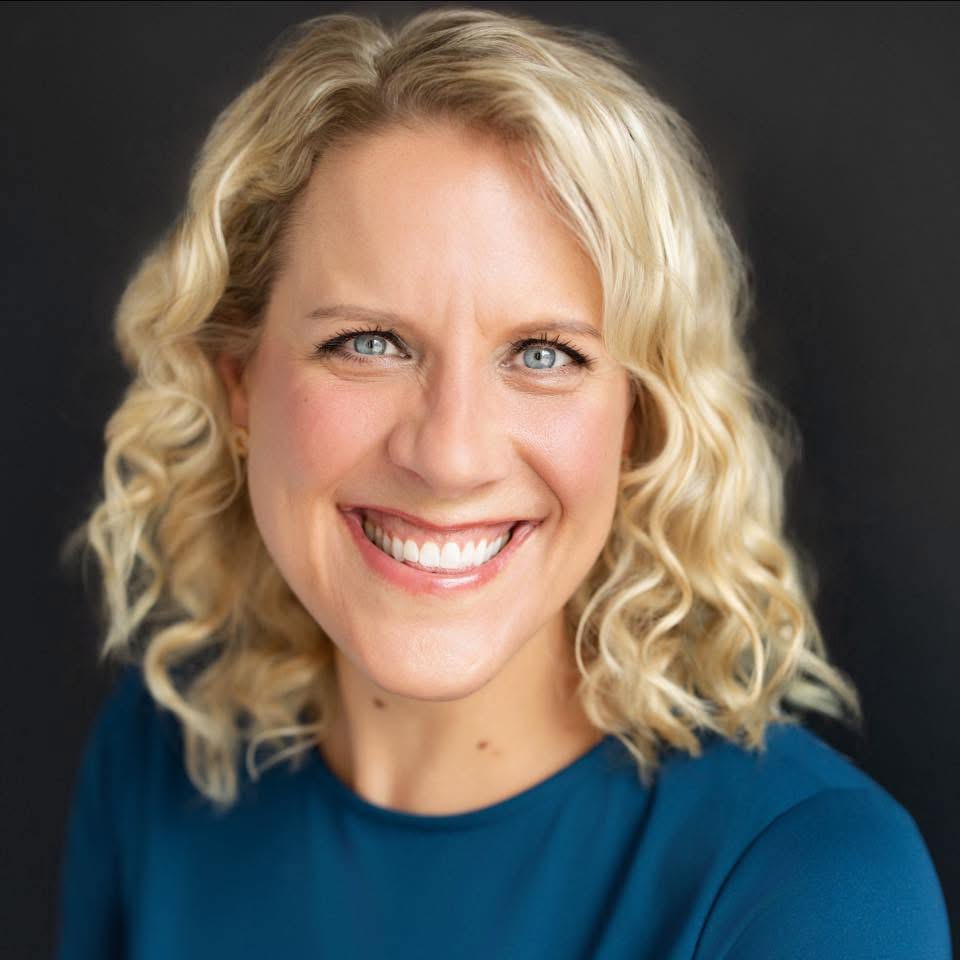
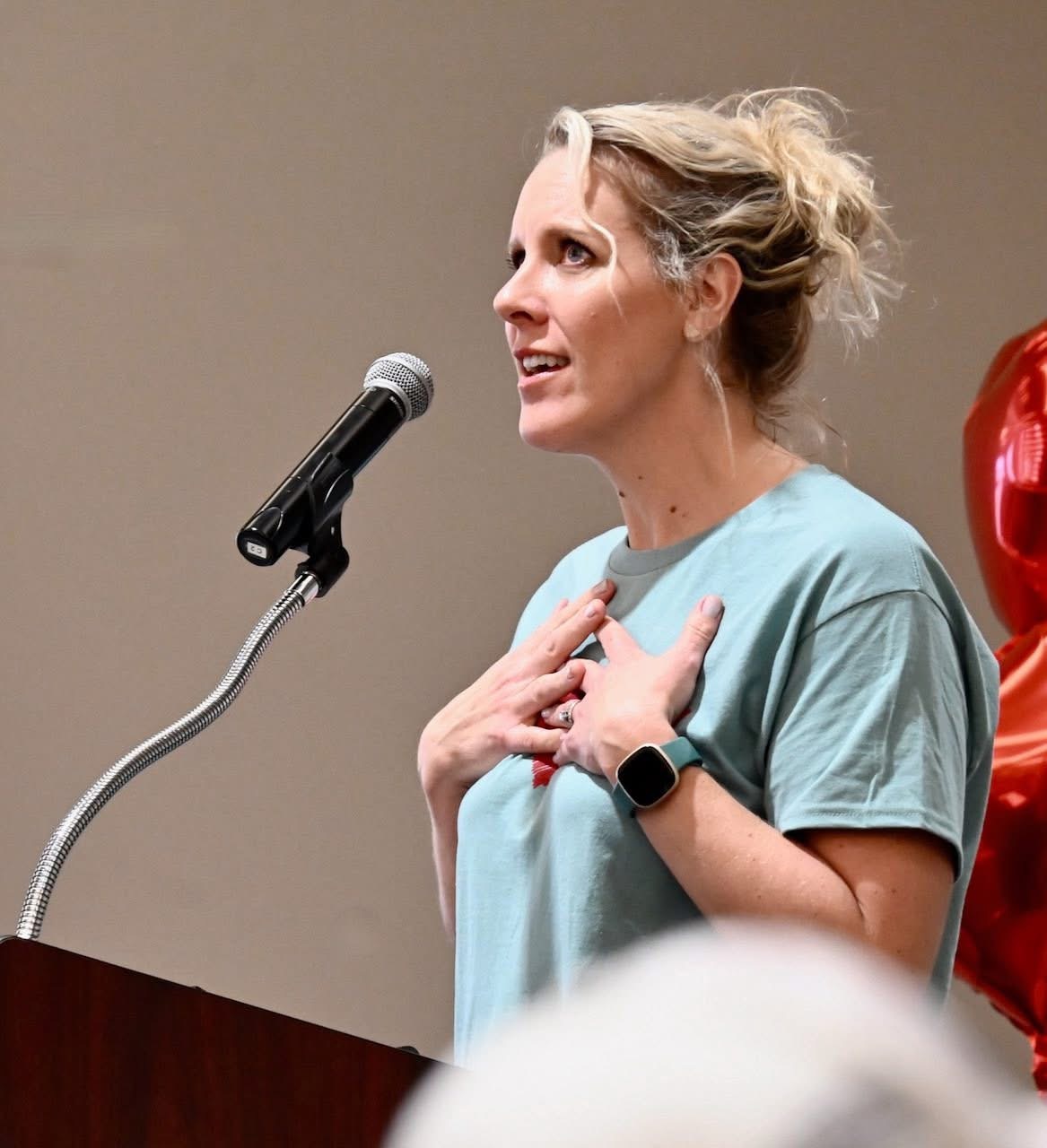
For eight years, Jennifer Skolaski has spent her workdays in rooms most people never have to enter — reviewing the lives and deaths of people lost to overdose. She works alongside law enforcement officers, public health workers, EMS crews, faith leaders, and recovery specialists to figure out what went wrong and how to stop the next death from happening the same way. As facilitator of the Winnebago County Overdose Fatality Review team in Wisconsin, she leads 46 partners across 33 agencies in a process built on a simple but demanding idea: treat the people behind the data as people, not statistics.
Skolaski earned a Bachelor of Social Work from the University of Iowa in 2005, where she was also a member of the Hawkeye women's swimming team. She then returned to her home state to earn a master's degree in human ecology and a PhD in community and nonprofit leadership from the University of Wisconsin–Madison. Today she owns Community & Nonprofit Leadership Consulting, where she helps Wisconsin communities confront complex social challenges—from poverty and domestic violence to substance use and trauma. These are deeply rooted issues with no easy solutions.
The work requires many of the same skills she first developed as a social work student: listening, relationship-building, critical thinking, and the ability to see both individual experiences and larger systems at work.
From early childhood policy to overdose prevention
Long before she was facilitating overdose fatality reviews, she was learning how communities function, and where they fall short. Skolaski's first job after graduating from Iowa wasn't in a hospital or a courtroom — it was at the Johnson County United Way, where she spent a year leading the organization's early childhood initiative. The work put her in the middle of two very different worlds at once: families navigating access to early childhood education, and employers trying to keep those same parents on staff.
It was there that she started seeing a pattern she couldn't unsee.
"Early childhood education is not just about access to care," she said. "It affects families, workplaces, and the long-term strength of an entire community. When we invest in children and families, we invest in the future. When we do not, communities often face the consequences later."
The recognition that one family's struggle to access early childhood education was really a symptom of something bigger became the lens she'd apply to every problem she took on afterward. Today, as facilitator of the Winnebago County Overdose Fatality Review team, she brings that same instinct to a very different crisis. Where her first job was about catching problems before they started, her current one is about understanding why prevention failed after the fact and turning those lessons into changes that strengthen the community's response before another life is lost.
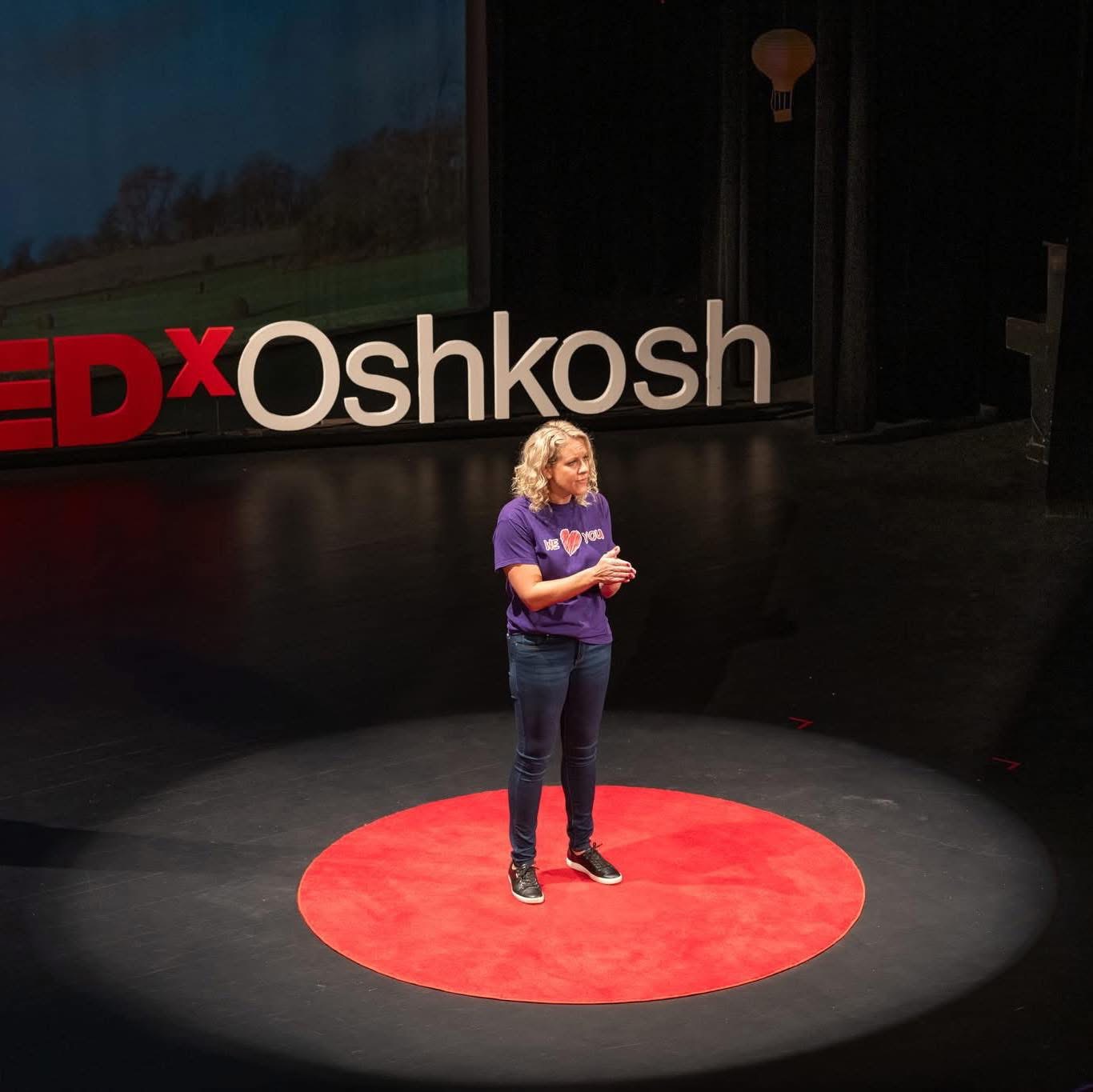
That work—turning loss into something the system could learn from—pushed her onto a TEDx stage in Oshkosh in 2023 to tell her community's story publicly for the first time in a talk titled "An Antidote for an Overdose Epidemic: We Heart You.” “It pushed me far outside of my comfort zone," Skolaski said, "but it gave me the opportunity to tell the story of my community and the people behind this work, to remind others that behind every statistic is a person, a family, and a community that matters."
A foundation built on discomfort, on purpose
Skolaski's first social work course at Iowa came with a lesson she's used in every step of her career since: attend a group or experience you don't belong to, without explaining why you're there, and reflect on what you learn. She chose a free lunch program and sat beside people who were mostly unhoused.
"That experience has stayed with me throughout my career," she said. "It taught me that we never truly know what someone is carrying, where they have been, or what they need unless we are willing to sit down, listen, and connect."
It wasn't a comfortable assignment, and that was the point. Iowa kept putting her in rooms where she didn't have the easy answer, and she learned to treat that discomfort as a signal to lean in rather than look away, the same instinct she now brings to a room full of agency partners reviewing a life lost to overdose.
Ask her what being a social worker actually means, and she doesn't talk about a job description.
"Being a social worker means leading with compassion, empathy, and curiosity," she said. "It means looking at problems differently and refusing to accept surface-level solutions when bigger change is needed. It's about addressing root causes, not just putting a bandage on the problem."
Her advice to students considering the field follows the same logic: it's not about picking the "right" specialty or the most direct path.
"A social work education teaches skills that can help someone lead, listen, problem-solve, advocate, and build trust," she said. "Those skills are valuable no matter what path someone chooses."