By Fatima Salinas
The Iowa Sciences Academy (ISA), part of the College of Liberal Arts and Sciences, has been reorganized to make its opportunities easier to navigate while continuing its mission of supporting student success in the sciences. The program now offers two main tracks that students can choose from or combine to further their career goals.
The first track, the Latham Science Engagement Initiative, focuses on science communication. Students in this track take courses designed to help them share complex scientific ideas with different audiences and can design their own communication projects with fellowship support.
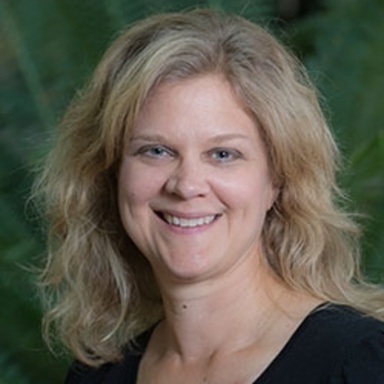
“This track supports students interested in developing science communication skills,” said ISA Director, Lori Adams. “It’s our traditional Latham Fellows Program, with courses and a fellowship to support their projects.”
The second track, the Science Alliance Internship, is aimed at students planning to pursue graduate school and research careers. It offers one-credit courses to help students explore career options, build professional skills, and receive financial support for research.
“Students end up doing research in lots of different laboratories on campus, so even though the program is housed in CLAS, we work with faculty from many colleges,” Adams said.
Whichever track students choose, they also gain access to ISA’s core opportunities, such as monthly professional development events and the annual Scholar Symposium. Students can even participate in both tracks over multiple years.
“We’re just trying to make it a little easier for students to navigate and choose,” Adams said. “They can actually do both tracks if they want to and be in the program for multiple years.”
ISA primarily recruits sophomores, though juniors and seniors are encouraged to apply as well. The application process is designed to be straightforward. Students respond to a few short essay questions, with no letters of recommendation required.
For Latham, essays focus on communication ideas and potential projects; for the Science Alliance, they ask about career goals and interest in graduate education.
Although the structure of ISA has changed, its purpose remains the same: helping students succeed in science. Whether by preparing for graduate school, pursuing a research career, or learning to share science with the wider world.
“We’ve made it easier for students to see what we offer, while still supporting them as they work toward their goals,” Adams said.