By Claire McGranahan
A major retrospective of early Weimar cinema—the golden age of German cinema between 1918 to 1933—will take center stage at the Giornate del Cinema Muto in Pordenone, Italy, this October, co-curated by University of Iowa Professor, Michael Cowan.
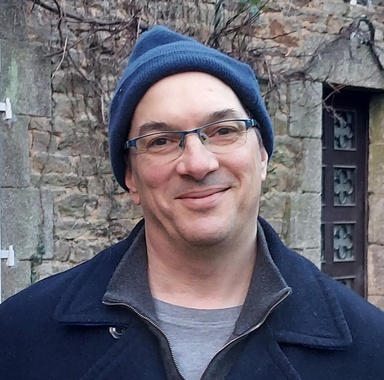
Cowan, film studies professor in the Department of Cinematic Arts in the College of Liberal Arts and Sciences, is helping curate the festival’s main retrospective, which focuses on films from the early years of Germany’s Weimar Republic. The series is expected to continue with a second installment in 2027.
The Giornate del Cinema Muto, also known as the Pordenone Silent Film Festival, brings together an international community of film historians, archivists, musicians, and audiences devoted to silent cinema. For Cowan, whose research includes Weimar-era film, the invitation represents an opportunity to bring his scholarship into one of the field’s most visible public settings.
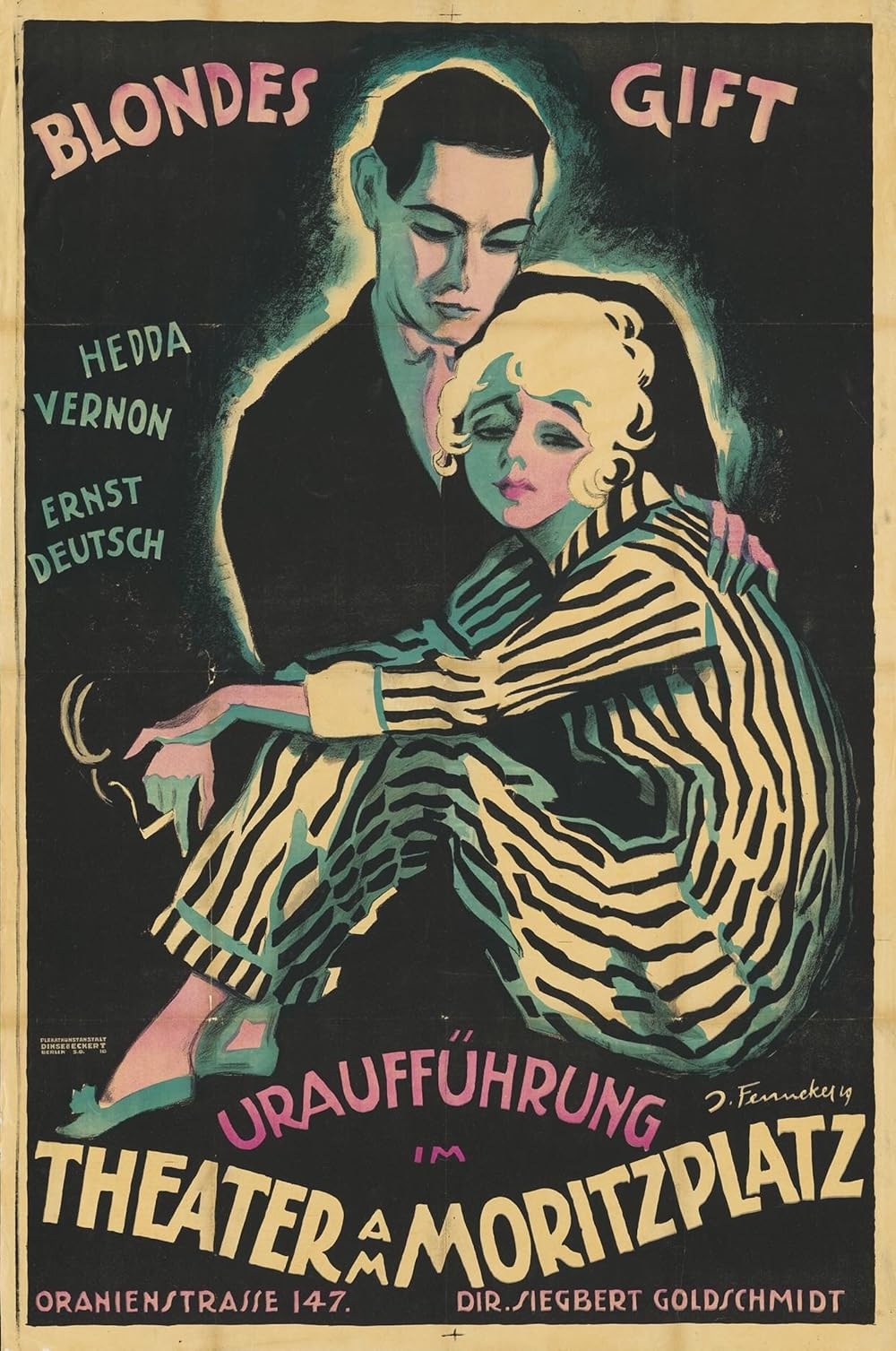
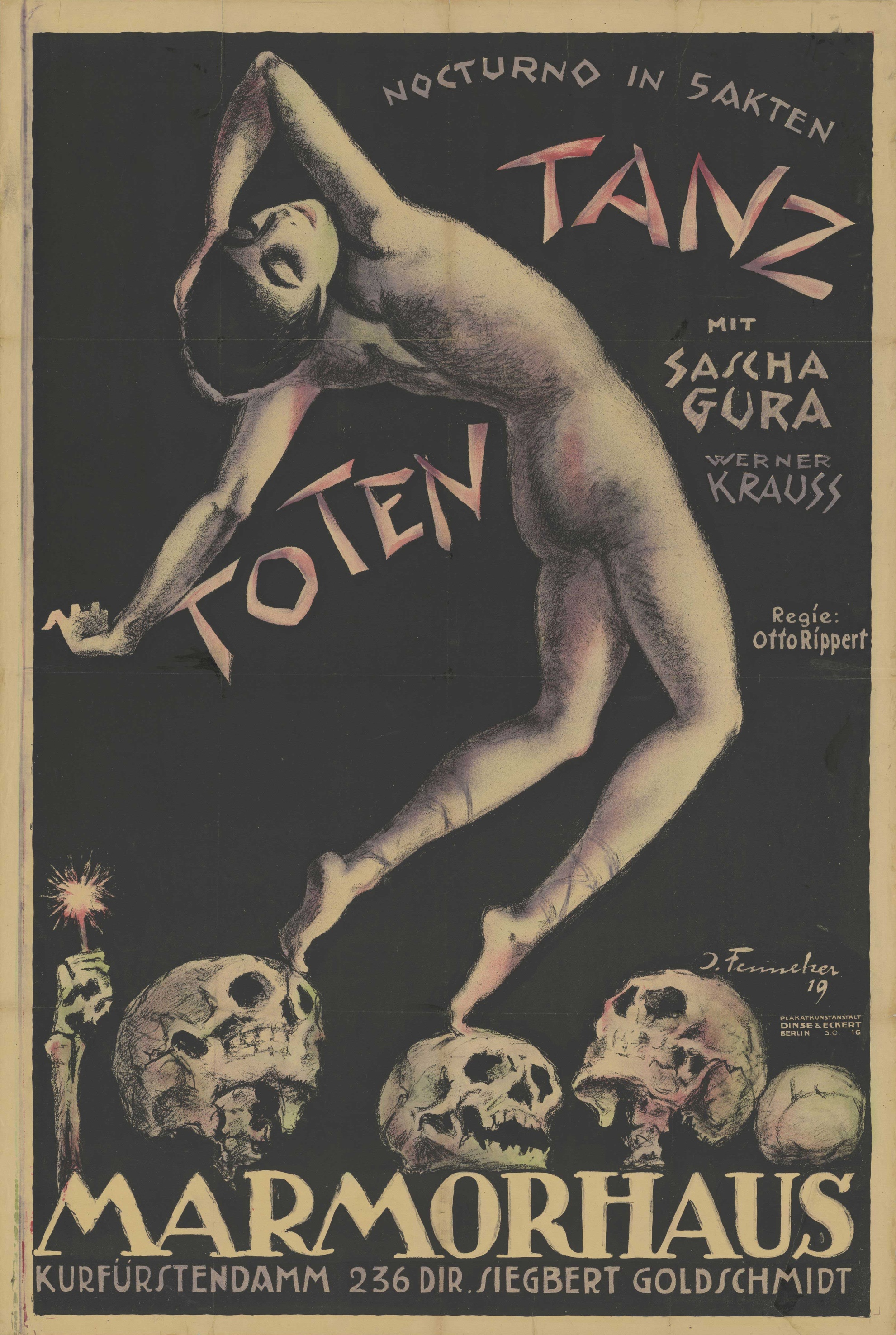
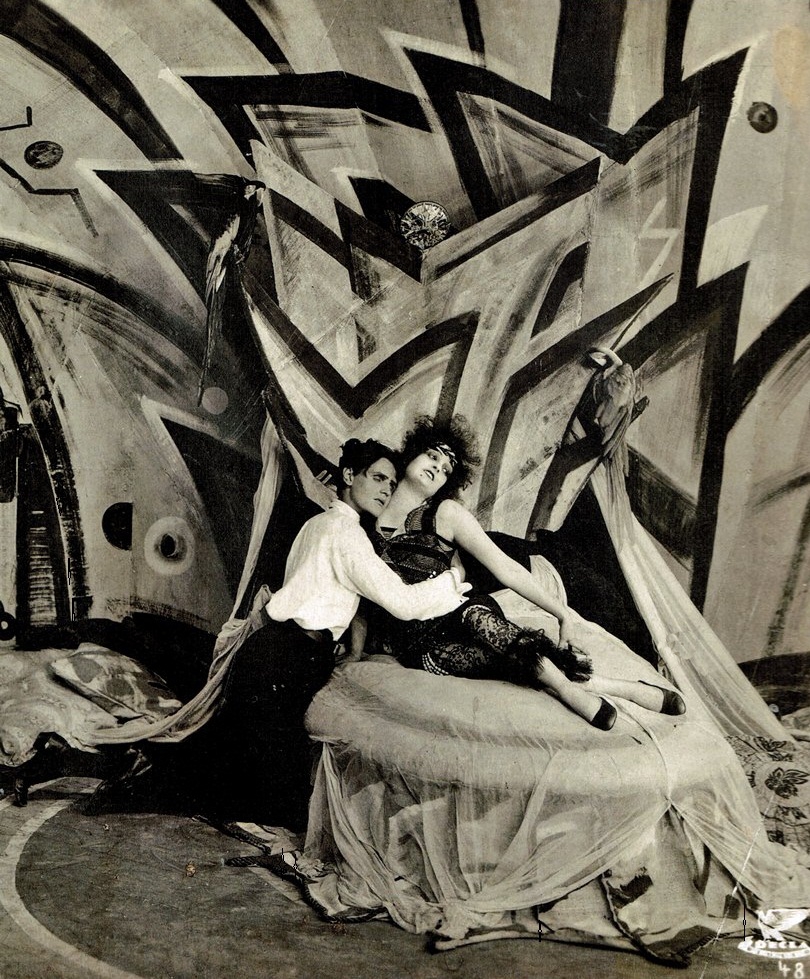
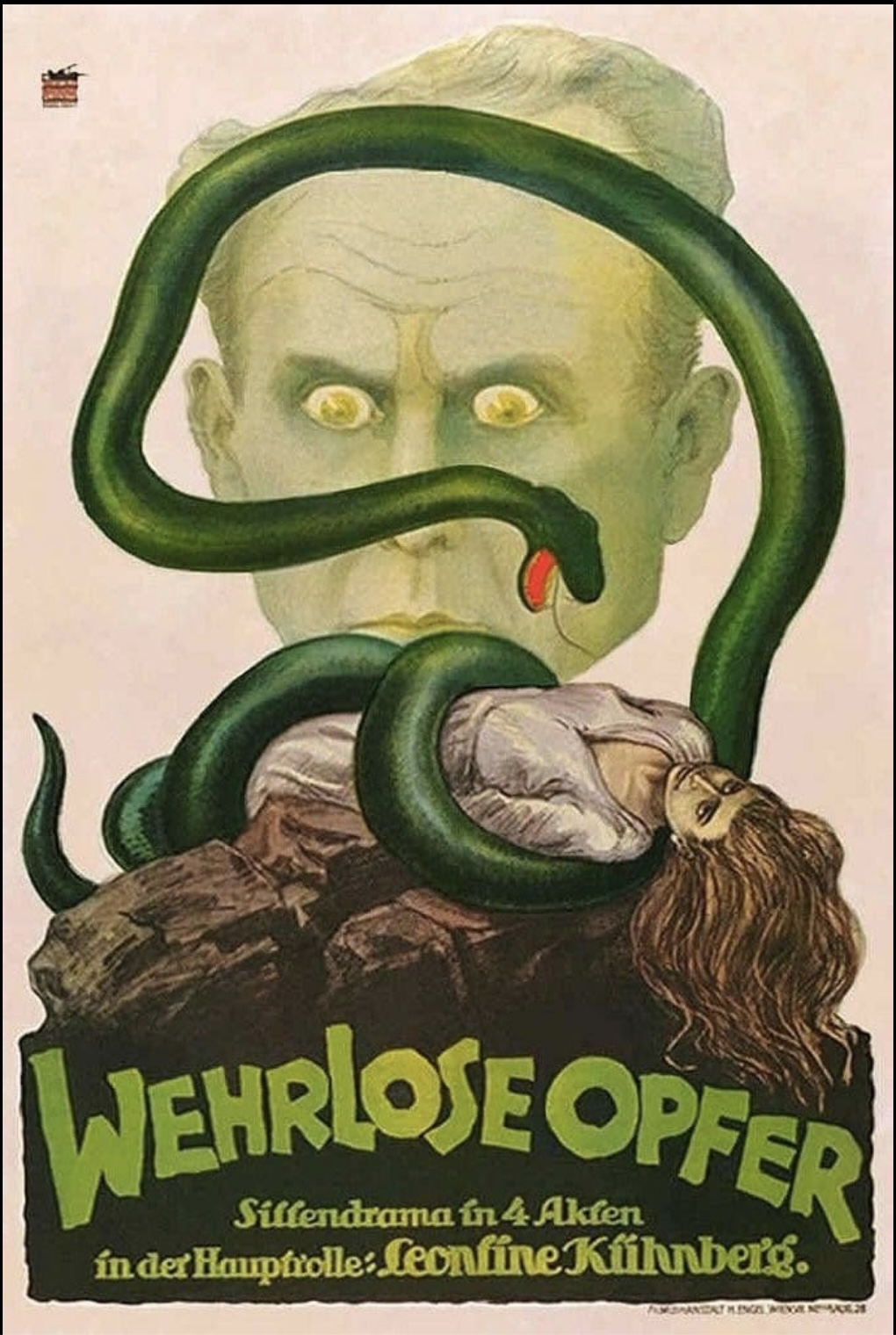
“For a historian of early cinema, curating a series at the Giornate is a dream,” Cowan said. “Weimar cinema is having a moment, perhaps in part because the Weimar Republic—history’s most emblematic fragile democracy—resonates with our own era of political instability and global realignment. Our series explores lesser-known films from the republic’s turbulent birth years just after World War I, when the temporary suspension of film censorship helped give rise to a wave of sensationalist films dealing with themes of crime, sex, intoxication, occultism, Satanism, and death. In some ways, these films have affinities with later ‘exploitation’ cinema, but their sensationalism also registers the profound uncertainty about the future that marked the period.”
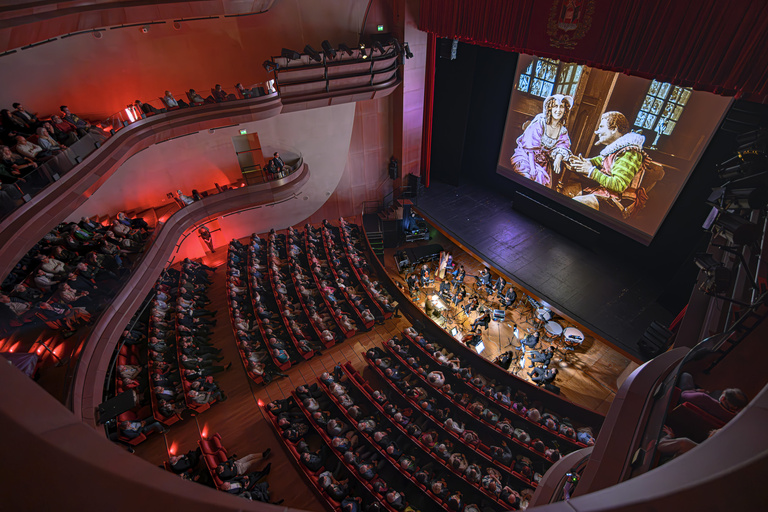
The retrospective also reflects the public-facing nature of film history. Silent films at the festival are presented with live musical accompaniment, making the experience a collaboration between historical research, curation, and performance. That intersection is also becoming a focus of new work at Iowa.
Cowan is collaborating with the College of Liberal Arts and Science’s School of Music on coordinated graduate courses centered on silent film performance. Jean-François Charles, associate professor of composition and digital arts, will teach a course on composing music for live film performance, while Cowan will teach a course emphasizing silent film curation. Students in the two courses will meet regularly, with plans to produce a mini film festival at the end of the fall 2026 semester.
“Silent film performance is a fantastic way to bring film heritage to life and make it matter for communities today, creating a space where something happens in real time,” Cowan said. “This collaboration between Film Studies and Music seeks to create such a space while also promoting the famous ‘Iowa Idea’ of critical and creative cross-pollination.”
The collaboration builds on other recent silent film work involving Iowa faculty and alumni. This summer, Charles and University of Iowa alum, Ramin Roshandel (PhD ’24), participated in an artist residency in France and performed a new score for Lotte Reiniger’s pathbreaking 1926 feature-length animated film The Adventures of Prince Achmed at the Marées Max festival of digital arts. Cowan attended the festival to provide a scholarly introduction to the film.
Together, the projects connect research in film history with the practice of presenting silent cinema for contemporary audiences. They also create opportunities for students in different disciplines to participate in that work themselves.
For Cowan, the international retrospective and Iowa-based collaborations are connected pieces of a larger effort to explore what silent cinema can offer audiences today.
“I’d be thrilled if this project could help enhance the presence of creative engagements with film heritage in Iowa City,” Cowan said. “Some of that is already happening, and Jean-François Charles has been particularly active in promoting silent film performance. Beyond musical composition, there are also lots of possibilities for filmmakers, performers, writers and other artists to dig into this material. I’d also love to see Iowa’s Film and Music programs develop more pipelines for student collaboration at all levels–that’s such a natural fit!”