By Fatima Salinas
For Hyaeweol Choi, studying Korea means studying the connections that link people, ideas, and traditions across borders. Her research follows those connections through gender, religion, food, and everyday life, while her work at the University of Iowa creates new connections between students and scholars.
Following ideas across borders: Unexpected discoveries
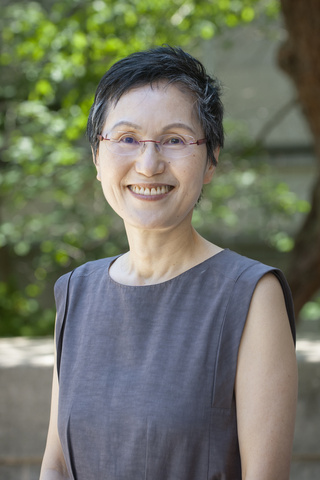
Choi is a professor in the Department of Classics and Religious Studies. Her research explores how gender, religion, empire, modernity, food and the body, and cross-cultural encounters have shaped Korean history and everyday life.
Although her research varies, Choi is mostly interested in how people, ideas, and traditions move between cultures and how those movements shape everyday experiences.
That interest first grew from an unexpected discovery. In 1996, while teaching at Smith College, Choi visited the Sophia Smith Collection, an archive of women’s history. There, she discovered private letters written by American women living overseas in the late 19th century.
The letters led her to investigate the experiences of American Protestant women missionaries in Korea and their encounters with local Koreans. That research became a study of how ideas about modern womanhood developed during a period shaped by Korean reform movements, Confucian traditions, Christian influence, and Japanese colonial rule.
More than two decades later, another unexpected discovery led Choi in a similar direction.
In 2019, while looking for a Korean recipe, she came across The Art of Korean Cooking, a cookbook written by Harriett Morris. Morris was an American Protestant missionary and home economics professor who worked in Korea from 1921 to 1940.
What began as a search for a recipe evolved into a broader project exploring gender and the politics of everyday life, as well as the movement of people, ideas, and materials across the Pacific.
Choi is now completing Making Life with Food: Gender and Everyday Politics in Transpacific Korea, which uses food and cooking to explore how gender roles and everyday life have changed from the early 20th century to the present.
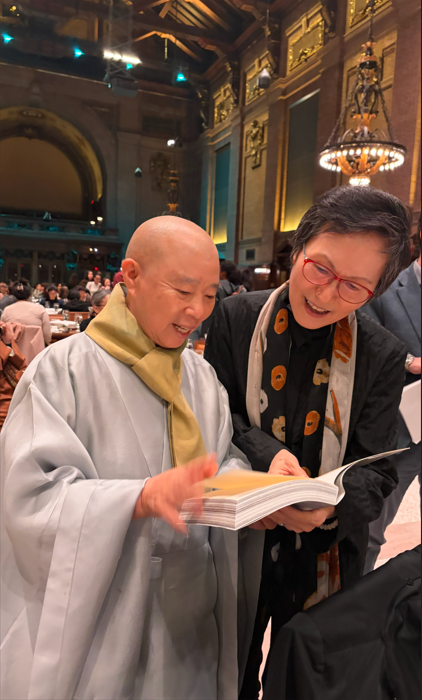
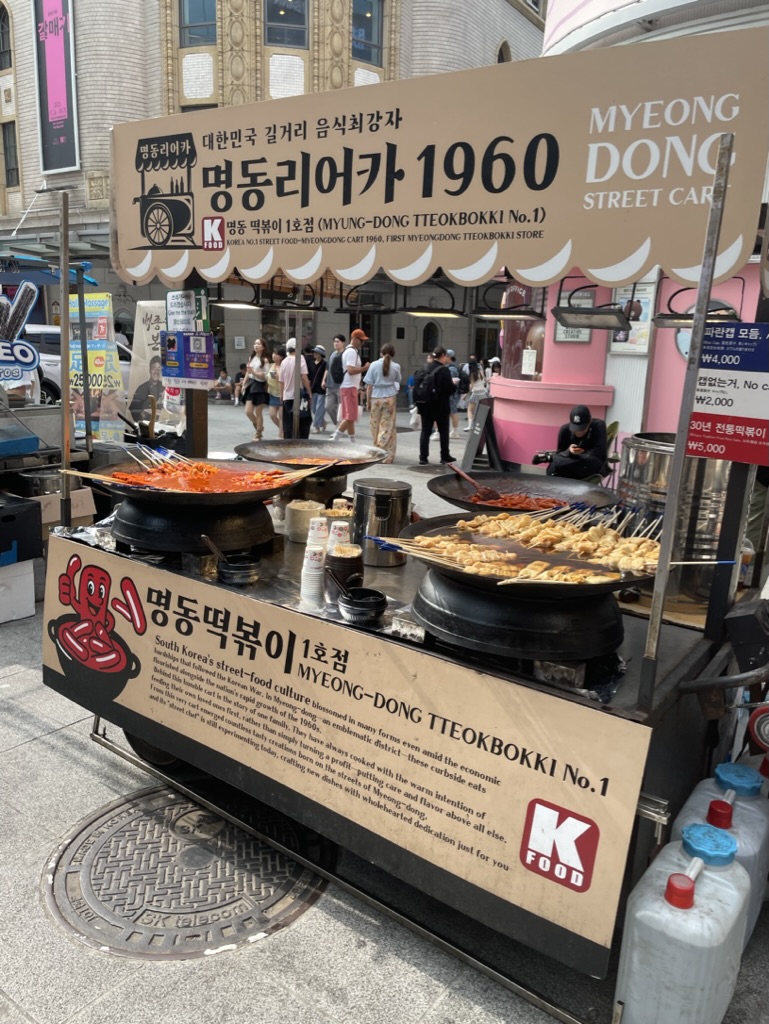
“I believe that the most mundane aspects of life, eating and cooking, for example, can provide a powerful entry point into much larger socioeconomic, cultural, and global systems,” Choi said. “In my current book manuscript, I examine home cooking, street food, Buddhist temple food, and diasporic foodscapes to bring forward the lesser-known life stories of ordinary people, including housewives, street food vendors, immigrants, and Buddhist nuns.”
Building connections closer to home
At the University of Iowa, Choi values the Department of Classics and Religious Studies’ range of expertise, which brings together scholars who study different cultures, histories, and religions across time and place.
She also founded the Korean Studies Research Network at the University of Iowa in 2019, connecting scholars and graduate students across the Midwest and creating opportunities for collaboration, mentorship, and public engagement.
Through her courses, Choi encourages students to look beyond Korea as a subject and consider how cultures and experiences connect. In courses such as RELS:2674 Food, Body, and Mind: A Global Perspective, she hopes students develop a better understanding of different cultures and a broader view of the world.