By Fatima Salinas
For Elizabeth Rodriguez Fielder, curiosity has often been a way of finding connections. Her interests have taken her from literature to visual culture, from labor and immigrant communities to the history of the Civil Rights Movement.
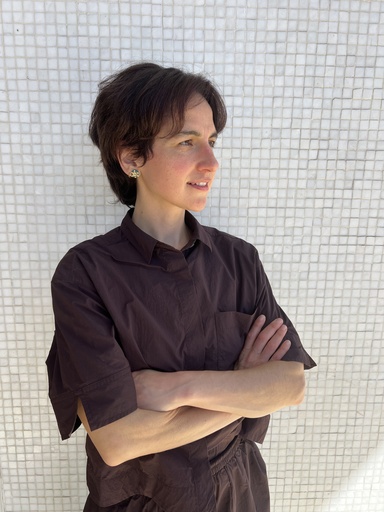
As an associate professor in the College of Liberal Arts and Sciences’ departments of English and American Studies, Rodriguez Fielder specializes in Latinx studies and explores literature, art, activism, and the different ways people communicate and understand the world around them.
Her scholarship and teaching encourage students to look beyond traditional approaches and ask questions that lead them somewhere new.
Rodriguez Fielder’s own journey reflects that same curiosity. Growing up in an immigrant household where English was her second language, she was not always confident in her writing or her command of English.
Instead, that experience pushed her to lean into language and understand how it worked. She first found her voice through creative writing and poetry before following her interests in unexpected directions.
In New York, she studied labor and immigrant communities. In Mississippi, she discovered the rich archives of the Civil Rights Movement and became interested in the role of art in activism, particularly artistic experimentation that she felt had not received enough attention.
Her research eventually led her to study activism in the South, bringing together her interests in literature, history, art, and social movements.
For Rodriguez Fielder, literature is one way of understanding the world, but it is not the only one. Her work has expanded to include visual culture and other forms of communication, reflecting her interest in how different forms of artistic expression can help people understand history, communities, and social movements.
That interest grew from her research in Mississippi, where she began paying closer attention to the role of art and artistic experimentation in civil rights activism.
That same perspective extends into her classroom. At Iowa, Rodriguez Fielder has found the freedom to create courses that encourage students to experiment with ideas and think beyond traditional academic boundaries.
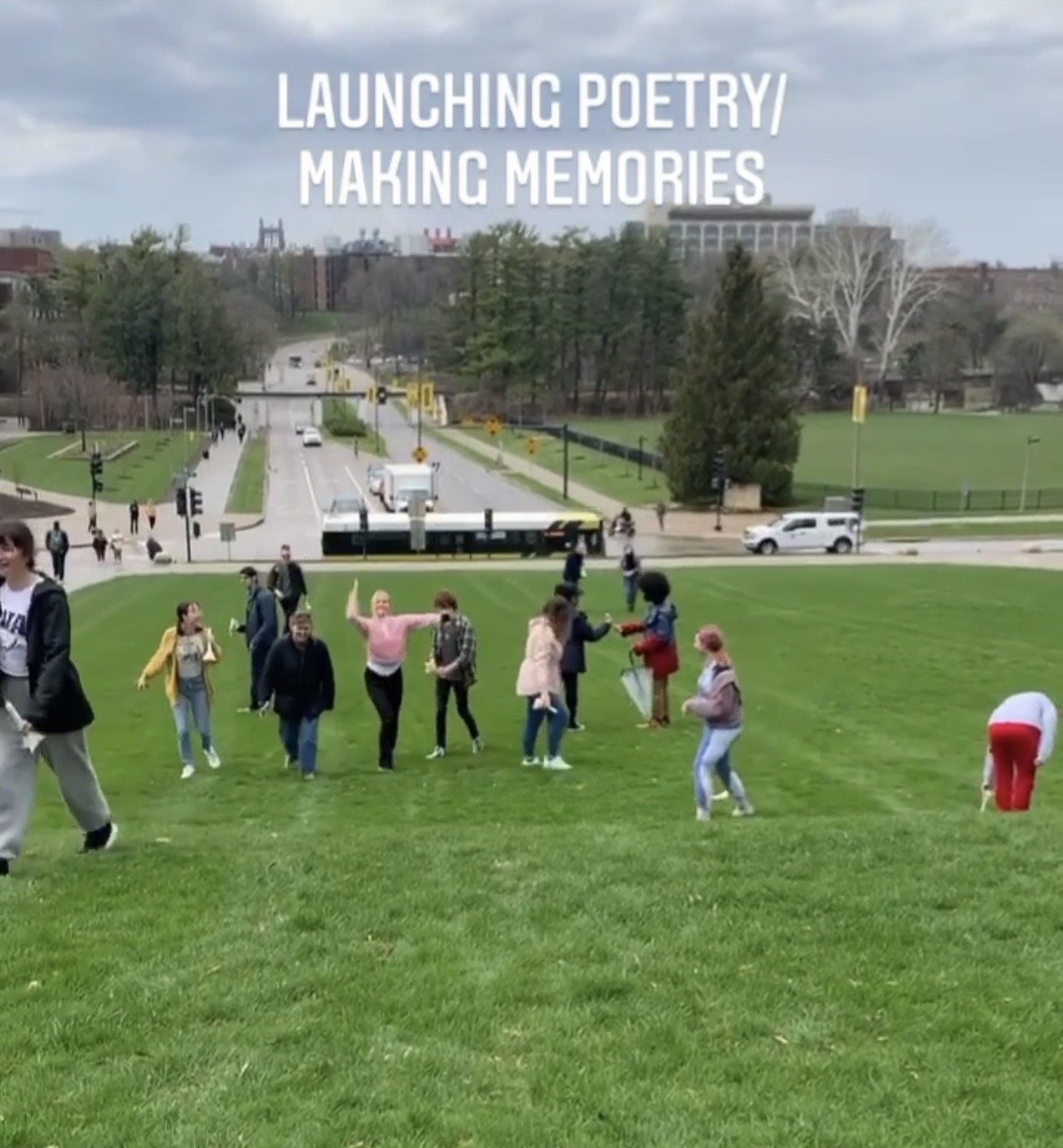
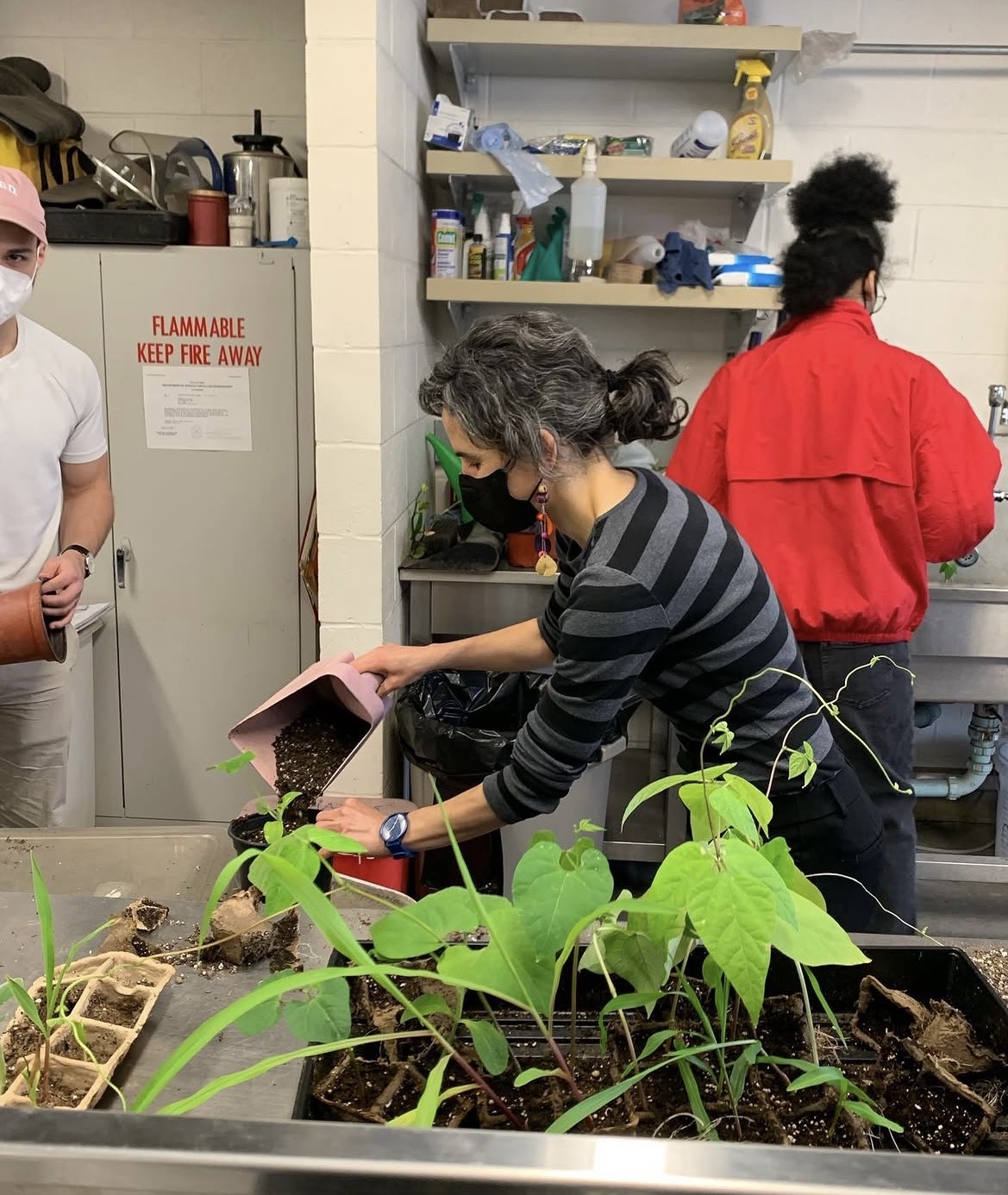
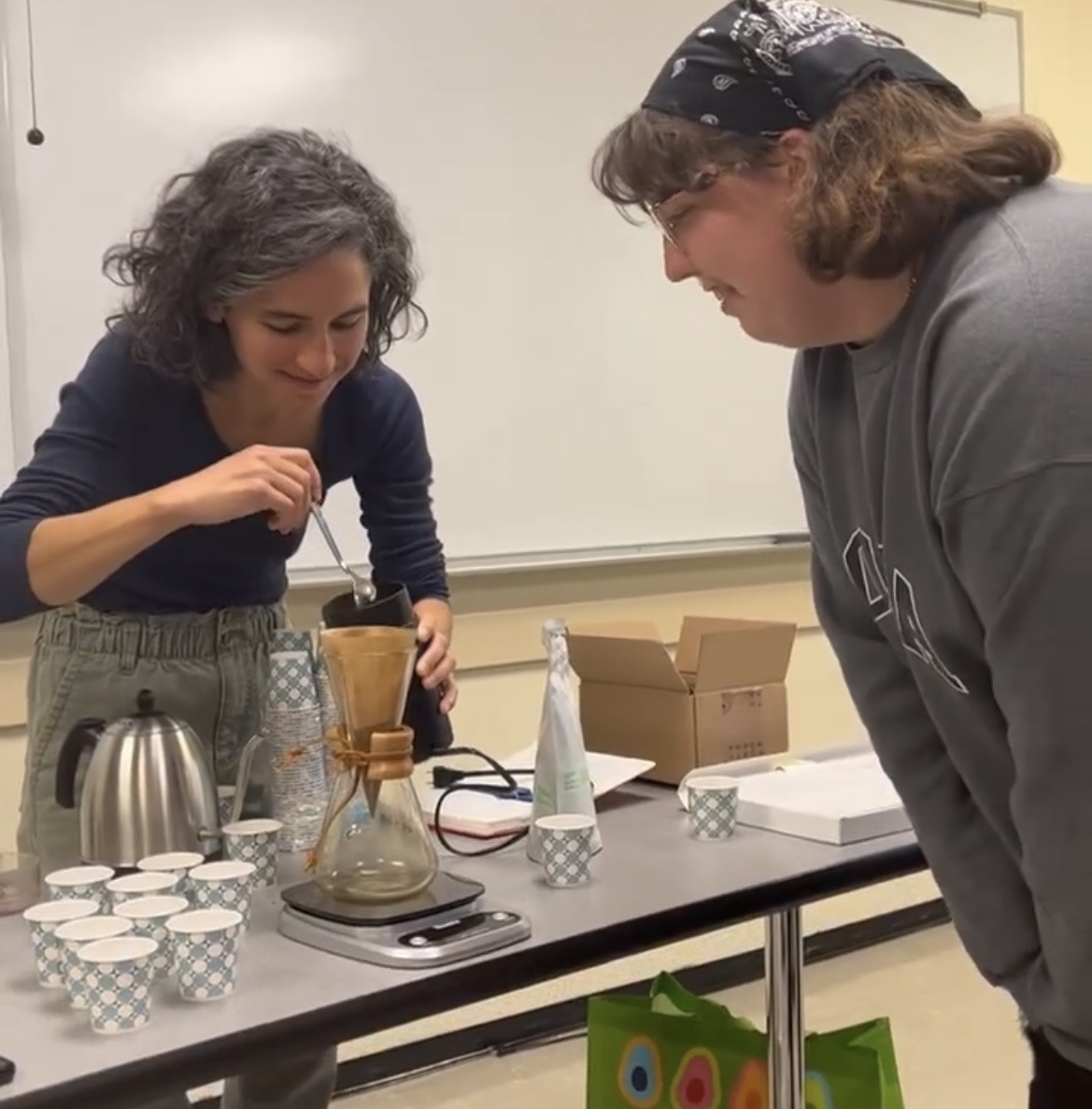
One semester, students paired writing with gardening. In another, they researched and made coffee. In other courses, students have created video art, performances, and even a puppet show as creative projects. For Rodriguez Fielder, these unexpected turns allow students to move beyond the traditional five-paragraph essay and take creative risks.
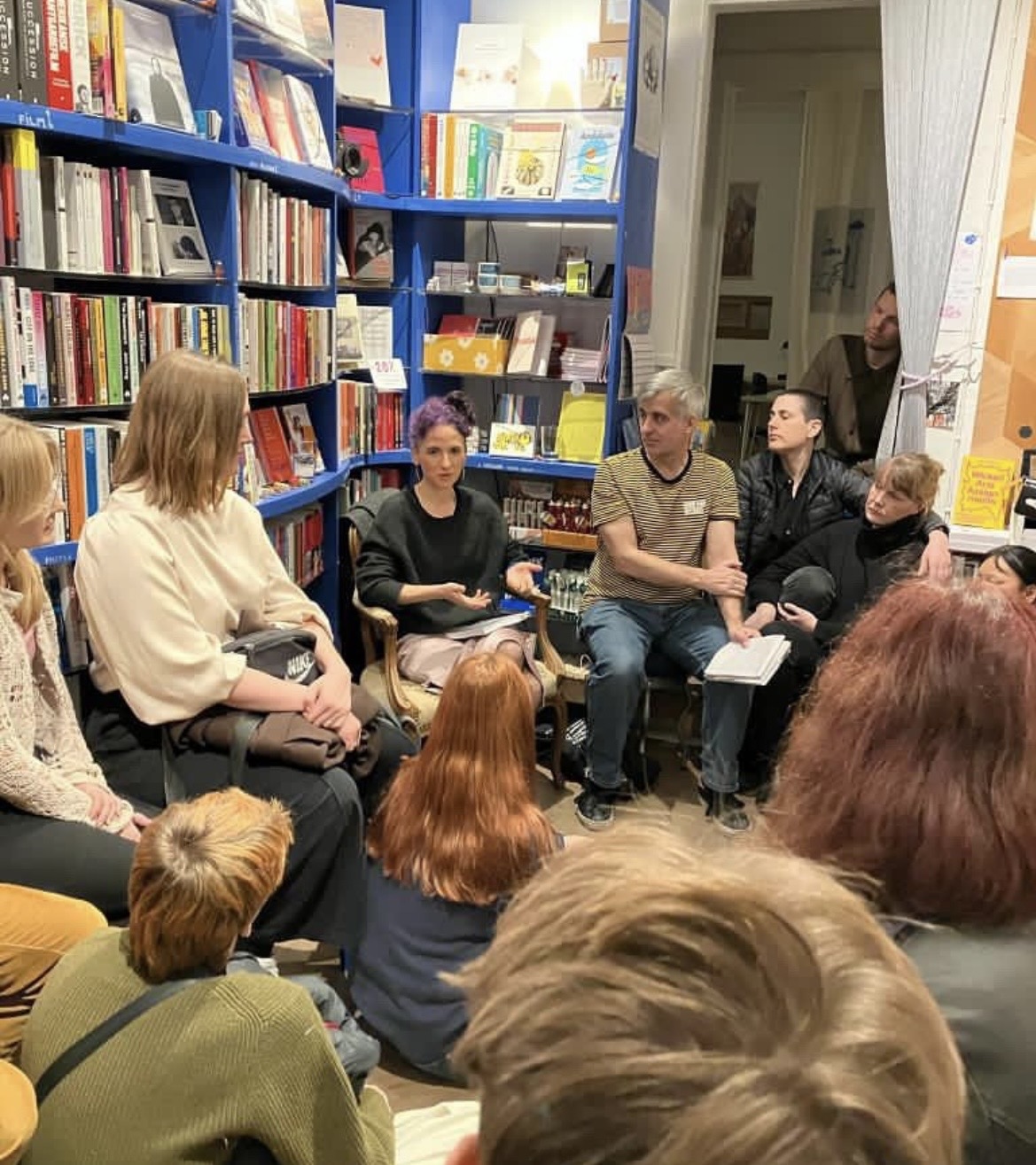
That creativity is also supported by the broader Iowa City community. Rodriguez Fielder values the city's culture of writing and the arts, where organizations such as Porchlight and Public Space One create opportunities for storytelling and creative work beyond the university. For her, that connection keeps her work in conversation with people outside the university and reminds her that writing and literature do not have to remain behind campus doors.
For Rodriguez Fielder, curiosity is part of the creative process. She wants students to move beyond the pressure to produce something polished and instead take risks, experiment, and ask questions they might not otherwise consider. It is a practice she hopes they carry with them beyond the classroom.
“I hope that they remember to ask harder questions,” Rodriguez Fielder said. “Just ask harder questions and ask weirder questions. When they think they’re done asking the question, ask it again.”