By Bri Brands
On July 23, 2025, the University of Iowa made history when the TRACERS spacecraft, containing two identical satellites designed by a UI-led team of scientists and engineers, launched into orbit.
TRACERS (Tandem Reconnection and Cusp Electrodynamics Reconnaissance Satellites) is a satellite mission that studies the mysterious, powerful interactions between the magnetic fields of the sun and Earth.
The $170 million mission, completed for NASA, is the largest external project ever brought to the University of Iowa.
Following the success of the launch, the seventh floor of Van Allen Hall is undergoing a renovation–supported by $7.2 million in university funds and a $670,000 grant from the Roy J. Carver Charitable Trust–and will soon be home to the Iowa Spaceflight Laboratory.
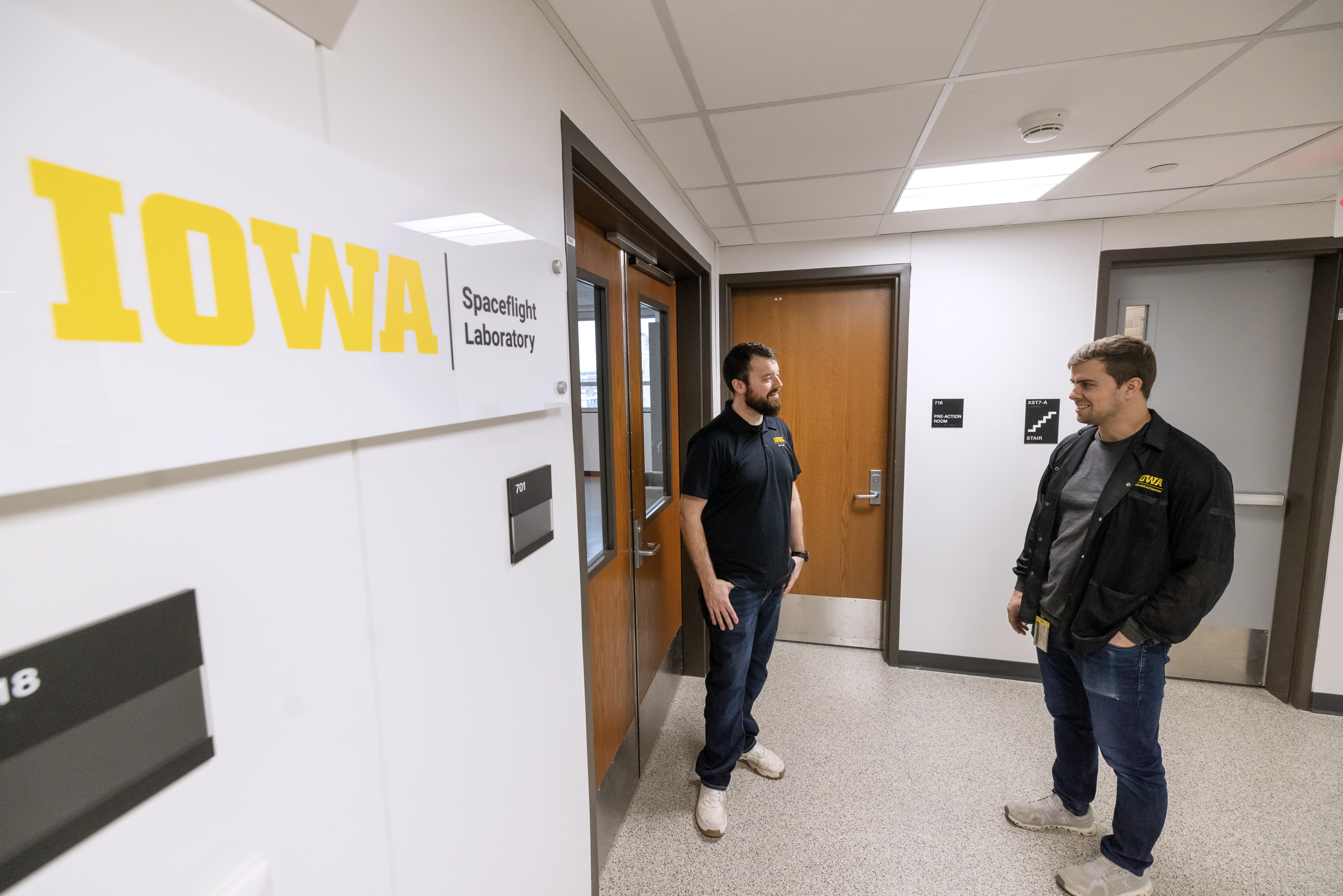
The Iowa Spaceflight Laboratory (ISL) will allow staff from the TRACERS mission to stay on as Iowa staff, enabling the Department of Physics and Astronomy to pursue bigger and better projects.
The department has a long history of developing spaceflight instrumentation for exploration of the Earth, dating back to 1958, when Professor James Van Allen helped put a cosmic ray instrument on Explorer 1, the first orbiting spacecraft launched by the United States.
“Our department has either built instruments or entire packages of instruments for things that orbit the Earth for over 100 different missions over the course of our history,” Greg Howes, Department of Physics and Astronomy professor and departmental executive officer, said. “We have a long and storied tradition of doing this and have always depended on excellent faculty.”
For the TRACERS mission, the department built up a large team of engineers and technical staff to aid with executing the mission and testing instruments. As the mission continued, members of the department knew they wanted to maintain that staff after the mission was complete.
When mission development for a project such as TRACERS is over, the project transitions into science operations and does not call for such a large team.
“It’s a much smaller team of people required for that, so where does the funding to keep these valuable people around come from?” Howes said. “In order to sustain that really valuable and experienced group of engineers and technicians, it's critical to have a steady stream of income into the department.”
The department took note of this issue, and worked with CLAS and the Office of the Executive Vice President and Provost to develop the ISL.
The completion of the ISL will reorganize the team under a shared service center, and the unique facilities provide opportunities for other institutions to engage the ISL to test their instruments, helping to provide funding to keep all team members on staff.
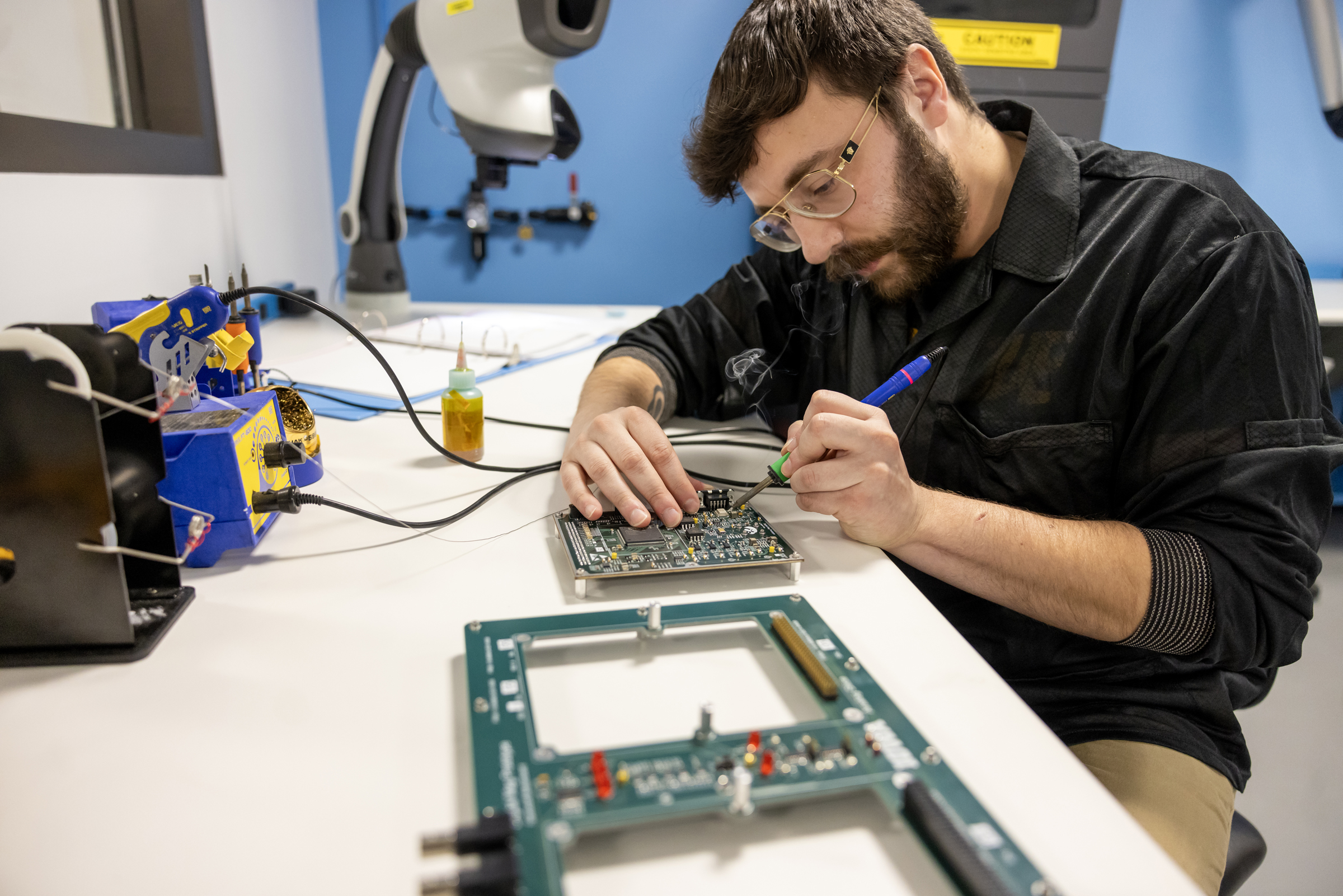
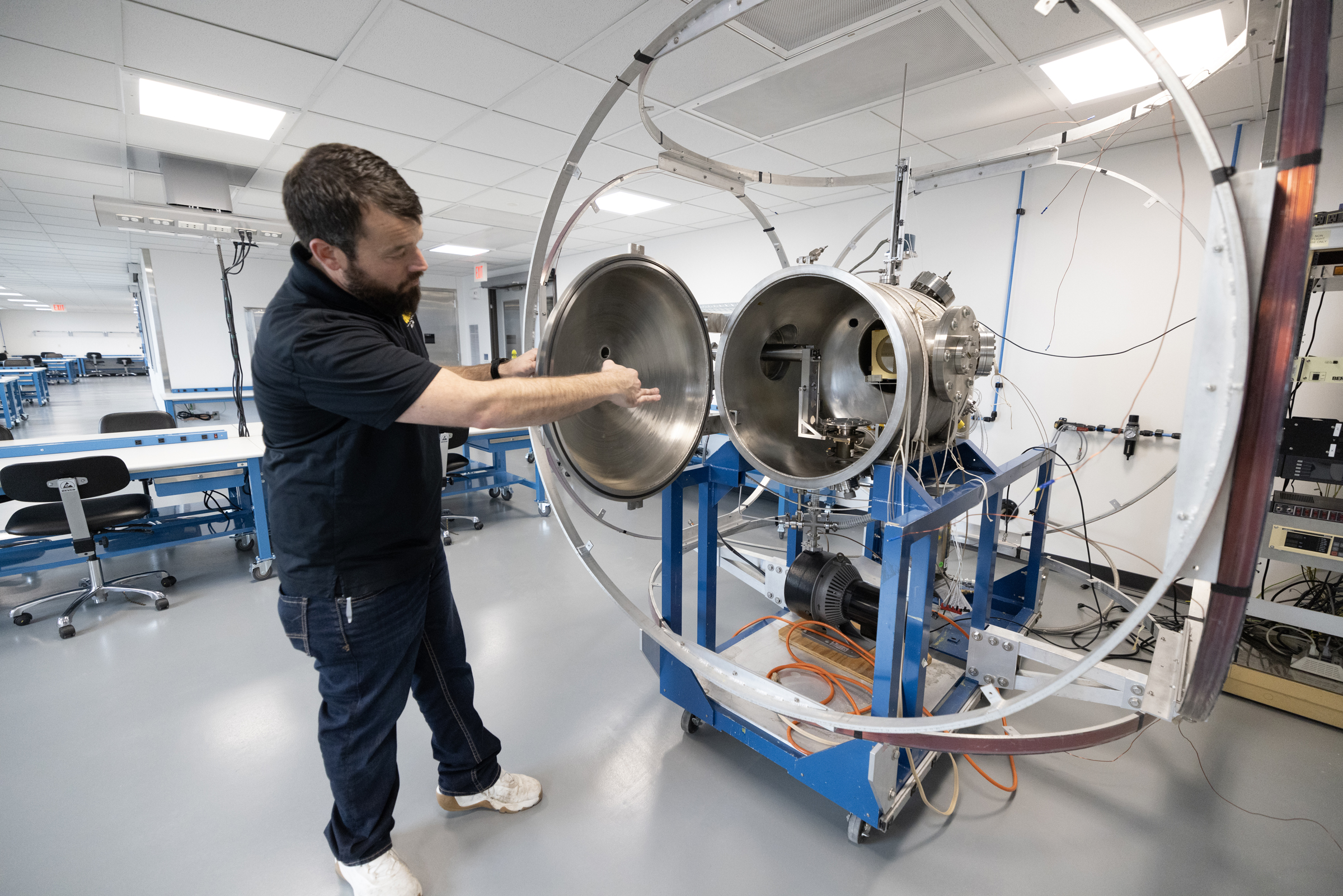
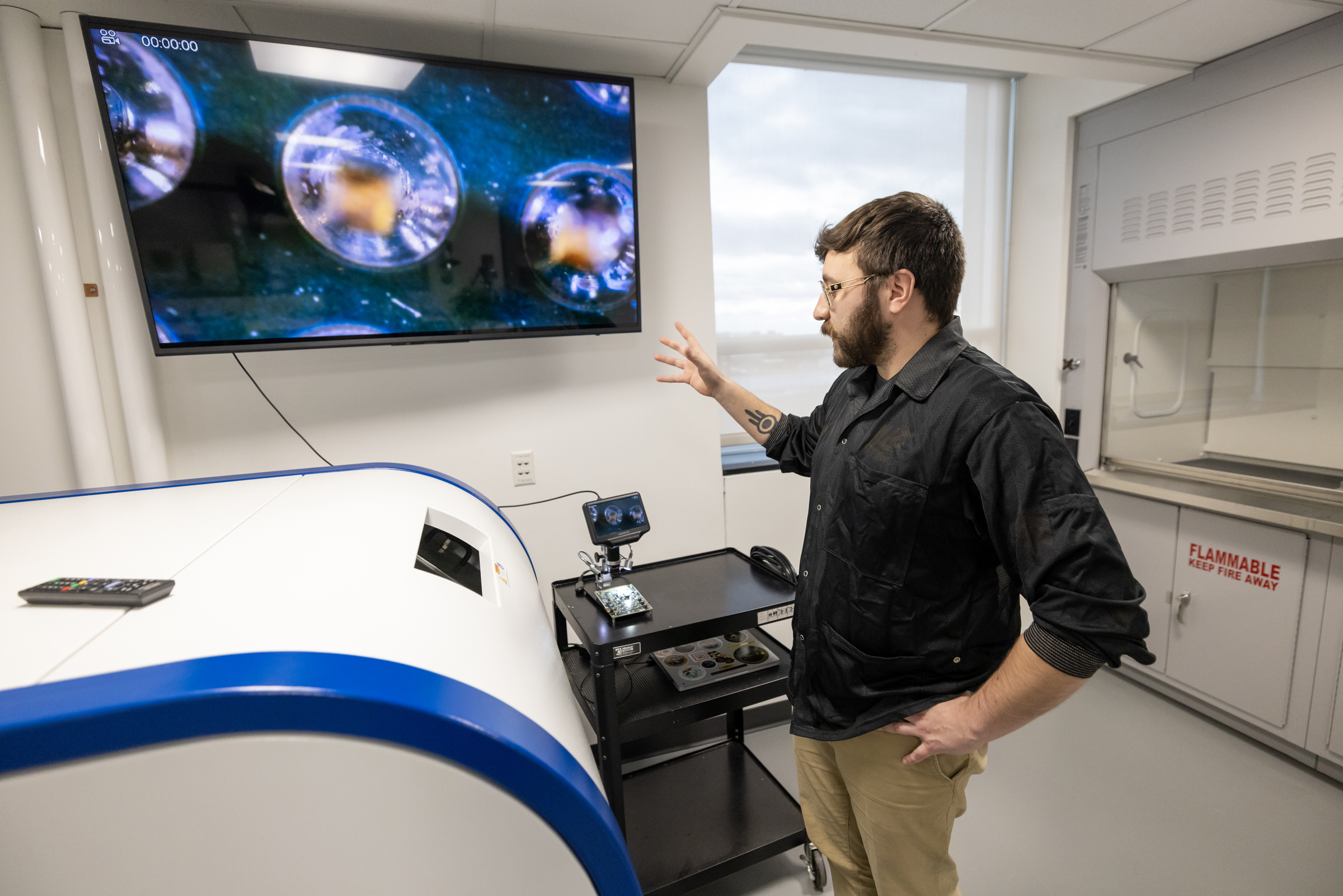
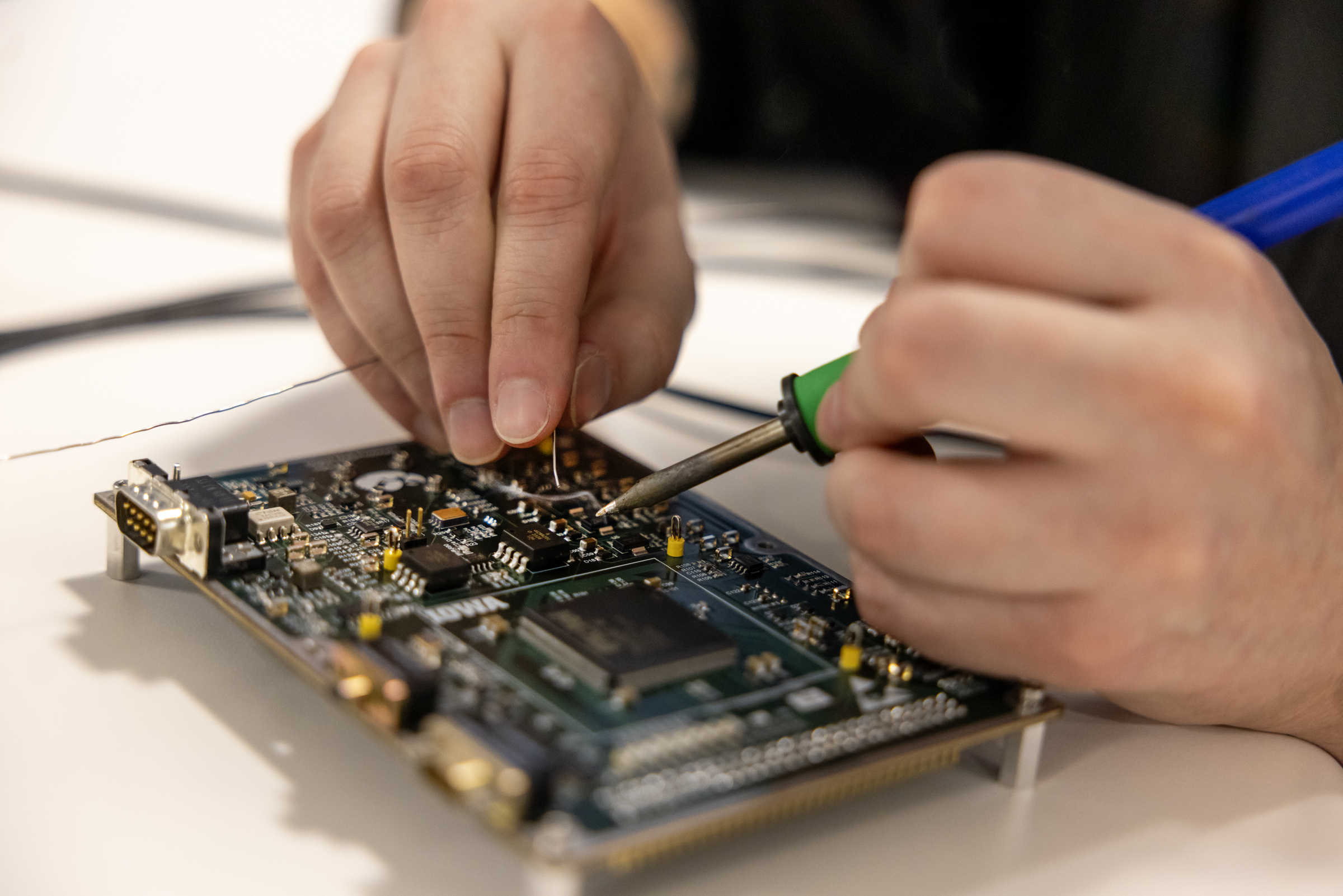
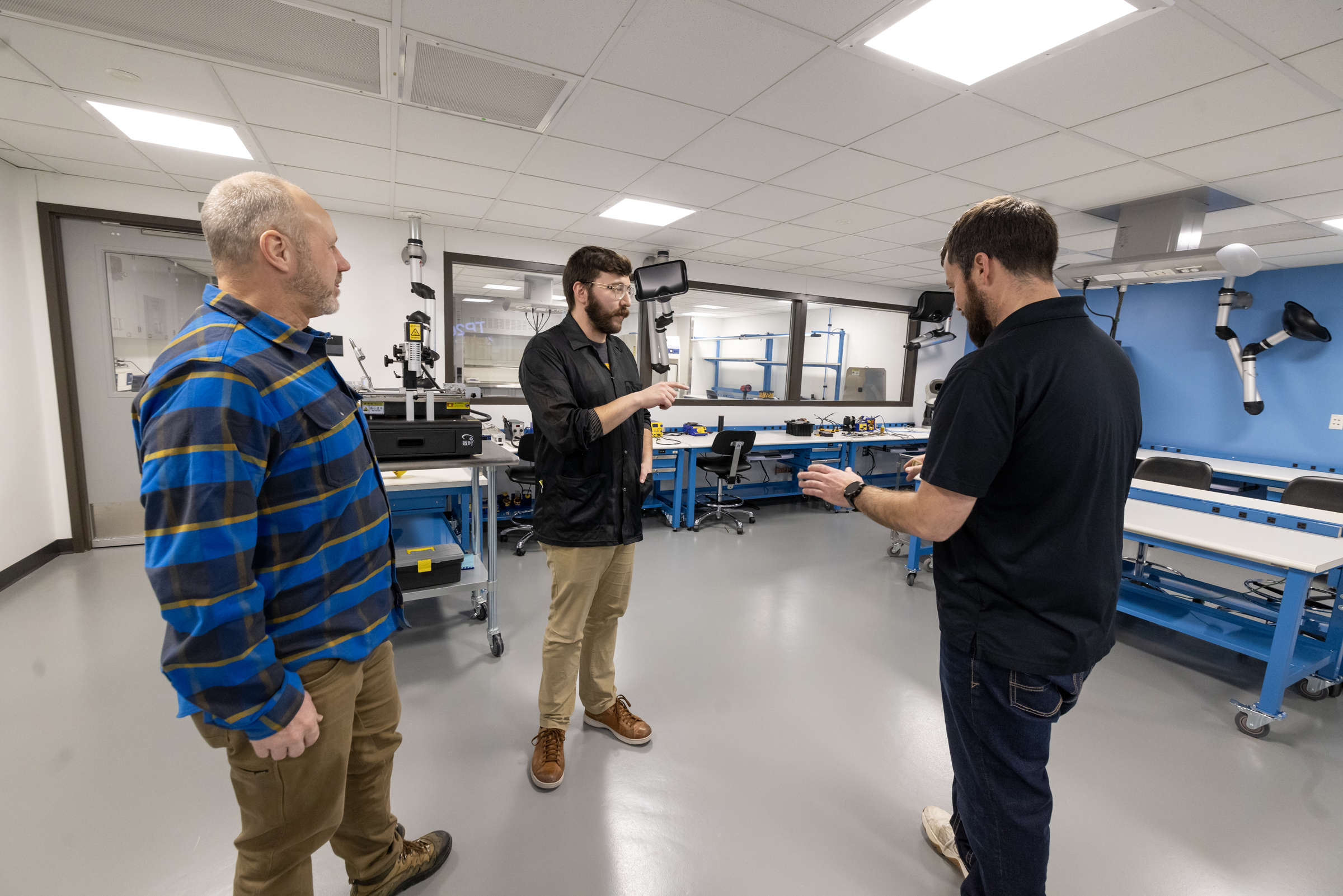
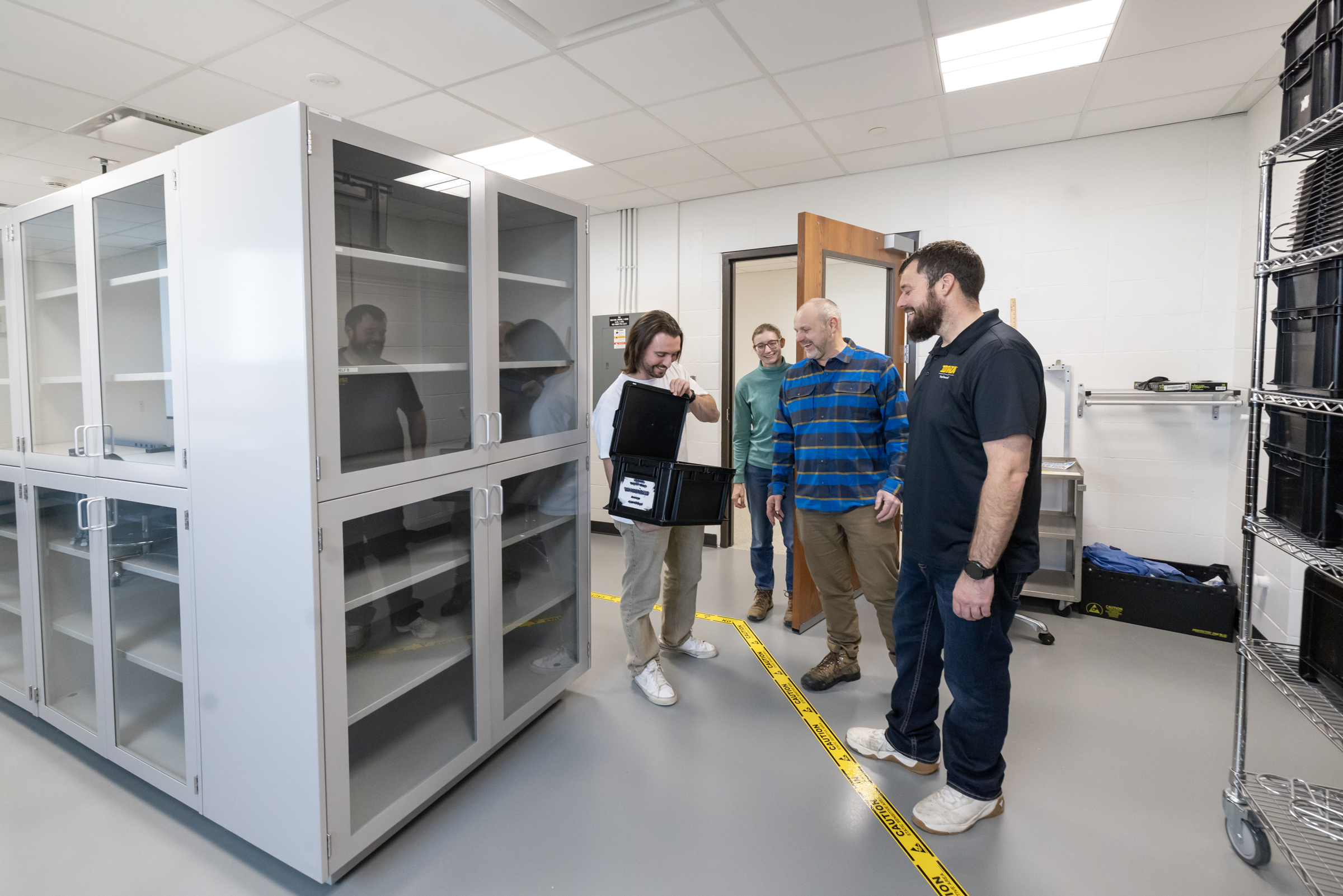
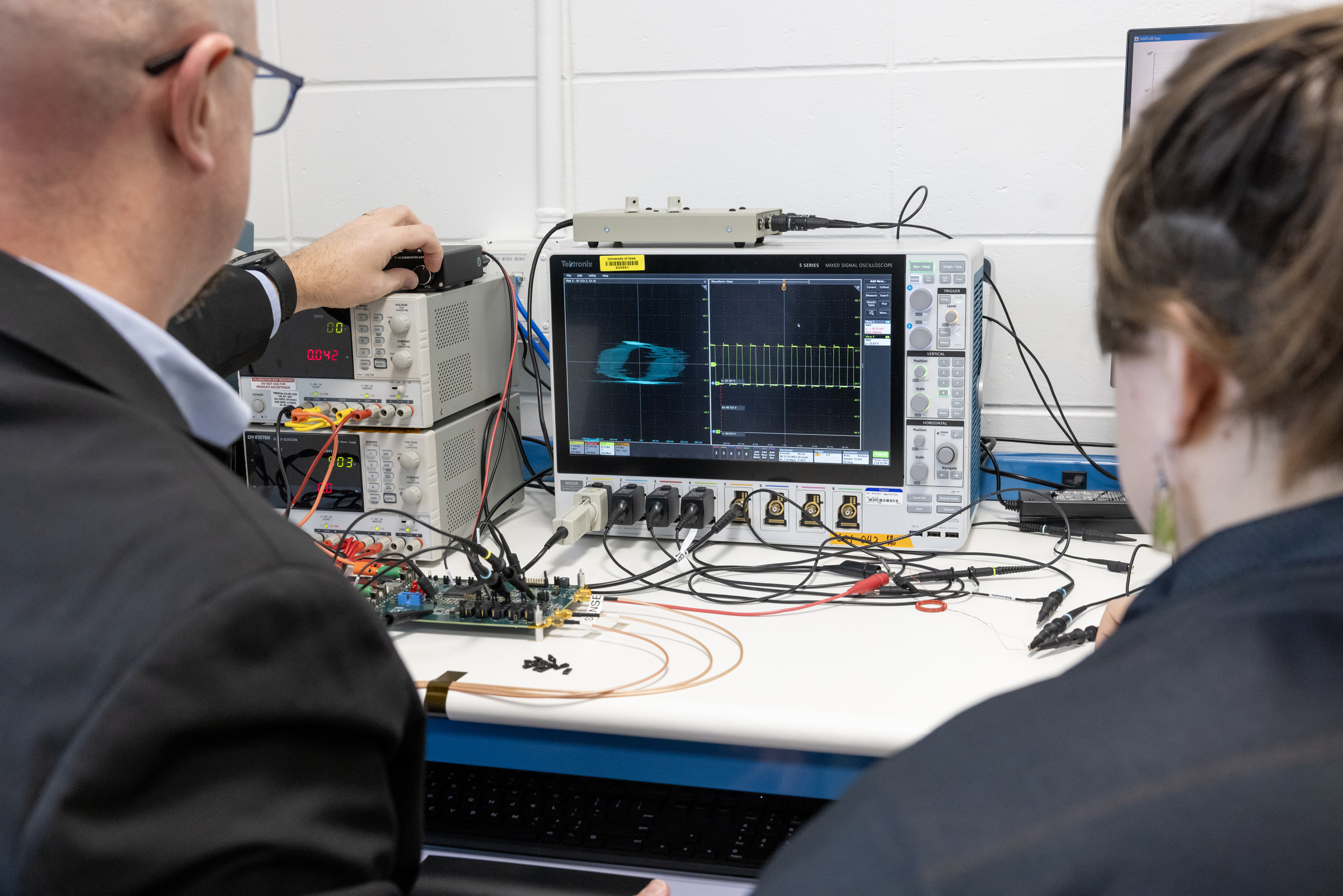
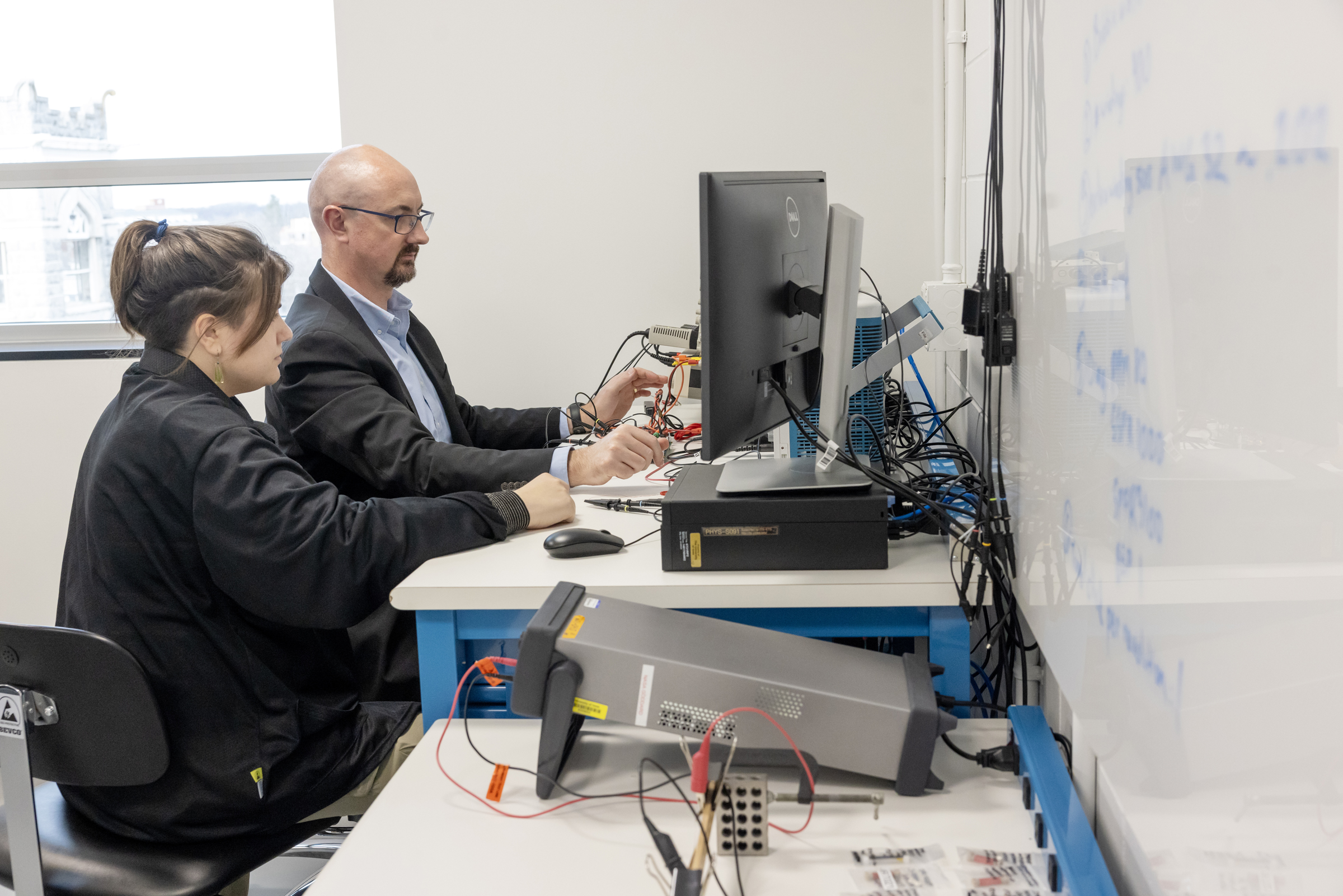
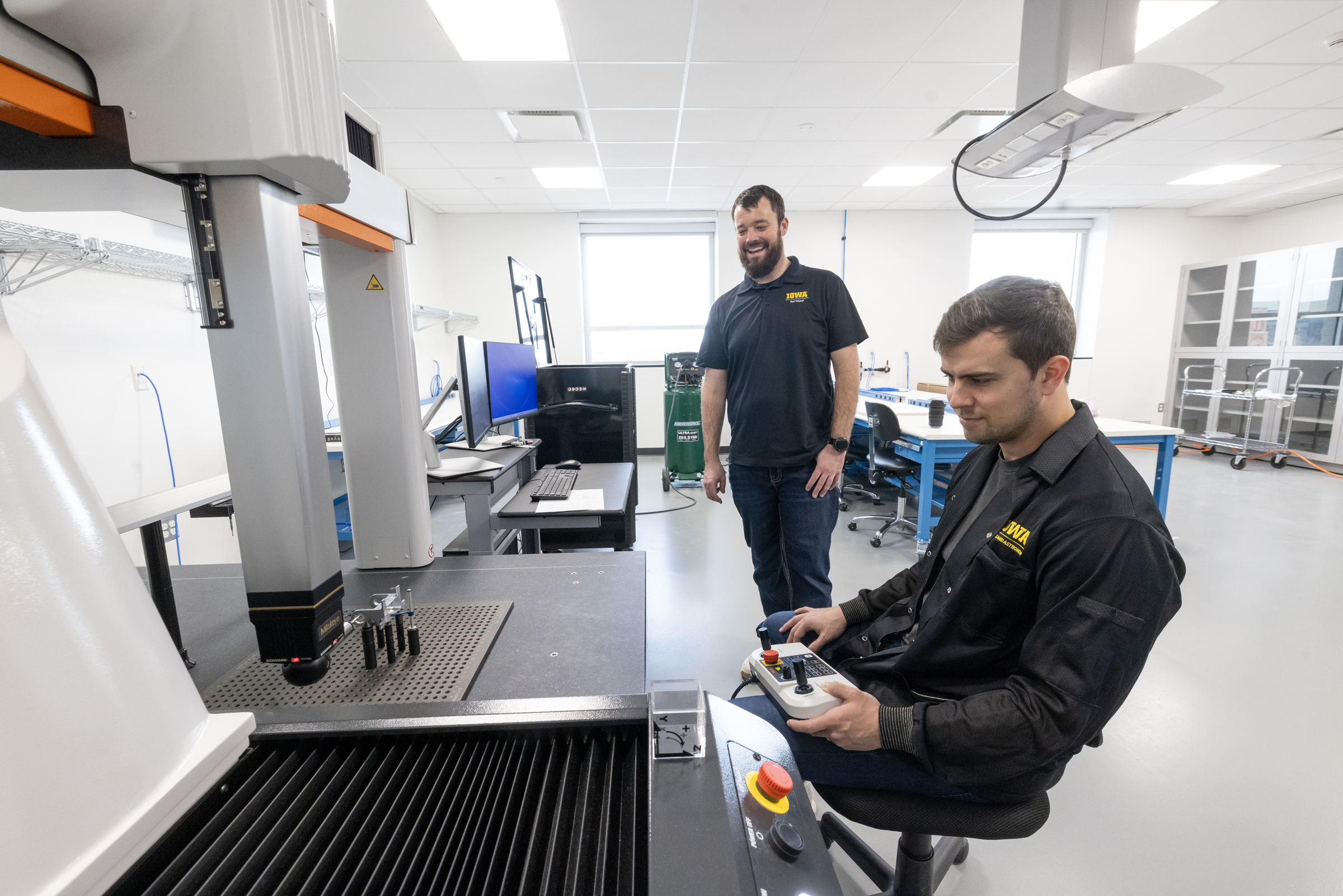
The ISL includes modern spaceflight instrumentation laboratories on the seventh floor of Van Allen Hall and other laboratories throughout the rest of the building, vibration testing in the basement, and a thermal and vacuum testing site on the first floor.
“We have a huge amount of capabilities to be able to design, build, test and integrate the spacecraft instruments that we need for upcoming missions, all within Van Allen Hall, within the University of Iowa,” Howes said.
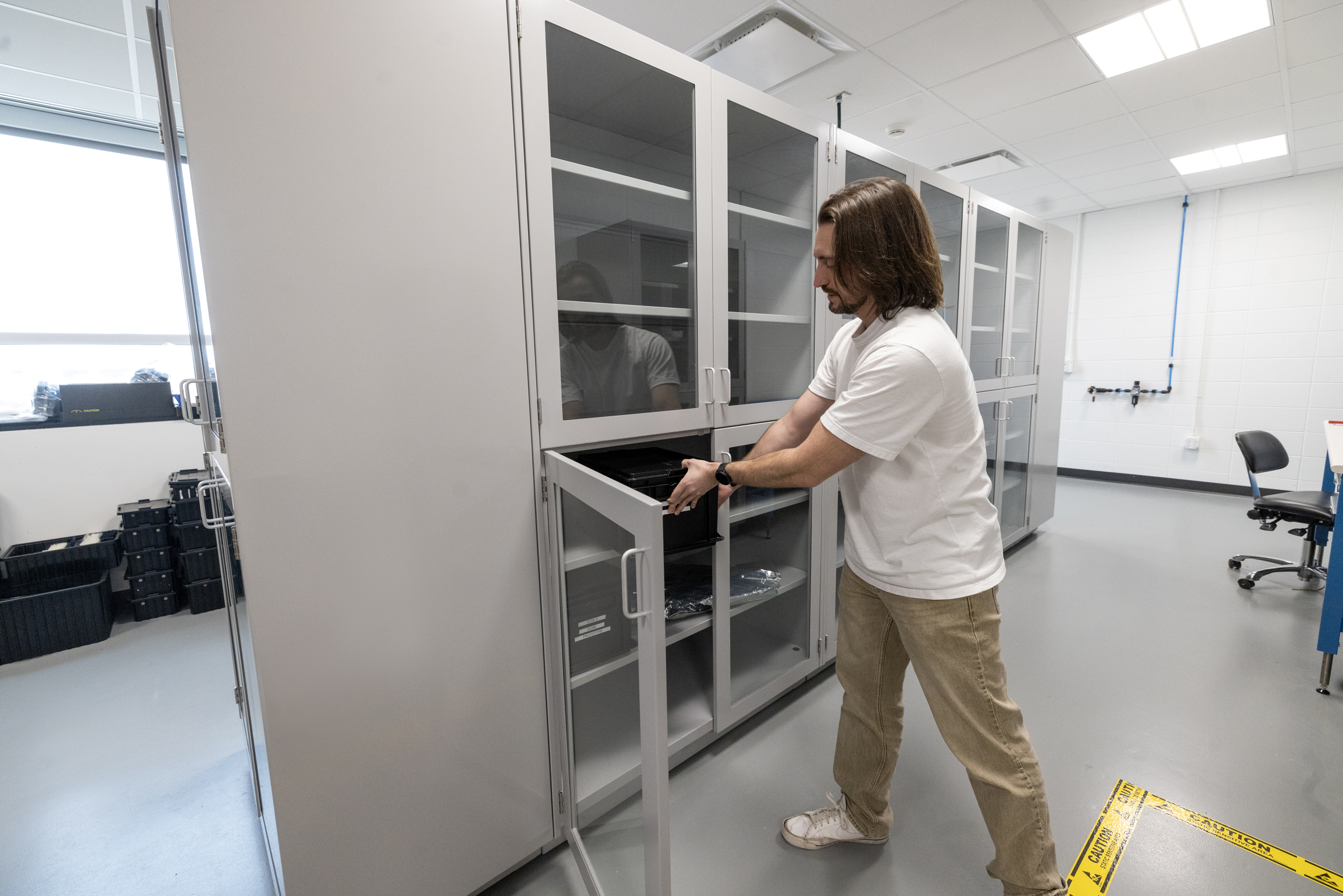
The lab will also offer specialized testing for magnetic measurement instruments and clean room spaces for instruments with strict contamination requirements.
The specialized facilities will allow for several internal and external projects, including lunar landing programs, small satellite programs, and planetary missions.
They are also open to exploring commercial partnerships to help companies develop mechanical space-ready instrument parts and do some design work.
“Our goal is to be able to lead these efforts, because that's really where Iowa excels, and that's the direction that we want to move to maintain our leadership in the field of space exploration,” Howes said.
Howes said the development of the laboratory cements the University of Iowa’s place as a national and international player in the scientific exploration of space.
“One might expect that we don't have as big of a footprint there, but in fact, we really do,” he said. “We are at the cutting edge of what is going on in space exploration and understanding the science of near-Earth space.”