By Bri Brands
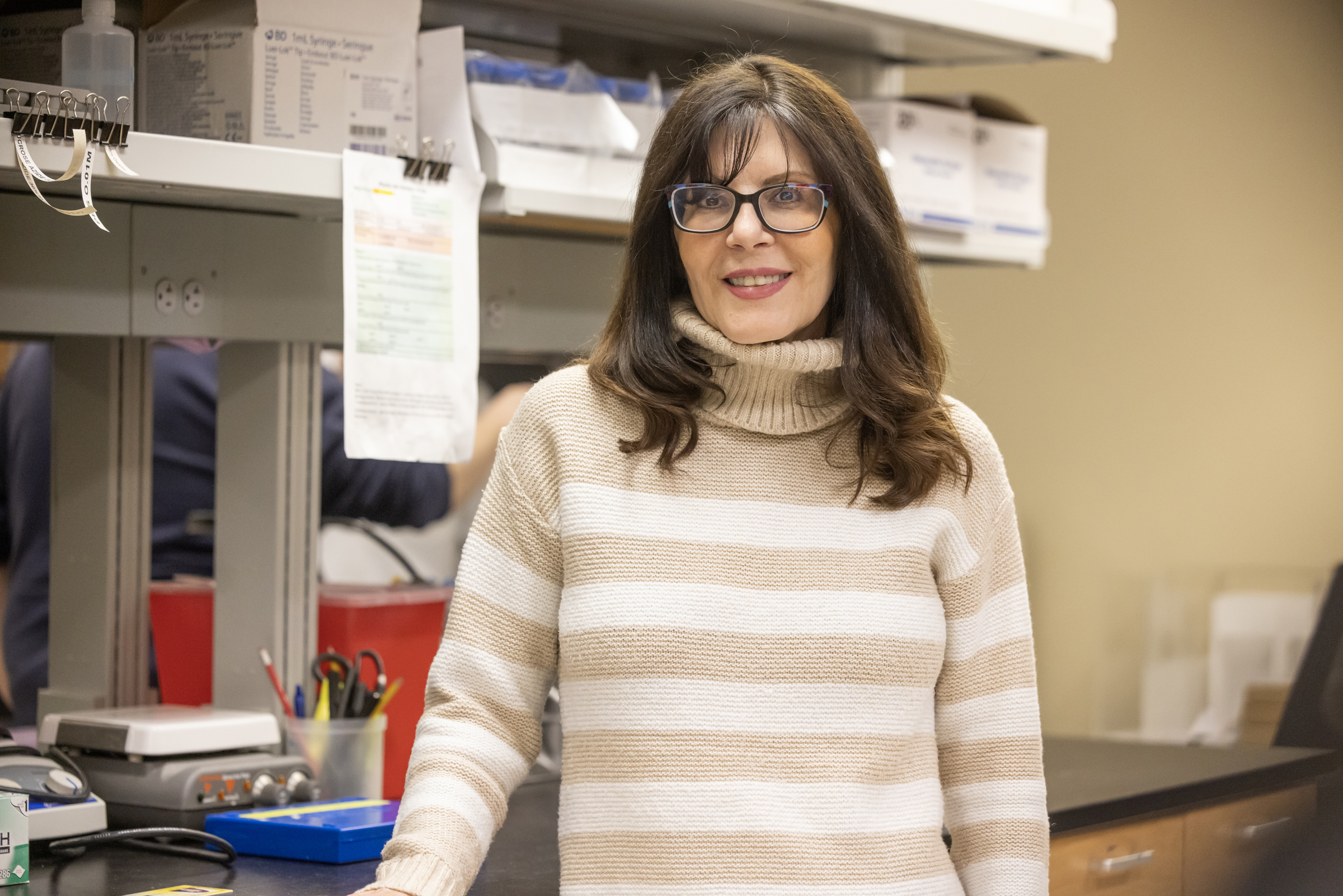
Inspired by the political atmosphere in Argentina while she was growing up, Isabel Muzzio, Ronnie Ketchell Professor in the Department of Psychological and Brain Sciences, has shaped her career around her interest in memory.

After moving to the United States for college, Muzzio began her undergraduate research at the University of Massachusetts, studying how memory works in toddlers.
Upon receiving her Bachelor of Science in psychology, she then completed both her Master of Science and Ph.D at Rutgers University, where she investigated whether memories in human infants could be modified, and how memories are stored.
“The questions that I have been interested in have always been the same: how memories are stored, whether they can be modified, and what sustains memory consolidation over time,” she said. “But the approaches that I have been taking to answer those questions over the years have shifted.”
In her work as a postdoctoral fellow and associate researcher at Columbia University, Muzzio began the same work she continues to this day.
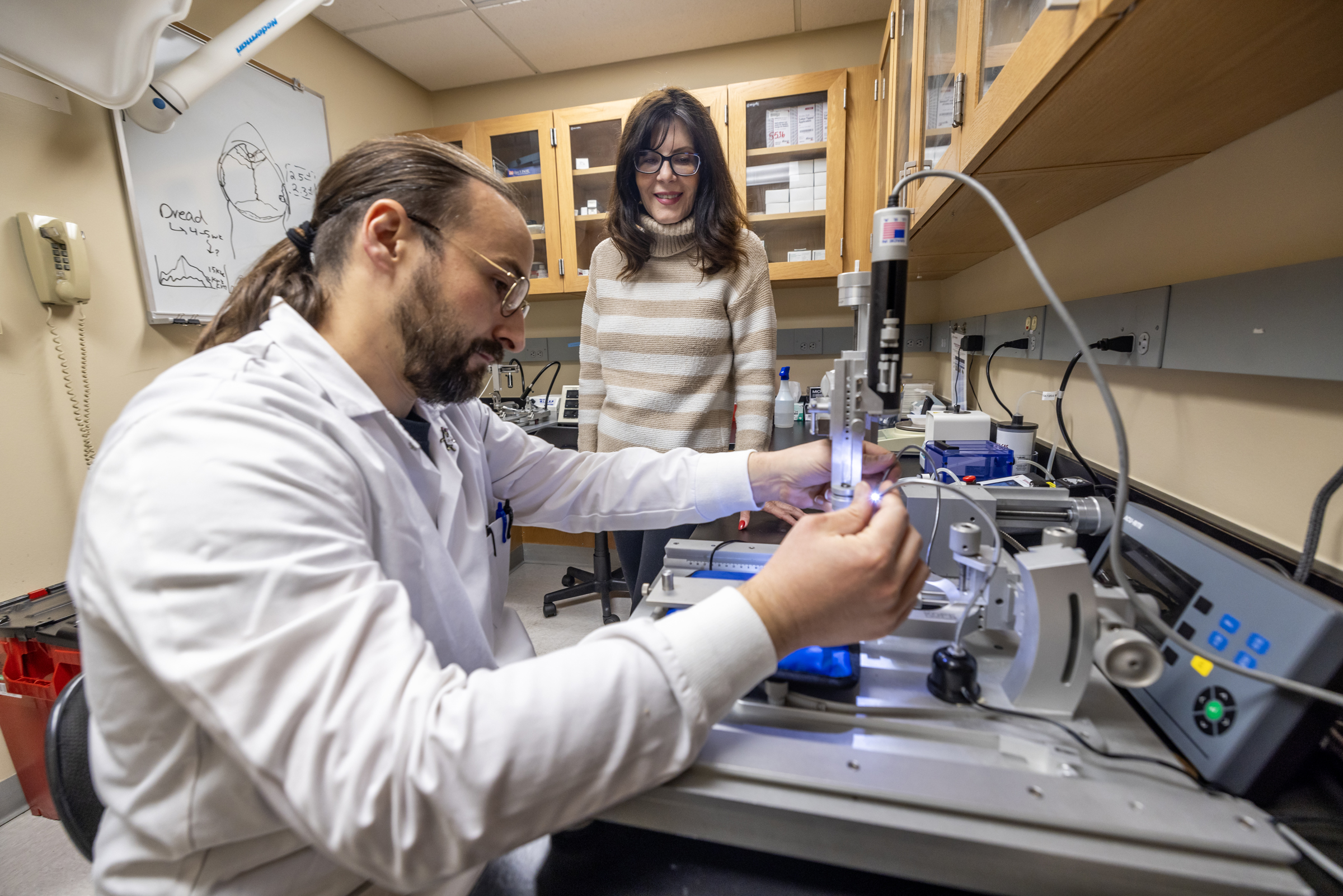
“I have been using different approaches to record freely moving animals and see how the neurons in the brain change as the animals learn and remember different tasks,” she said. “Once I started doing that, it became the passion of my life.”
Muzzio’s interest in memory stems from the political upheaval of South American countries under dictatorships during her youth. As she got older, she noticed different people looking back at the same event and having completely different recollections.
“There were people that denounced those events as terrible things, atrocities against humanity, and at the same time, there were other people that justified them and looked at the same event with different eyes,” she said. “I started thinking: Can memories be modified? Can the context in which you learn something make you interpret those events in different ways?”
Muzzio’s current interests focus on understanding traumatic memories—specifically, which aspects of these memories are preserved over time, and which components become interwoven with the core memory to modify later recollection.
When conducting her research, Muzzio always tries to be mindful of other perspectives. In her postdoctoral work, she was in a huge lab surrounded by a wide variety of different scientists—an experience that was formative to her current-day approach.
“The fact I was able to share my ideas and have all these years of hearing perspectives that were different from mine really broadened my idea about science and allowed me to think about problems in a much more diverse way,” she said.
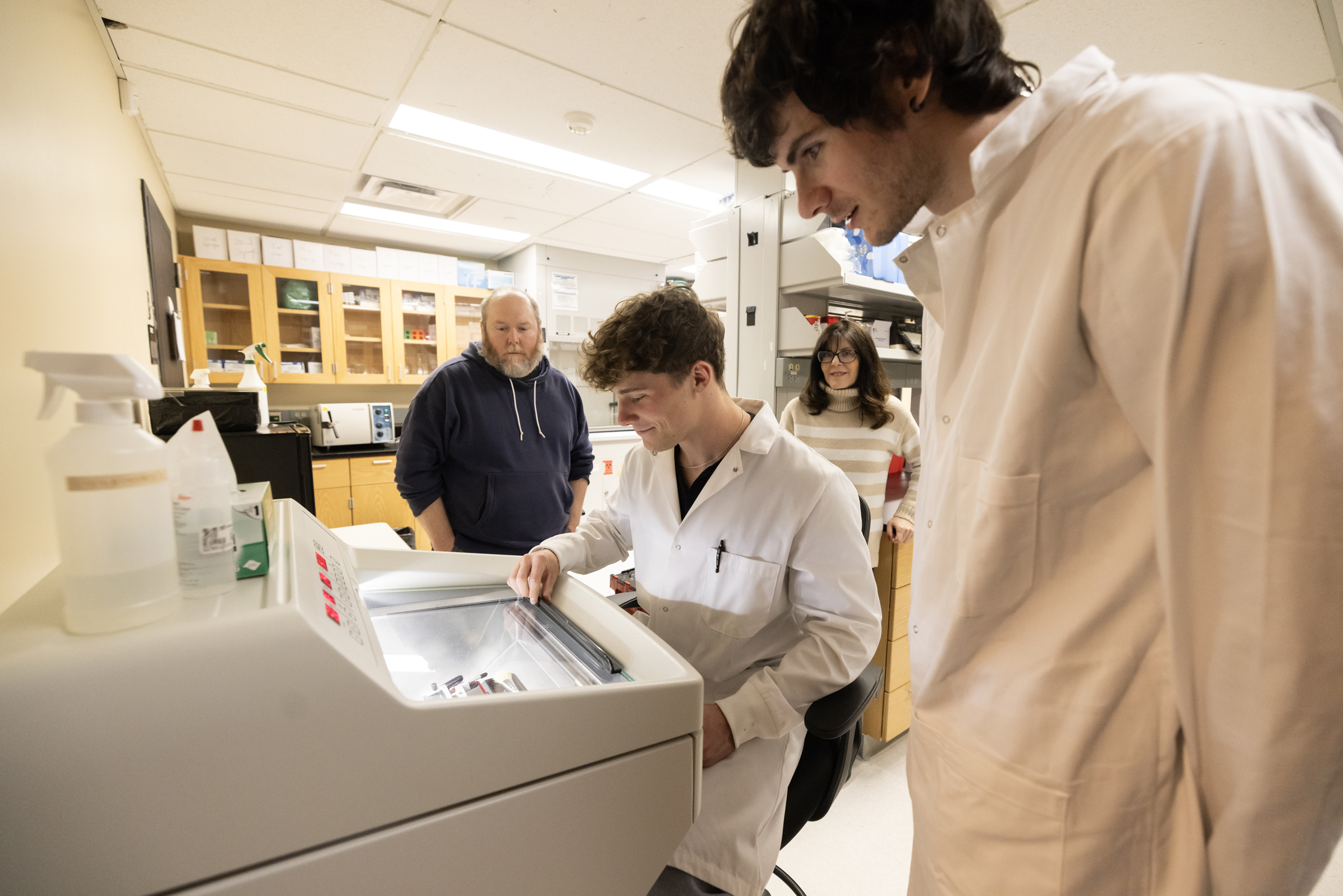
Since joining faculty at the University of Iowa, Muzzio said she has loved the collaborative, supportive atmosphere of the college and having the opportunity to work with other researchers on projects.

She is currently working alongside Carver College of Medicine faculty members Ted Abel and Chris Petkov to understand the long-term effects and mechanistic changes of brain stimulation in neurosurgery patients.
As she fosters the next generation of psychologists in the course she teaches, Muzzio said her biggest responsibility is to enhance their critical thinking and convey how the answers they seek are not always simple.
“I would love to continue teaching students to be open-minded; to look at facts and rich conclusions, think that there could be an alternative, and consider that alternative as a possible path,” she said.
Over the next five years, Muzzio wants to see herself continue to grow and answer complex questions.
“I feel that scientists are very privileged, because we have the opportunity to keep learning throughout our lives, to keep answering questions that are of primary interest to us, to keep teaching students, and to shape new scientists,” she said. “All of that is what I feel will be my legacy.”