By Bri Brands
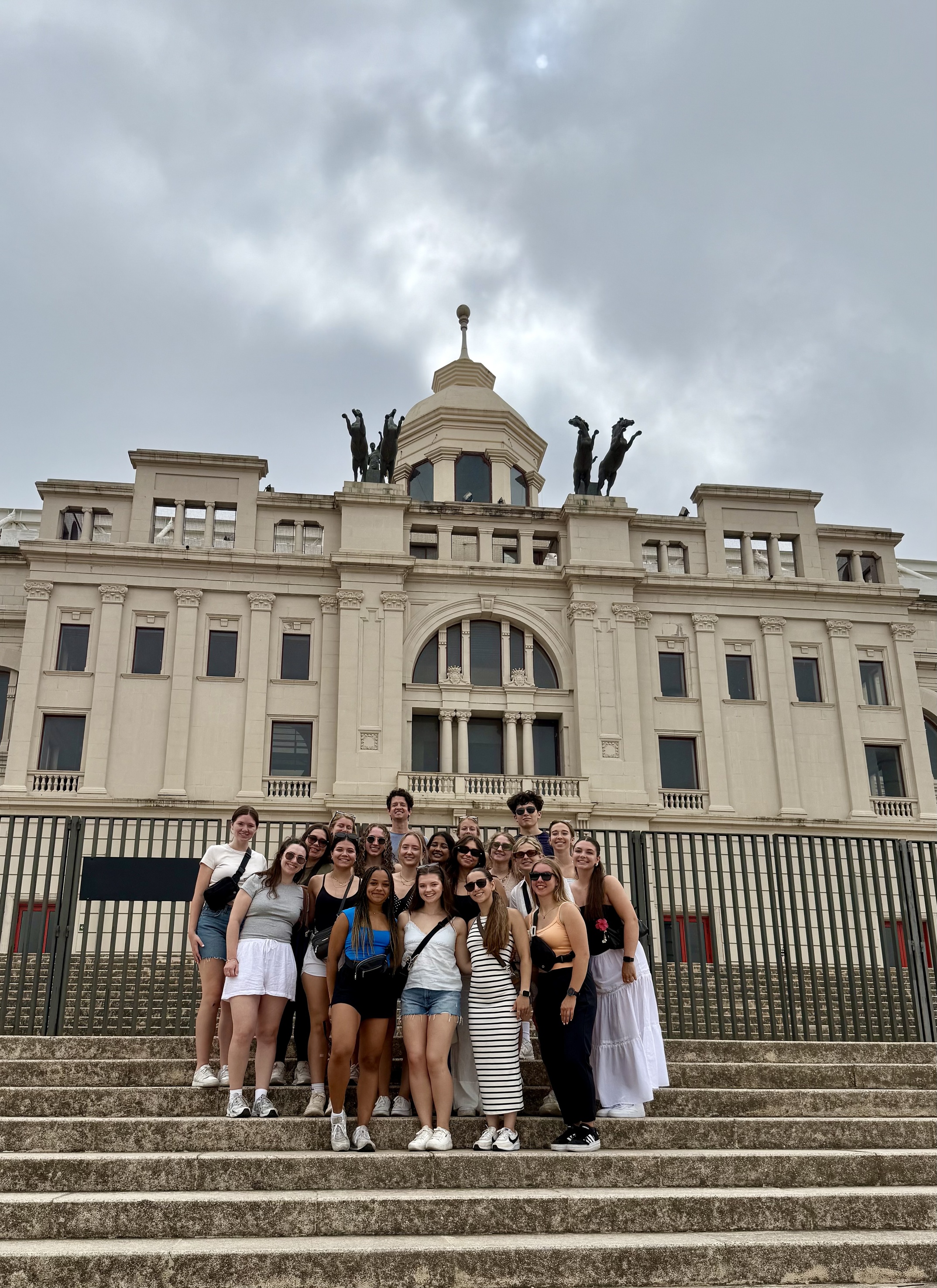
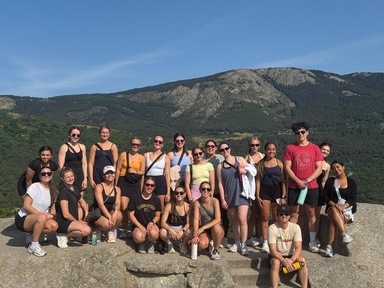
Twenty College of Liberal Arts and Sciences students from various departments embarked on a three-week trip to Spain, visiting some of the healthiest cities in the world and learning about the social determinants of health.
Lucas Carr, associate professor in the Department of Health, Sport, and Human Physiology, created the course as a way of expanding students’ worldviews.
“We teach classes in our department on the social determinants of health, but I wanted to look beyond the borders of the United States and start considering what’s happening in other places around the world,” Carr said.
As Carr was researching the healthiest cities in the world, he noticed cities in Spain, such as Madrid, Barcelona, and Valencia, consistently ranking at the top of every list.
Based on his research, Carr came up with the idea to lead a class of 20 students to these Spanish cities and learn about what makes people in those locations healthier, on average, than people in the United States.
Carr’s course was centered around a model created by County Health Rankings, a yearly assessment that looks at every county in the United States and measures the factors that influence local health outcomes. Factors include access to healthcare, social determinants such as education and access to basic needs, and environmental factors such as how a city is structured.
Cultural immersion drives student experience
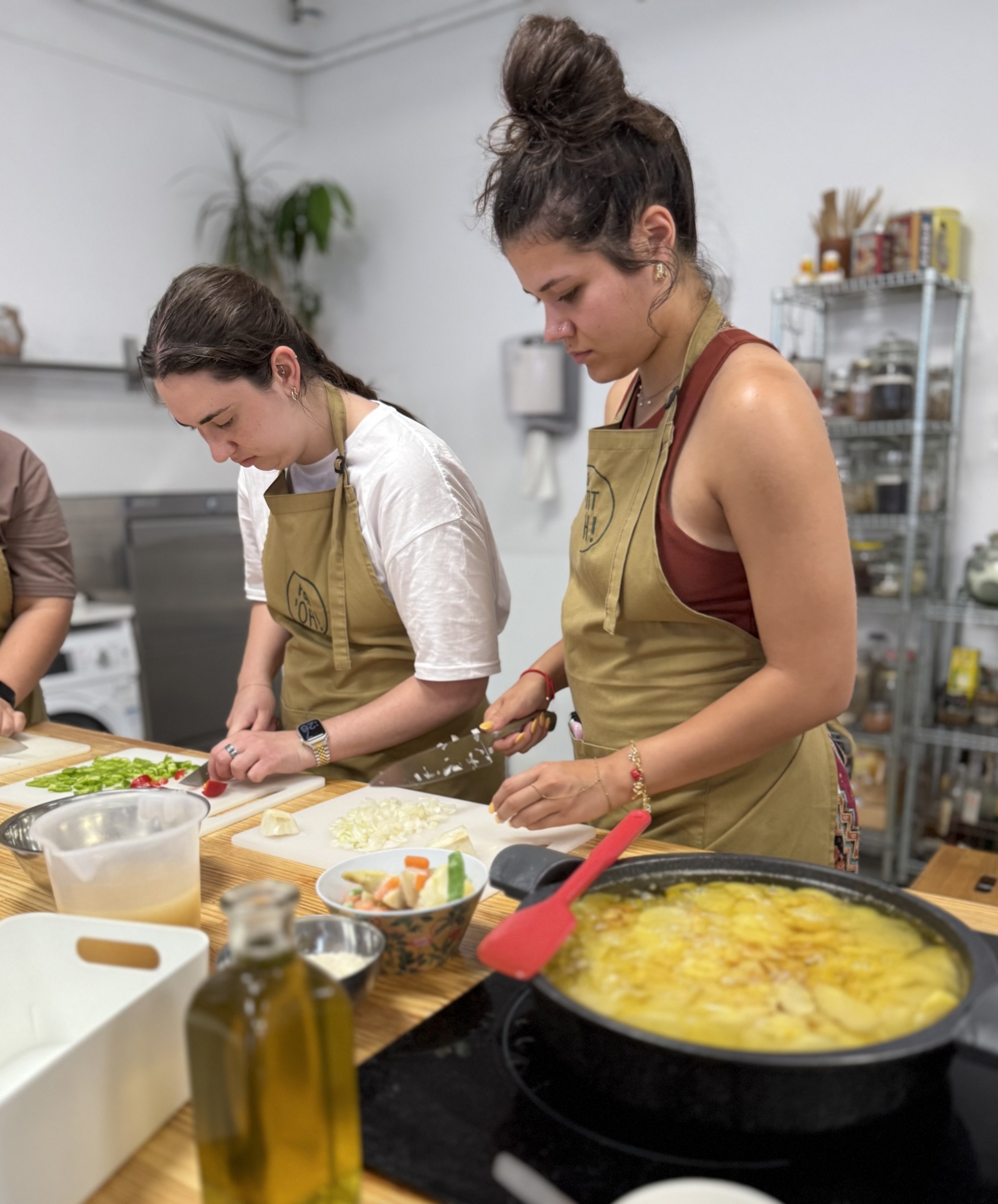
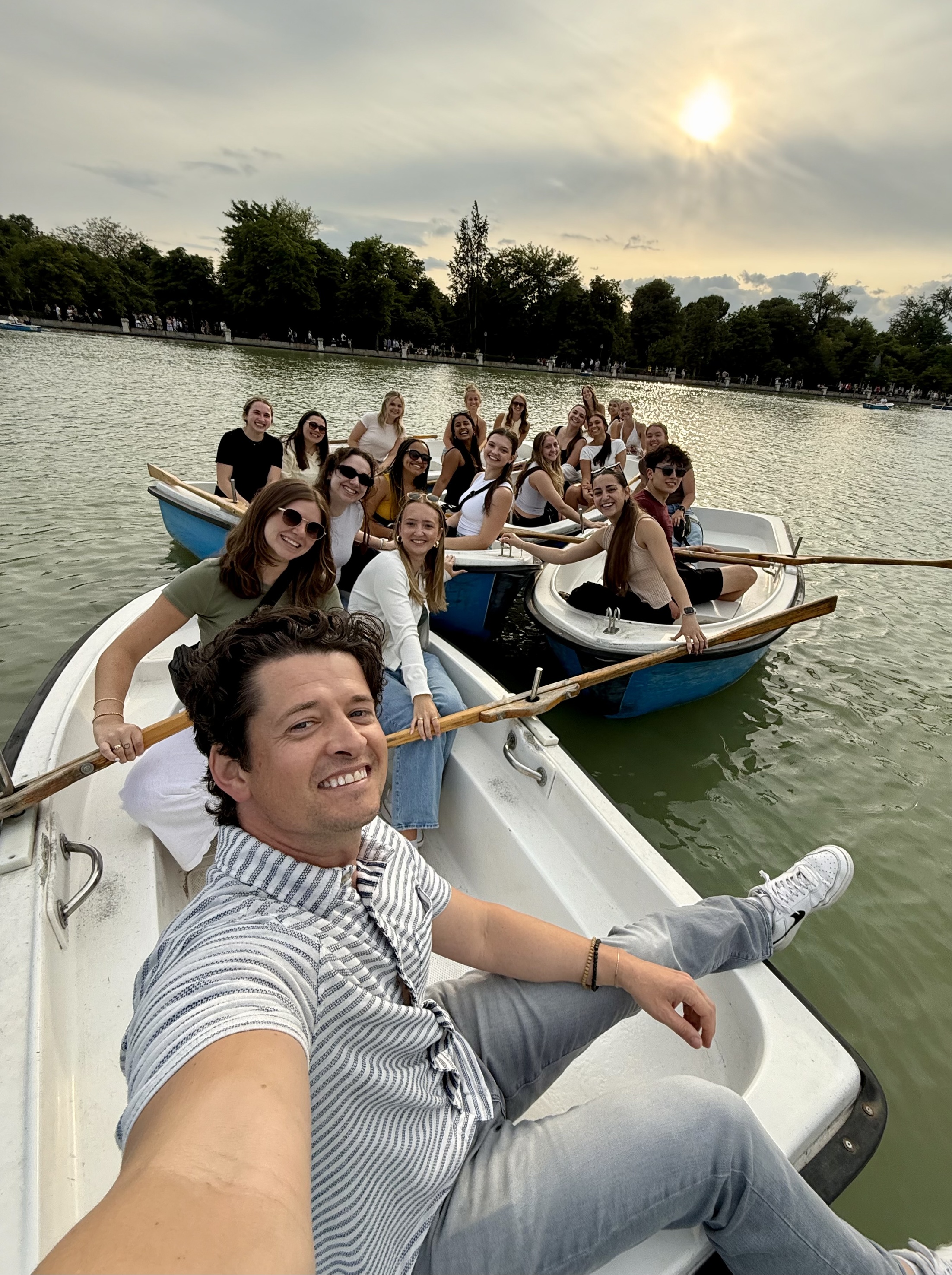
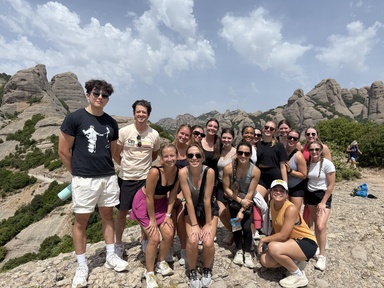
Students spent most of their time in Spain embarking field experiences, varying from healthcare facilities to exploring local parks to partaking in cooking classes.
Carr said the goal of the course was to focus on what drives health and well-being, and not how the cities help take care of people once they are sick.
“I try and broaden their perspective to think about how the city is designed and how that impacts health and well-being,” he said.
One way of broadening the students’ perspectives was to bring in a guest lecturer in Barcelona, who explained the laws and policies in place in Barcelona that lead to an overall healthier population, such as limiting noise pollution to help citizens get more sleep and increasing walkability in the city.
By being immersed in the Spanish culture, Carr watched his students learn how to navigate daily life in Spain—which led to some health and wellness benefits of their own.
“These students really leaned into trying as much Spanish food as they possibly could, and they get to experience how that has an effect on your body,” he said. “Three weeks is long enough to feel the effects of a completely different food system and how your body reacts to it.”
Students gain new understanding of health and wellness
Incoming third-year student Alyssa Engels, who is majoring in human physiology and minoring in Spanish, said the course was a once in a lifetime opportunity for her to mesh her love of health care and Spanish.
“Anyone can open a book or the internet to learn about a country's culture, but living in it is something special in and of itself,” she said.
Many of the students went into the course with the idea that health and wellness is what people get in the hospital, but learning about it from a new perspective helped students understand that it is more about keeping people living a healthy lifestyle before going to the hospital.
“Seeing things you didn’t know existed before changes your worldview and shapes how you view health and wellness,” Carr said.
While in Spain, Engels noticed how much the “do what makes you happy” motto plays into the Mediterranean lifestyle, from the jobs Spainards work to the foods they eat.
Unlike America, Spanish food does not consist of preservatives, dyes, or excess sugars, and their meat and produce options are more affordable, making for healthier, more energy-driven diets.
“All these factors and so much more play into why Spain is the healthiest country,” Engels said. “Getting to fully embrace myself into this culture made each day a new learning opportunity.”
Carr said some of his students have even changed their majors to public health after taking the course, as they realized they were interested in prevention and keeping people healthy before they got sick.
Instead of grading based on exams or papers, Carr has each student maintain a daily blog, keeping track of what they saw and learned each day and how that knowledge helped to shift their perspective on health and wellbeing. Carr also kept his own blog, documenting the experiences he had teaching the students while in a foreign country.
“The whole goal is for them to experience as much as they possibly can, engage, and really just focus on learning,” he said. “When you do that, they take away much more from this three-week experience than they do in a class that I would teach during a normal semester over the course of 16 weeks."